Chimney Repointing vs Waterproofing: Choosing the Right Protection for Seattle Masonry
Most homeowners assume that bricks and mortar are completely impervious to water, believing that once a chimney is built, it remains a solid barrier against the elements forever. However, masonry behaves more like a rigid sponge. It absorbs moisture from the air and rain, releasing it as conditions dry out. In the unique climate of the Pacific Northwest, this natural breathing process faces an uphill battle. With consistent drizzle and heavy winter downpours, local chimneys rarely get a chance to dry completely. When water enters these systems, choosing the correct restoration method is vital to protect the structural integrity of your home.
When dealing with moisture issues, the debate often comes down to chimney repointing vs waterproofing. Both processes serve critical, yet entirely different, functions. Applying a waterproof sealant to a structurally compromised chimney will trap moisture inside, accelerating decay. Conversely, repointing a chimney without addressing the porous nature of the brick leaves the fresh mortar vulnerable to the next big storm. Deciding which service your home needs requires understanding the difference between structural restoration and preventative shielding, especially when dealing with the realities of chimney repair seattle.
The Seattle Masonry Environment: Why Rain and Mortar Collide
The Puget Sound region presents a challenging environment for residential masonry. Unlike colder climates that experience long periods of deep freeze, or warmer climates that dry out quickly, Western Washington sits in a cycle of persistent, mild dampness punctuated by sudden near-freezing drops. This creates a highly active freeze-thaw dynamic.
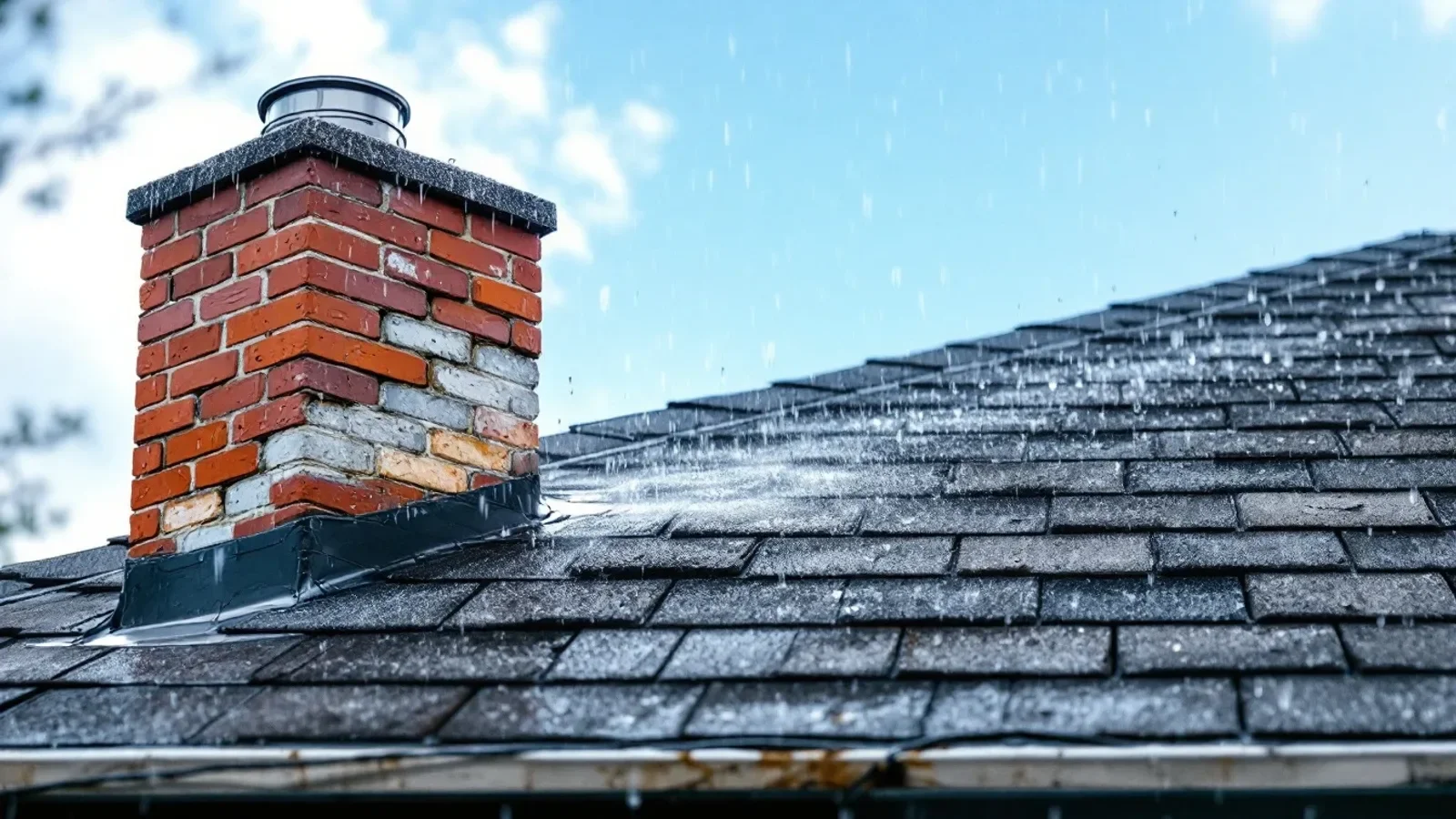
When liquid water penetrates the porous clay of a brick or the sandy compound of a mortar joint, it settles in the microscopic voids. When the temperature drops below freezing, even for just a few hours overnight, that water expands by roughly nine percent. This internal pressure microscopic fractures the binder material. Over several seasons, these tiny fractures grow into visible cracks, leading to crumbling joints, loose bricks, and interior leaks. Homes built during different eras of local development react to this cycle in distinct ways:
- Historic Homes (Pre-1950s): Many older homes in neighborhoods like Capitol Hill, Queen Anne, and Ballard feature historic brickwork laid with lime-based mortar. Lime mortar is highly breathable and flexible, but it is softer than modern mixtures. If a previous worker repaired these joints using modern Portland cement, the harder cement will crush the softer historic bricks during freeze-thaw cycles. These older systems require specialized care to preserve the original materials.
- Mid-Century and Modern Homes: Homes constructed from the late 1950s onward typically utilize harder Portland-based mortars. While physically stronger, these structures are less flexible and can crack under minor seismic shifts or settling, creating direct pathways for rainwater.
- Local Weather Patterns: Seattle averages over 150 rainy days per year. Because the rain is often a light, persistent drizzle rather than a brief tropical downpour, masonry remains damp for weeks at a time. Without dry periods, the water moves deeper into the chimney core, eventually showing up as water stains on interior walls or dampness in the fireplace.
Option 1: Chimney Repointing (Structural Restoration)
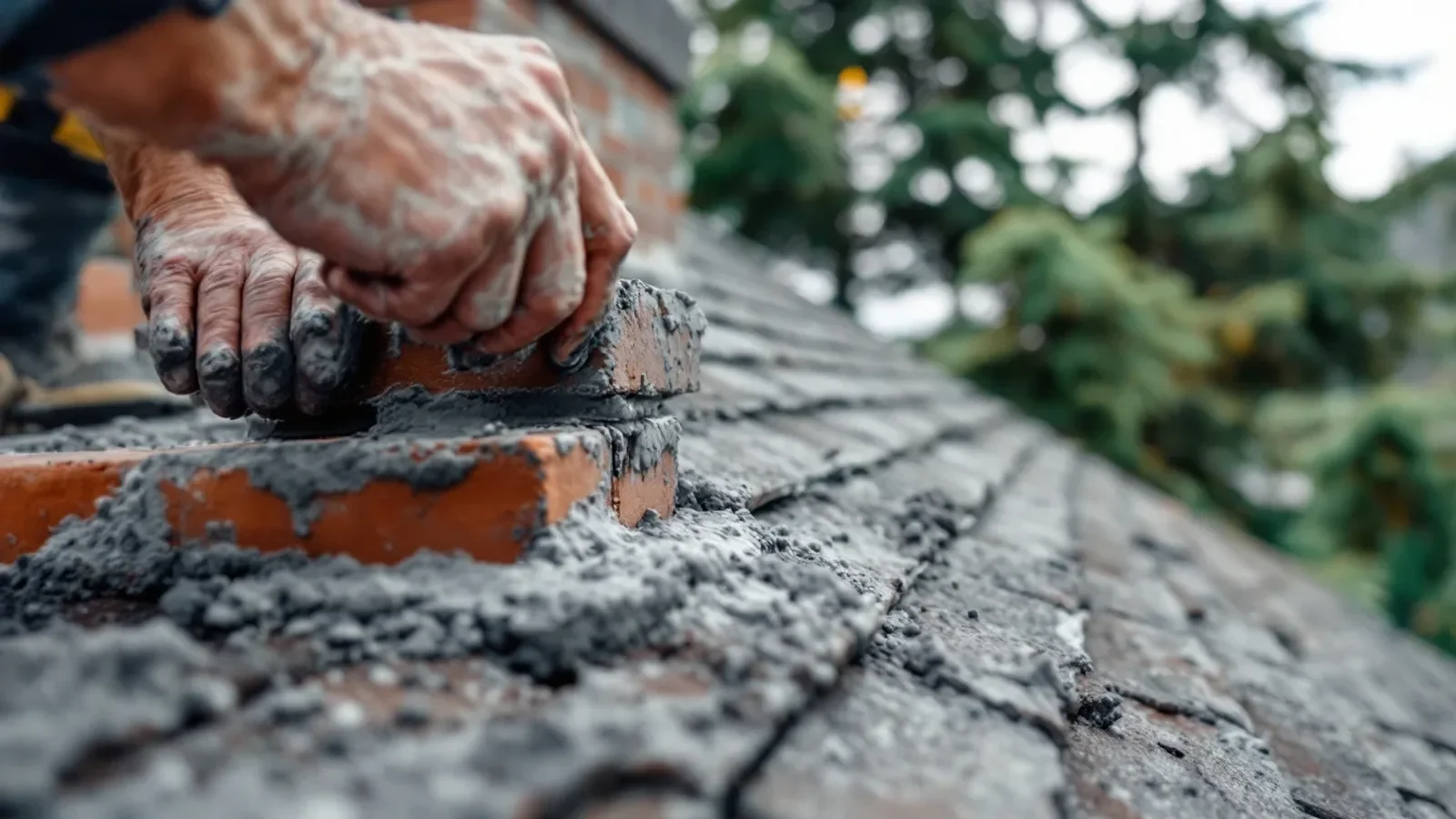
Chimney repointing, often referred to simply as pointing or tuckpointing by homeowners, is the physical process of removing damaged, crumbling mortar from the joints between bricks and replacing it with fresh, color-matched mortar. This is a corrective, structural repair designed to restore the physical stability of the chimney column.
The Repointing Process
True repointing is a meticulous, multi-step craft that requires precision. It is not merely smearing new mortar over old, cracked joints. The proper physical process includes:
- Preparation and Assessment: The masonry must be inspected to determine the strength and composition of the existing mortar so the replacement material matches in hardness and flexibility.
- Raking the Joints: Technicians use specialized diamond-blade saws, pneumatic chisels, or hand tools to carve out the damaged mortar. This must be done to a uniform depth, typically one-half to three-quarters of an inch, without nicking or damaging the surrounding bricks.
- Cleaning and Dampening: All dust and loose debris are brushed or vacuumed out of the open joints. The brickwork is then lightly misted with water. This prevents the dry, thirsty bricks from sucking the moisture out of the fresh mortar too quickly, which would cause the new mix to shrink and crack.
- Mortar Application: Fresh mortar is packed tightly into the joint channels in thin layers. Each layer is allowed to set slightly before the next is applied to ensure there are no hollow air pockets behind the joint.
- Tooling: The final layer is shaped with a jointing tool to match the original style (such as concave or grapevine joints). This tooling compresses the mortar surface, creating a tight seal that sheds water efficiently.
Signs Your Chimney Needs Repointing
You can often spot the need for repointing from the ground or during a basic home inspection. Look for soft, sandy mortar that crumbles when scraped with a flathead screwdriver. If you notice deep, open gaps where the mortar has fallen out completely, or if individual bricks are loose or shifting, the structural integrity of the chimney is compromised. Ignoring these symptoms can lead to leaning chimneys or falling bricks, which pose a significant safety hazard. To understand how these issues present themselves before they turn into emergencies, read our guide on signs of Seattle chimney water damage.
Option 2: Chimney Waterproofing (Preventative Shielding)
If you want it handled correctly the first time, consider professional chimney repair in Seattle.
Chimney waterproofing is a preventative, protective treatment applied to healthy or newly repaired masonry. It acts as an invisible shield that prevents external liquid water from soaking into the bricks while still allowing internal moisture vapor to escape. It is not a structural fix and cannot hold a crumbling chimney together.
How Modern Waterproofing Agents Work
Historically, people tried to seal chimneys with silicone-based paints or heavy sealants. These products created a solid plastic barrier over the brick. While they kept rainwater out, they also trapped rising moisture from the fireplace or household humidity inside the chimney. When that trapped water froze, it popped the faces right off the bricks, a destructive process known as spalling.
Modern professional waterproofing relies on vapor-permeable, silane-siloxane formulas. These penetrating sealers do not form a film on the surface. Instead, they travel deep into the pores of the brick and mortar, bonding chemically with the minerals. They alter the surface tension of the pores, causing liquid water to bead up and roll off the exterior surface. However, because they do not plug the microscopic pathways completely, water vapor (gas) can still pass through from the inside out, allowing the chimney to breathe naturally.
The Waterproofing Process
For waterproofing to work effectively, the application must follow strict guidelines:
- Thorough Cleaning: The chimney must be washed to remove soot, carbon buildup, biological growth like moss or algae, and efflorescence (white, powdery salt stains). If sealed over, these contaminants will prevent the water repellent from bonding and can cause permanent staining.
- Drying Phase: The brickwork must dry completely for several days. Applying sealer to wet bricks traps moisture inside and ruins the chemical reaction.
- Protection of Non-Masonry Elements: Roof shingles, metal flashing, and nearby windows must be covered, as waterproofing agents can stain or damage non-porous surfaces.
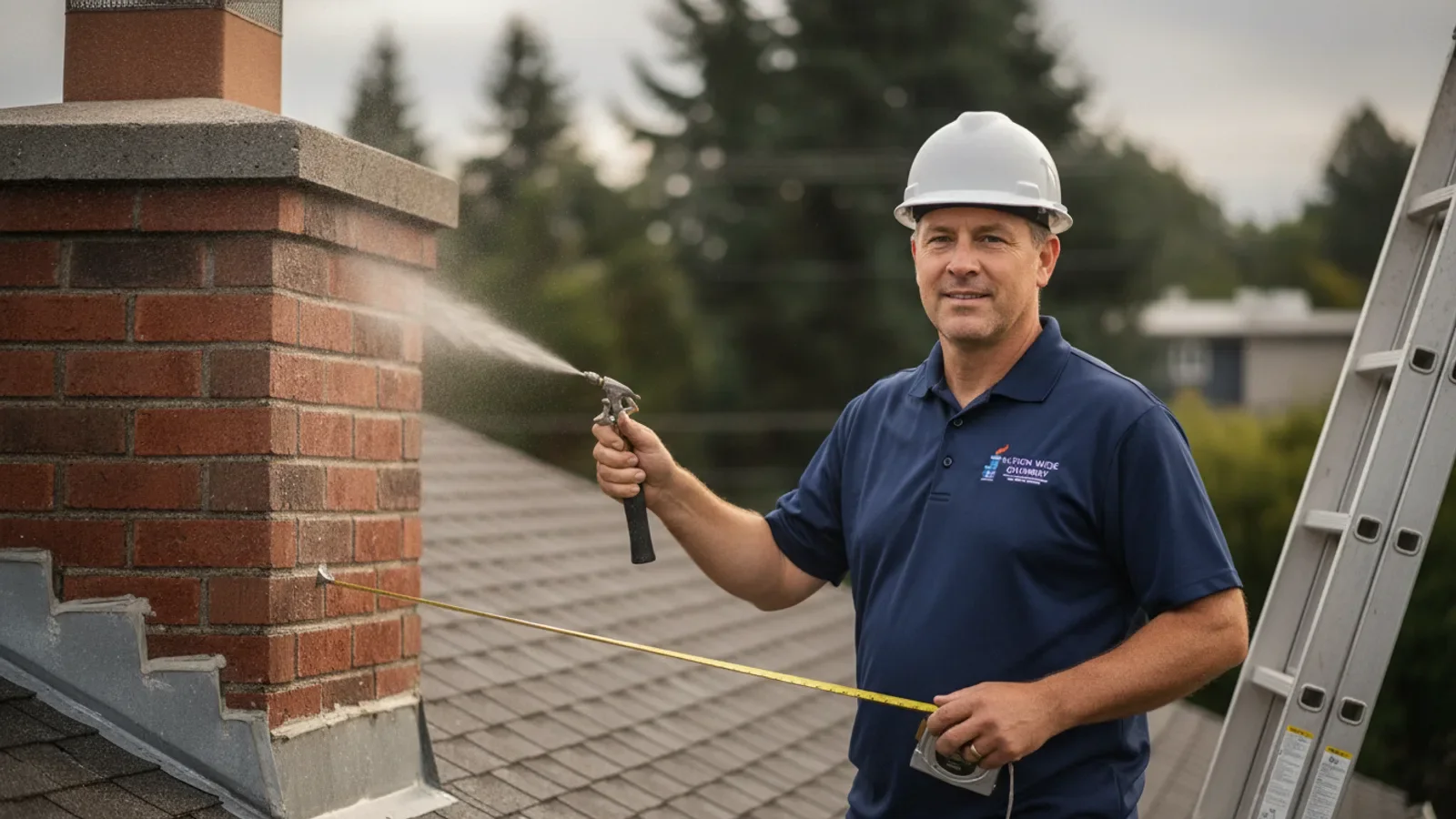
- Uniform Spray Application: The formula is applied using low-pressure sprayers, working from the bottom up to ensure even saturation. The masonry must absorb the compound deeply to provide long-lasting protection.
Signs Your Chimney Needs Waterproofing
Waterproofing is ideal if your chimney is structurally sound but shows signs of high moisture absorption. If the exterior bricks turn dark and stay damp long after the rain stops, or if you notice white, chalky salts blooming on the exterior brickwork, the masonry is absorbing excessive water. It is also highly recommended as a final protective step immediately after completing repointing repairs.
Direct Comparison: Chimney Repointing vs Waterproofing
Understanding where these two services overlap and where they differ helps you make an informed decision for your home. While one restores physical substance, the other provides invisible protection.
| Feature / Criterion | Chimney Repointing | Chimney Waterproofing |
|---|---|---|
| Primary Purpose | Restores physical strength and replaces missing mortar. | Prevents liquid water absorption while allowing vapor escape. |
| Structural Status | Corrective repair for physically damaged or crumbling masonry. | Preventative maintenance for structurally sound masonry. |
| Application Material | Fresh mortar mix matched to the historic or modern brick profile. | Vapor-permeable, silane-siloxane penetrating sealants. |
| Preparation Required | Grinding or chiseling out old mortar joints to a clean depth. | Deep cleaning, moss removal, and complete drying of the surface. |
| Typical Lifespan | Can last several decades when executed with high-quality mortar. | Typically requires reapplication every five to ten years depending on exposure. |
Which Is Right for Seattle Homes?
Many Seattle homeowners rely on expert chimney repair in Seattle for exactly this.
Choosing between these two options is rarely an “either/or” decision. Instead, it is about identifying where your chimney is in its lifecycle and applying the appropriate treatment at the right time.
When to Choose Repointing: If your chimney has visible cracks, loose bricks, or mortar that you can easily scrape away with a hand tool, you must repoint. Waterproofing a chimney in this state is a waste of resources; the water repellent cannot bridge open cracks or hold shifting masonry together. The structural framework must be restored first.
When to Choose Waterproofing: If your chimney is structurally solid with intact mortar joints, but you want to shield it from the upcoming rainy season, waterproofing is the correct preventative step. It keeps the moisture out of the brick pores, significantly slowing down the wear and tear that leads to future mortar erosion.
The Ideal Combined Solution: For the ultimate defense against the Pacific Northwest weather, the two services should be used together. Once a crumbling chimney has been safely repointed and the new mortar has cured completely (usually about 28 days), applying a high-quality, breathable waterproofing treatment seals in the fresh repairs. This combination stops the freeze-thaw cycle from attacking the new joint material, extending the lifespan of your investment for years to come. When planning these projects, it is also helpful to review what to ask your service provider, which you can explore in our guide on questions to ask a Seattle chimney contractor.
Frequently Asked Questions
Can I waterproof a chimney that has cracked mortar?
No, you should never apply waterproofing over cracked or missing mortar. The liquid repellent is designed to coat pores, not fill structural cracks or physical gaps, meaning water will still find its way into those openings and become trapped behind the sealer.
How long does chimney repointing take to complete?
The timeline depends on the chimney’s size and the extent of the damage, but most residential projects take between two to four days of on-site work. This allows time for meticulous joint preparation, careful mortar placement, and clean-up.
Will waterproofing change the appearance of my brick chimney?
Professional-grade silane-siloxane waterproofing agents are completely invisible once dry and will not change the color, texture, or sheen of your brickwork. They do not leave a glossy or “wet” look, preserving the natural historic appearance of your home.
How often should a Seattle chimney be waterproofed?
Due to our consistent wet weather and heavy exposure, chimneys in the Puget Sound area generally benefit from a fresh application of breathable water repellent every five to ten years, depending on how much direct wind and rain the chimney faces.
Protect Your Home From Pacific Northwest Moisture
Keeping your masonry dry is the single most important factor in avoiding expensive structural rebuilds. Whether your home requires immediate joint restoration or a preventative shield against the winter rains, taking action before minor dampness turns into an interior leak is key. To ensure your fireplace system is safe, stable, and ready to handle whatever the Washington sky throws at it, consider scheduling a professional evaluation of your seattle chimney masonry with our experienced local team today.