Recognizing the Signs of Chimney Water Damage in Seattle Homes
How do you know if your chimney is absorbing water before it starts leaking into your living room? For homeowners in the Pacific Northwest, this is one of the most critical maintenance questions you can ask. Because our climate is characterized by months of persistent, light rainfall rather than sudden downpours, masonry saturation happens slowly and silently. By the time a visible drip reaches your hearth, water has likely been traveling through your chimney structure for months, degrading your bricks and mortar from the inside out.
Recognizing the early signs of chimney water damage is the key to preventing structural failure. Identifying these subtle warnings early allows you to address localized issues before they evolve into major safety hazards. Let us explore how wet weather affects our local masonry and what warning signs you should look for on your property.
The Seattle Climate and the Freeze-Thaw Threat to Masonry
To understand why local chimneys are so susceptible to water damage, we must look at the specific environmental conditions of the Puget Sound region. Seattle is famous for its consistent winter dampness, but the real damage occurs when that moisture meets our shifting winter temperatures. Masonry materials like brick, concrete, and mortar are highly porous, acting like dense sponges that soak up water during our prolonged rainy weeks.
When temperatures drop below freezing, the water trapped inside these porous materials expands by about nine percent. This expansion exerts immense internal pressure on the brick and mortar. When the weather warms up, the ice melts, leaving behind slightly larger microscopic pathways for even more water to enter during the next rainfall. This cycle of freezing and thawing, repeated dozens of times throughout a single winter, gradually breaks down the structural integrity of the entire chimney system.
Early Indicator: Spalling Bricks and Flaking Masonry
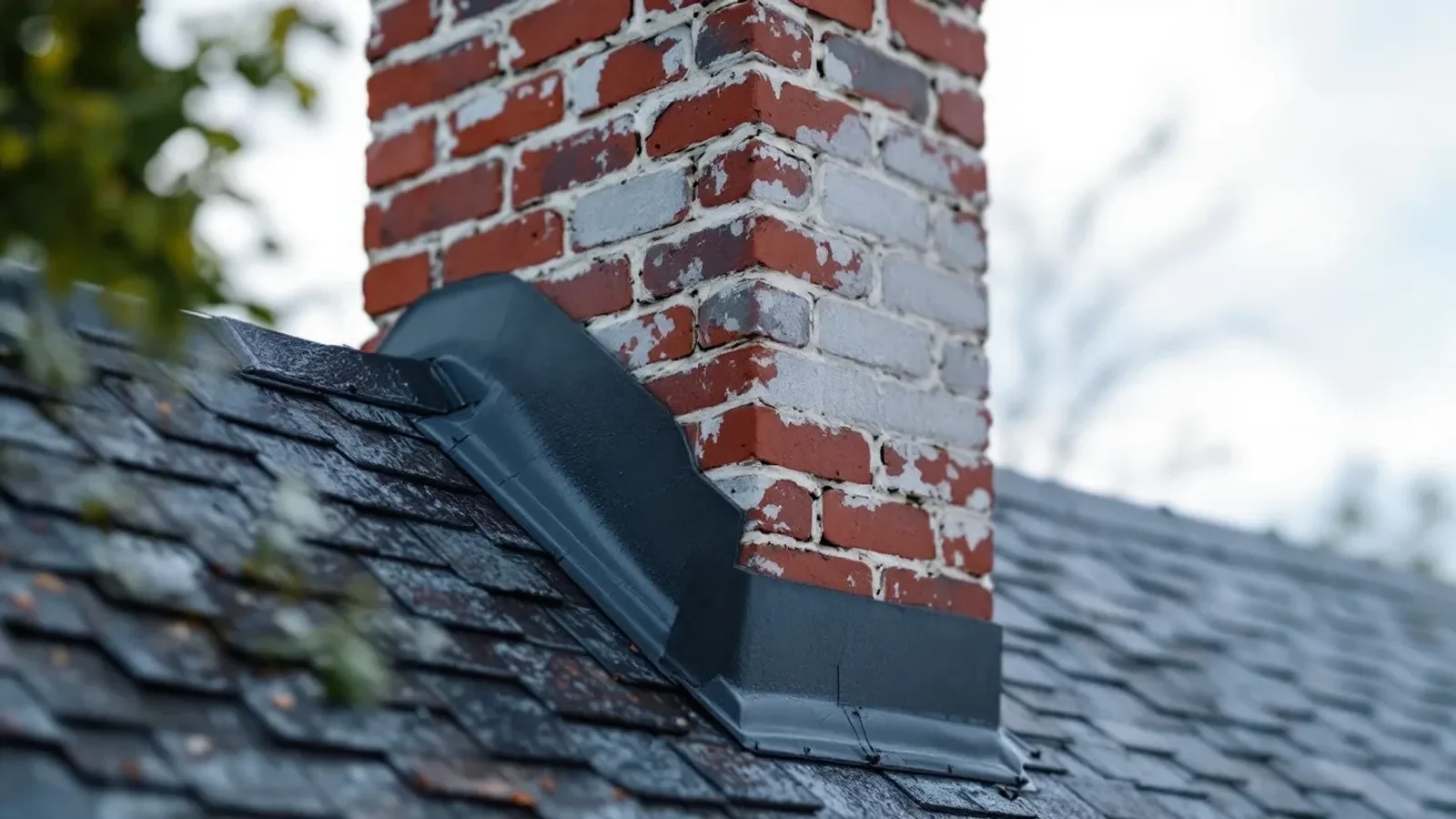
One of the most common and visible signs of advanced water saturation is spalling. Spalling occurs when the internal pressure from freeze-thaw cycles becomes so great that the outer face of the brick pops, peels, or crumbles away. You might notice red dust, small chips of clay, or entire chunks of brick debris littering your roofline, gutters, or the ground around your home.
If you want it handled correctly the first time, consider professional chimney repair in Seattle.
Spalling is not merely a cosmetic issue. Once the hard outer glaze of a brick is lost, the softer interior clay is exposed directly to the elements, accelerating the rate of water absorption. If left unaddressed, spalling can spread from brick to brick, eventually weakening the structural stability of the chimney. If you notice these fragments on your shingles, it is a clear sign that the masonry is failing to shed water properly.
The Warning of White, Powdery Stains: Efflorescence
Have you noticed a white, powdery residue coating the exterior of your chimney? This chalky substance is known as efflorescence. While it is often mistaken for mold or paint overspray, it is actually a deposit of natural mineral salts left behind on the surface of the brickwork.
When water penetrates deep into your masonry, it dissolves the soluble salts naturally present in the clay and mortar. As the chimney warms up and the moisture evaporates outward, it carries these dissolved salts to the surface. The water evaporates into the air, leaving the salt crystals behind. While efflorescence itself does not damage the brick, it is a highly visible warning sign that a significant volume of water is moving through your chimney structure.
Crumbling Mortar Joints and Receding Seams
Mortar is designed to be sacrificial, meaning it is softer than the brick it holds together so that it can accommodate natural thermal movement. However, constant exposure to damp conditions causes mortar to soften, crack, and erode. This process, often called mortar rot, leaves your bricks unsupported and allows water to pour directly into the interior cavity of the chimney.
Take a close look at the joints between your bricks. If the mortar looks pitted, sandy, or has receded deep into the joints, it is no longer keeping water out. Gently scratching a suspicious joint with a flat-head screwdriver can reveal the truth; if the mortar crumbles away like dry sand, the joints have failed. Resolving this issue early prevents water from reaching the interior flue liner and the structural framing of your home.
Many Seattle homeowners rely on expert chimney repair in Seattle for exactly this.
Interior Clues: Damp Fireplaces and Stained Drywall
Water damage does not always stay on the exterior of your home. Quite often, the first clues appear inside, surrounding your fireplace. You might notice peeling wallpaper, bubbling paint, or brown water stains on the ceiling or drywall directly adjacent to the chimney breast.
Inside the firebox itself, you might find moisture pooling on the hearth, rusted dampers that are difficult to open and close, or a musty, earthy odor reminiscent of a damp basement. Because our damp climate keeps humidity levels high, a saturated chimney can harbor persistent moisture that travels down the interior flue. Understanding why our local rain causes damp fireplaces can help you trace these interior symptoms back to their source on your roof.
How Professional Repair Restores and Protects Your Chimney
Addressing water damage requires a systematic approach that goes beyond simply patching visible cracks. Professional repairs begin with a detailed inspection to locate every point of water entry, from a cracked concrete chimney crown at the top to failing flashing at the roofline. Once the entry points are identified, targeted repairs can begin.
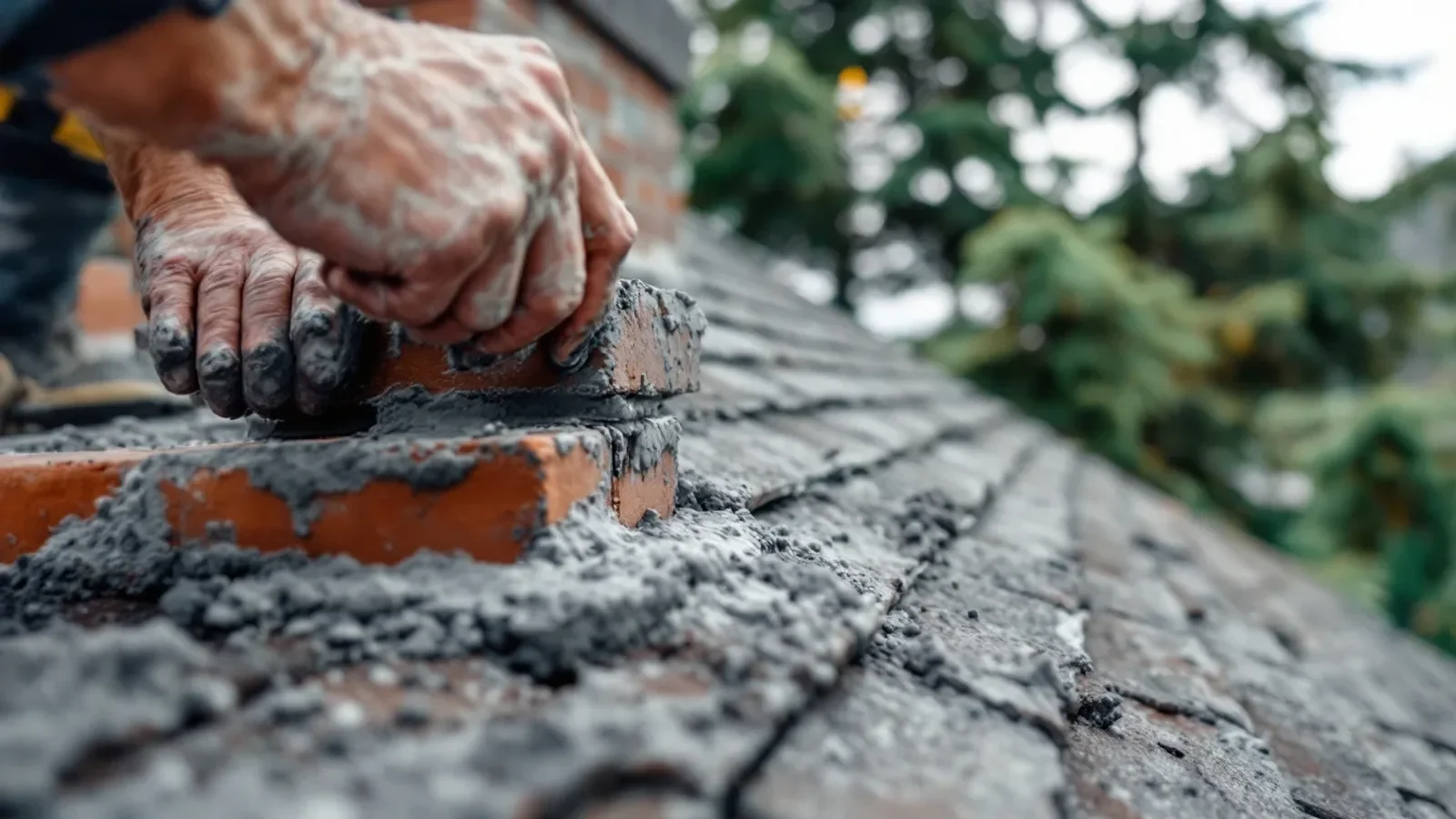
For damaged mortar joints, a process called tuckpointing or repointing is used to scrape away the soft, decayed material and pack the joints with fresh, specialized mortar that matches the strength and breathability of the original masonry. In cases where the brick itself is severely cracked or spalling, the compromised units are carefully chiseled out and replaced. Finally, applying a professional-grade, breathable water repellent to the exterior brickwork helps prevent future water absorption while allowing internal moisture to escape safely. Understanding the differences between waterproofing and repointing your masonry ensures you select the correct treatment for your chimney’s specific condition.
Ready for the next step? Learn how chimney repair services in Seattle can help and reach out to the team.
If you suspect your chimney is suffering from wet weather degradation, scheduling a comprehensive chimney repair seattle consultation is the best way to safeguard your home against structural decay. Our experienced technicians can evaluate the stability of your masonry and provide the precise repairs needed to keep your fireplace dry and safe through the wettest seasons.
Frequently Asked Questions
Can I just seal my chimney with standard hardware store paint?
No, standard waterproof paints and sealers trap moisture inside the brick, which accelerates spalling during freeze-thaw cycles. Professional masonry waterproofing utilizes specialized, vapor-permeable siloxane formulas that allow internal moisture to escape while blocking external rain from entering.
How quickly does water damage progress in our wet climate?
Because of our persistent damp winters, minor hairline cracks in mortar joints can deteriorate into deep structural voids in just one or two seasons. Catching issues early through regular visual checks can prevent the need for full chimney reconstruction.
Why does my fireplace smell musty when it rains?
A musty odor is a strong indicator that water has entered the chimney system and is mixing with soot and creosote deposits inside the flue or on the smoke shelf. This moisture needs to be addressed to protect the structural integrity of your flue liner.
Do not let wet weather compromise the safety and beauty of your home. Contact Nation Wide Chimney Sweep&Repair today to schedule a thorough assessment of your masonry and keep your chimney resilient against the Pacific Northwest elements.