Why Seattle Rain Causes Damp Fireplace Chimney Dampness
Seattle averages around 150 rainy days per year, delivering more than 38 inches of annual precipitation that consistently blankets our neighborhoods. This persistent, fine, and steady Pacific Northwest moisture does more than just green the local landscape. It places a relentless hydrological load on residential masonry structures throughout King County. When homeowners notice cold drafts, musty smells, or visible moisture inside their hearths, they are experiencing the direct consequences of a damp fireplace chimney dampness issue. Understanding how this water infiltrates your system is the first step toward protecting your home from structural deterioration.
Because masonry is inherently porous, the constant exposure to local weather patterns means your chimney behaves like a rigid sponge. When water enters this system, it does not just stay on the exterior. It travels inward, seeking paths of least resistance until it reaches your living space. To properly address these issues, we must separate common misconceptions from physical reality. Below, we break down the most widespread myths regarding wet-weather fireplace issues in the Seattle metropolitan area.
Myth: Fireplace Dampness Only Occurs During Torrential Downpours
Reality: Many homeowners assume that a chimney only leaks or feels damp during major atmospheric river events or heavy winter storms. In the Puget Sound region, the opposite is frequently true. Our signature long, drawn-out drizzle can actually cause more deep-seated saturation than a short-lived summer storm.
During a brief, heavy downpour, much of the water runs quickly down the face of the brick and off the roof, failing to fully penetrate the masonry. However, when your chimney is subjected to three consecutive days of steady, low-intensity Seattle mist, the bricks and mortar joints remain perpetually wet. Without dry intervals or direct sunlight to evaporate the moisture, the masonry reaches a point of total saturation. Once saturated, the water begins to travel horizontally through capillary action, eventually showing up as a damp fireplace chimney dampness problem inside your home. Recognizing this pattern is why keeping an eye out for the signs of Seattle chimney water damage is crucial for local property owners.
Myth: A Cold, Damp Fireplace Draft Is Just a Natural Venting Phenomenon
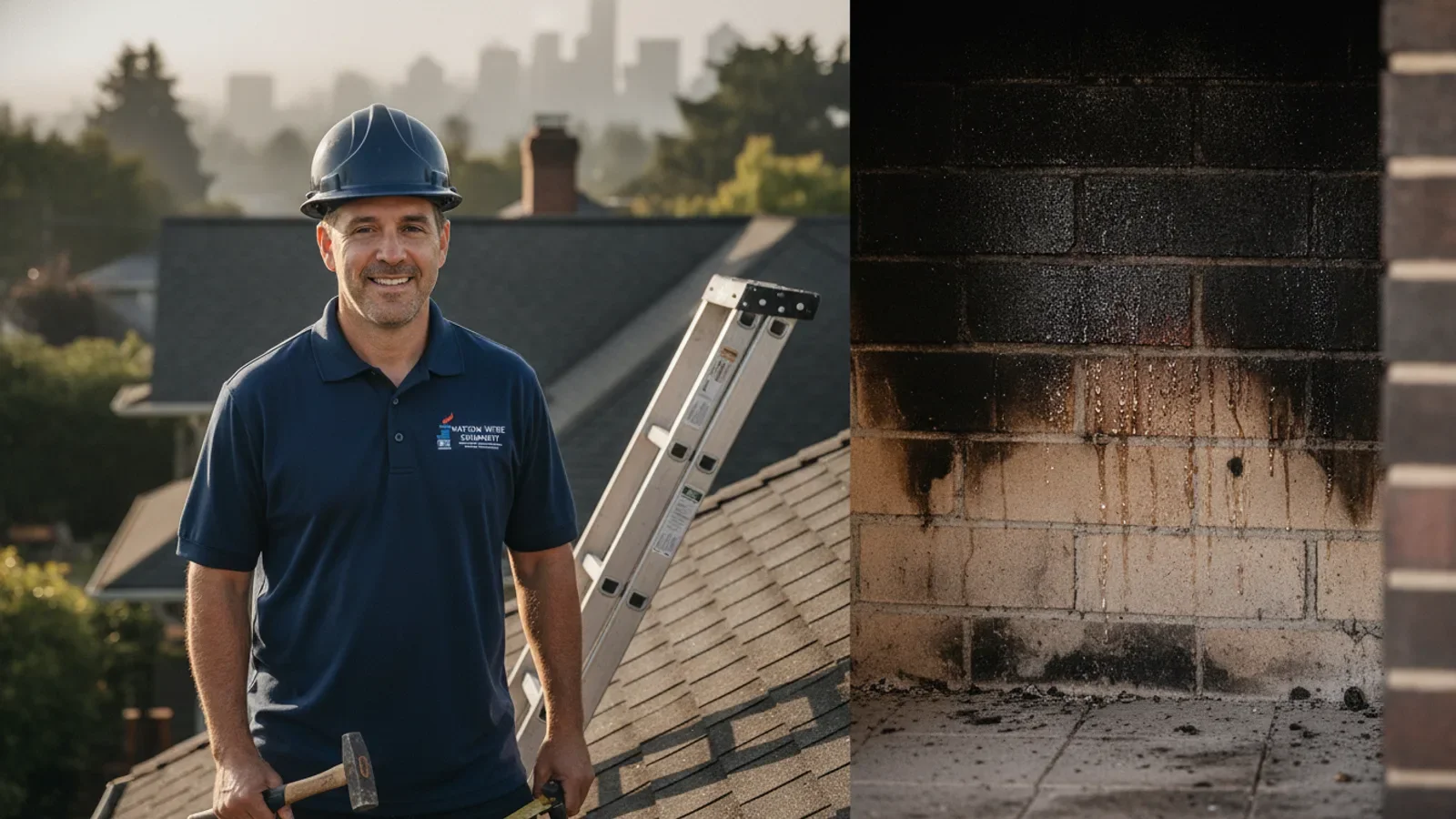
Reality: It is easy to blame a cold draft on the simple physics of air pressure, but consistent dampness accompanying that draft indicates a physical moisture barrier failure. When moist air enters your home through the fireplace, it carries a distinct, earthy, or musty odor that signals the presence of water inside the flue or masonry structure.
When the chimney flue or the surrounding brickwork absorbs water, the air inside the chimney column cools down rapidly. Cold air is denser and heavier than warm air, causing it to fall downward into your living room rather than rising out of the top of the flue. This reverse draft carries the smell of wet soot, creosote, and damp masonry directly into your home. If you only address the air pressure without fixing the underlying moisture intrusion, the drafty, smelly problem will persist through every wet season. To understand the options available for restoring these compromised joints, homeowners can explore the differences in masonry waterproofing vs repointing in Seattle.
Myth: Water in the Firebox Always Means the Chimney Cap Is Missing
Reality: While a missing, damaged, or poorly sized chimney cap is a common entry point for direct rainfall, it is far from the only cause of a wet fireplace. Water can bypass the top of the flue entirely by soaking directly through the exterior brick wall, the mortar joints, or the concrete chimney crown.
If your chimney cap is intact but you still find water pooling on your firebox floor or dampness on the back wall, the culprit is often a cracked chimney crown or deteriorated mortar. The concrete crown at the very top of your chimney acts as a shedding roof for the masonry below. If it has hair-thin fractures, Seattle rain will seep through, traveling down behind the brick veneer and bypassing the flue liner entirely. Additionally, deteriorated flashing where the chimney meets your roofline can allow water to run down the exterior of the chimney breast, manifesting as damp drywall or a wet hearth. To prevent these complex entry pathways, read our guide on how to prevent chimney leaks in Seattle.
If you want it handled correctly the first time, consider professional chimney repair in Seattle.
Myth: Brick and Mortar Are Completely Waterproof Building Materials
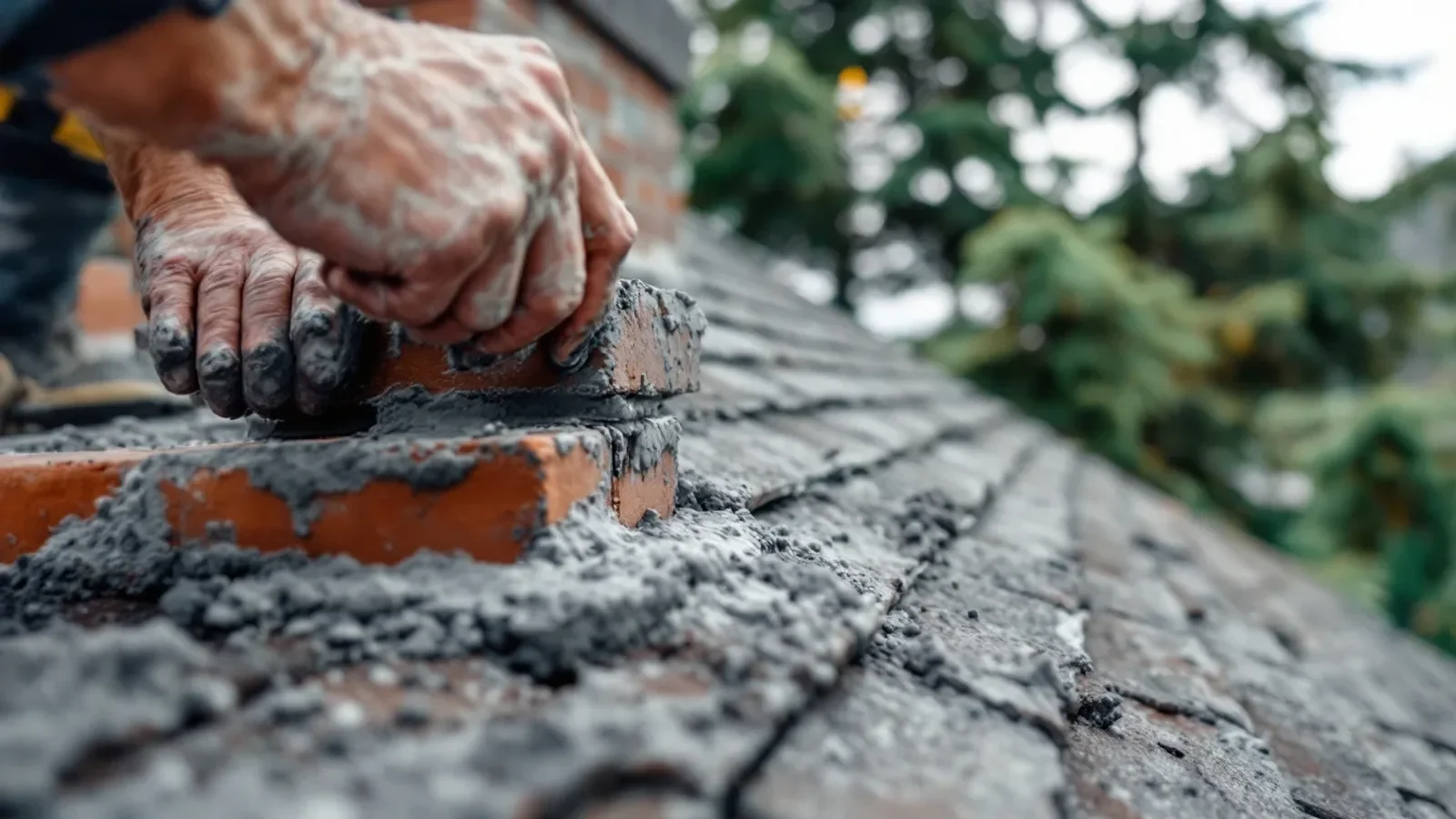
Reality: Bricks are made of baked clay, and mortar is a mixture of cement, lime, and sand. Neither of these materials is waterproof. In fact, they are highly porous, acting like a dense sponge that naturally absorbs liquid water and water vapor.
A single standard clay brick can hold a significant amount of water. In the Pacific Northwest, where humidity remains high and temperatures hover just above freezing for several months, this absorbed water has nowhere to go. As the brick stays saturated, the water works its way deeper toward the interior chimney liner. Over time, this constant dampness degrades the physical strength of the brick, leading to spalling, which is when the face of the brick pops off, cracks, or crumbles into dust. Assuming your brickwork is impervious to rain is a dangerous mistake that can lead to costly structural failures.
Myth: Chimney Dampness Is Merely a Cosmetic Problem Inside the Home
Reality: A damp fireplace is a clear warning sign of active structural degradation that can compromise the safety of your entire household. Water inside the chimney structure does not just make things look unsightly; it actively rusts out essential metal components and weakens load-bearing masonry.
When moisture penetrates the chimney, it rusts the metal fireplace damper, making it difficult or impossible to open and close properly. It can also destroy the metal firebox liners or the reinforcement bars holding the masonry together. More critically, dampness that penetrates the flue liner can cause clay tiles to crack and flake apart. When flue liners fail, heat, carbon monoxide, and embers can escape into the combustible frame of your home. Treating dampness as a minor cosmetic issue ignores a progressive safety hazard that requires professional chimney repair seattle to resolve before the system is used for heating again.
Myth: Applying Standard Hardware Store Paint Will Waterproof a Damp Chimney
Reality: Painting a damp brick chimney with standard exterior latex or oil-based paint is one of the most damaging actions a homeowner can take. While it might temporarily cover up stains, it seals moisture inside the brickwork, accelerating the destruction of your masonry.
Masonry must be able to breathe. Water vapor needs to escape from the inside of the brick to the outside air. When you coat the exterior in non-permeable paint, you trap water inside the brick. During our cool winters, this trapped water expands as temperatures drop, causing the brick to crumble behind the paint. The paint will quickly blister, peel, and pop off, taking chunks of the brick face with it. Professional solutions require vapor-permeable, hydrophobic masonry sealants that allow water vapor to escape while preventing liquid rain from entering. If you are planning to hire a technician to apply the correct sealants, review these crucial questions to ask a Seattle chimney contractor first.
Many Seattle homeowners rely on expert chimney repair in Seattle for exactly this.
The Impact of the Seattle Climate on Masonry Structures
The Pacific Northwest has a unique climate profile that is particularly harsh on historic and modern masonry. Unlike regions that experience deep, consistent winter freezes, Seattle sits in a zone of frequent freeze-thaw cycles. During a typical winter week, temperatures may hover in the mid-40s during a rainy afternoon, allowing the chimney to drink in moisture. Overnight, the temperature often drops just below freezing.
When water freezes, it expands by approximately nine percent. This expansion occurs within the microscopic pores of the brick and the mortar joints. Because the water has nowhere to go, it exerts immense internal pressure on the masonry. This cycle repeats dozens of times throughout a single winter, slowly micro-fracturing the mortar and loosening the bond between the brick and the joint. Compounding this issue is Seattle’s older housing stock, particularly in historic neighborhoods like Capitol Hill, Queen Anne, and Ballard, where chimneys were built using softer, historic lime mortars that are highly susceptible to water washout and freeze-thaw deterioration.
Frequently Asked Questions
Why does my fireplace smell like a wet campfire when it rains in Seattle?
When rain enters your chimney, it mixes with the leftover soot and creosote deposited along the flue walls. The high humidity and downward air drafts common in damp weather carry this highly concentrated odor down the chimney column and disperse it into your living area.
Can a damp chimney cause damage to my home’s interior walls?
Yes. Water absorbed by the chimney masonry can easily migrate to adjacent interior walls, leading to peeling paint, bubbling plaster, warped wood trim, and damaged drywall surrounding the fireplace breast. This is often a sign of failing chimney flashing or a severely cracked crown.
How do I know if my chimney dampness is caused by a leak or just high indoor humidity?
If the dampness increases significantly during or immediately after rainfall, it is almost certainly a structural water intrusion issue. If the moisture is persistent regardless of weather, or is accompanied by condensation on windows, it may be related to high indoor humidity and poor ventilation.
Is it safe to burn a fire in a fireplace that has moisture issues?
No, it is not recommended to light a fire in a damp fireplace without an inspection. The sudden, intense heat of a fire can cause trapped moisture inside the masonry or clay flue liners to expand rapidly as steam, which can crack the flue tiles or pop bricks, creating an immediate fire hazard.
Protect Your Seattle Hearth from Rain Damage
Persistent moisture is the primary enemy of masonry durability. Leaving a damp fireplace unaddressed allows water to quietly undermine the structural integrity of your chimney, leading to costly masonry restoration work down the road. If you have noticed damp smells, crumbling mortar, or water staining inside your hearth, taking action before the next rainy season is vital. Our experienced technicians specialize in diagnosing and correcting Pacific Northwest moisture problems. Contact Nation Wide Chimney Sweep&Repair today to schedule a comprehensive chimney assessment and safeguard your home against wet-weather deterioration.