How to Hire a Chimney Repair Contractor in Seattle: A Step-by-Step Vetting Guide
Ignoring masonry issues on your roofline can lead to serious household damage. When mortar joints crumble and flashing seals fail, the persistent Pacific Northwest dampness quietly penetrates your home. Over time, this moisture migration rots framing timber, destroys drywall, and compromises the structural stability of the entire venting system. By the time a leak becomes visible inside your living room, the structural repairs required are often far more extensive and costly than timely maintenance would have been.
Finding the right professional to address these issues requires careful vetting. Because Washington does not have a specific specialty license dedicated solely to chimney masonry, homeowners must be proactive when looking to hire a chimney repair contractor. This step-by-step guide walks you through the entire process of sourcing, interviewing, and selecting a qualified specialist who understands how to protect your home from local weather patterns.
Before You Start: Preparation Checklist
Gathering the right information beforehand helps you communicate clearly with prospective specialists and secure accurate assessments. Before making your first phone call, prepare the following:
- Recent Inspection Reports: Pull any documentation or sweep reports from the last twelve months.
- Clear Photographs: Safely take photos of the fireplace interior and any visible exterior issues from ground level (do not climb onto the roof yourself).
- Property Records: Know the approximate age of your home and when the fireplace was last used or serviced.
- A Dedicated Notebook: Keep a record of contractor responses, license numbers, and scheduling availability.
Step 1: Verify Active Washington State Business Licenses
Every legitimate specialist working on your home must be registered with the Washington State Department of Labor and Industries (L&I). This is your first line of defense against unlicensed operators who leave homeowners with no recourse if work is completed improperly.
Visit the official Washington L&I website and use their “Verify a Contractor” tool. Look up the business name to ensure their general or specialty construction contractor registration is active. This tool also displays whether the contractor has any outstanding infractions, safety violations, or lawsuits, giving you an immediate view of their business history.
Step 2: Confirm Active Bond and Insurance Coverages
Masonry work carries inherent risks, including working at significant heights and handling heavy materials above your roofline. Never hire a provider who cannot immediately provide proof of current liability insurance and bonding.
If you want it handled correctly the first time, consider professional chimney repair in Seattle.
Ask the contractor to have their insurance agency send a Certificate of Insurance (COI) directly to you. This certificate should show active general liability coverage, which protects your property from accidental damage, and workers’ compensation insurance, which protects you from liability if an employee is injured on your property. Verify that the bond information listed on the L&I verification portal matches the business details on your estimate.
Step 3: Evaluate Local Wet-Weather Masonry Experience
Seattle homes face unique architectural and environmental demands that national franchise operations or general handymen often fail to appreciate fully. Our regional climate requires specific material choices and application techniques.
Ask the contractor about their experience working with regional building materials, such as the historic brick common in early twentieth-century neighborhoods like Capitol Hill or Queen Anne. You want to ensure they understand how to manage chimney repair seattle projects under persistent damp conditions, including the proper temperature ranges required for mortar to cure successfully in wet weather.
Step 4: Ask About Professional Certifications and Standards
While the state regulates general business licensing, industry-specific organizations set the standards for safety and technical precision. A committed specialist maintains credentials that prove their ongoing education in venting dynamics and structural safety.
Inquire if the technicians performing the work hold active certifications from recognized industry bodies, such as the Chimney Safety Institute of America (CSIA). Ask if they follow the diagnostic standards established by the National Fire Protection Association (NFPA 211). These credentials demonstrate that the team is trained to recognize hidden hazards inside the flue, not just cosmetic issues on the brick exterior.
Step 5: Demand a Detailed, Written Scope of Work
Vague estimates are a primary source of project delays and unexpected expenses. A professional proposal should clearly outline every aspect of the proposed intervention.
Ensure your written estimate itemizes all materials, preparation steps, and cleanup procedures. It should clearly differentiate between distinct techniques, such as applying a breathable sealer versus executing structural mortar replacement. If you are trying to understand which method your home needs, review our guide on masonry waterproofing vs repointing to better evaluate the recommendations in your proposal.
Many Seattle homeowners rely on expert chimney repair in Seattle for exactly this.
Step 6: Inquire About Site Protection and Cleanup Protocols
Masonry repair can be a messy process involving falling mortar, brick dust, and heavy foot traffic across your roof. A quality contractor takes extensive precautions to protect your landscaping, shingles, and home interior.
Ask the contractor exactly how they plan to safeguard your property. They should explain how they will set up tarps to catch debris, protect your gutters from ladder damage, and seal off the fireplace interior if they are working on the flue. Ensuring they have a clear plan for dust containment and daily debris removal saves you from dealing with a soot-stained hearth or damaged flowerbeds after they pack up.
Step 7: Compare Warranties and Weather-Protection Guarantees
Even the highest-quality masonry can fail if it is exposed to heavy rain before it has fully cured. You need to know how the contractor protects their fresh work from the elements and what kind of long-term support they offer.
Ask what specific steps they take to shelter the workspace from rainfall during the curing phase. Request a copy of their written warranty. A reliable business stands behind its craftsmanship with a clear, written warranty covering both materials and labor, outlining exactly what steps to take if you notice a leak or cracking mortar within the warranty period.
The Seattle Masonry Landscape: Why Local Expertise Matters
The Puget Sound region features a diverse mix of residential architecture, from century-old Craftsman bungalows to mid-century modern homes and contemporary builds. This variety means that a one-size-fits-all approach to masonry fails to deliver lasting results. Older brick structures in neighborhoods like Ballard or Madison Park often feature soft, lime-based mortars. Applying modern, hard Portland-cement-based mortar to these delicate historic bricks causes the brick faces to spall and crack during natural temperature swings.
Furthermore, our regional climate features mild but highly persistent rain coupled with winter temperatures that frequently hover right around the freezing mark. This environment triggers frequent freeze-thaw cycles. Moisture gets trapped inside porous brick and mortar, expands as it freezes, and causes the masonry to crumble from the inside out. Understanding how to handle these regional variables is crucial, which is why choosing a contractor with deep roots in local seattle chimney masonry practices is essential for the long-term health of your home.
Ready for the next step? Learn how chimney repair services in Seattle can help and reach out to the team.
When to Call a Professional in Seattle
While homeowners can easily handle basic maintenance like clearing debris from the cleanout door or monitoring the hearth for moisture, structural masonry repair is never a DIY project. Working on a steep, wet roof carries significant safety risks, and improper mortar application can permanently trap moisture inside your walls, accelerating structural rot.
You should contact a professional immediately if you observe water dripping into your firebox, visible cracks in the exterior mortar joints, or pieces of broken brick collecting on the ground. If you are noticing dampness inside your home but aren’t sure where it is coming from, our guide on how to prevent chimney leaks can help you identify common entry points before you call in a specialist.
Frequently Asked Questions
Can masonry repairs be performed during the rainy winter season in Seattle?
Yes, but it requires specialized techniques and equipment. Professional contractors utilize custom tarping systems, heaters, and scaffolding enclosures to protect the mortar from moisture and freezing temperatures while it cures.
How do I know if my chimney needs to be rebuilt or simply repointed?
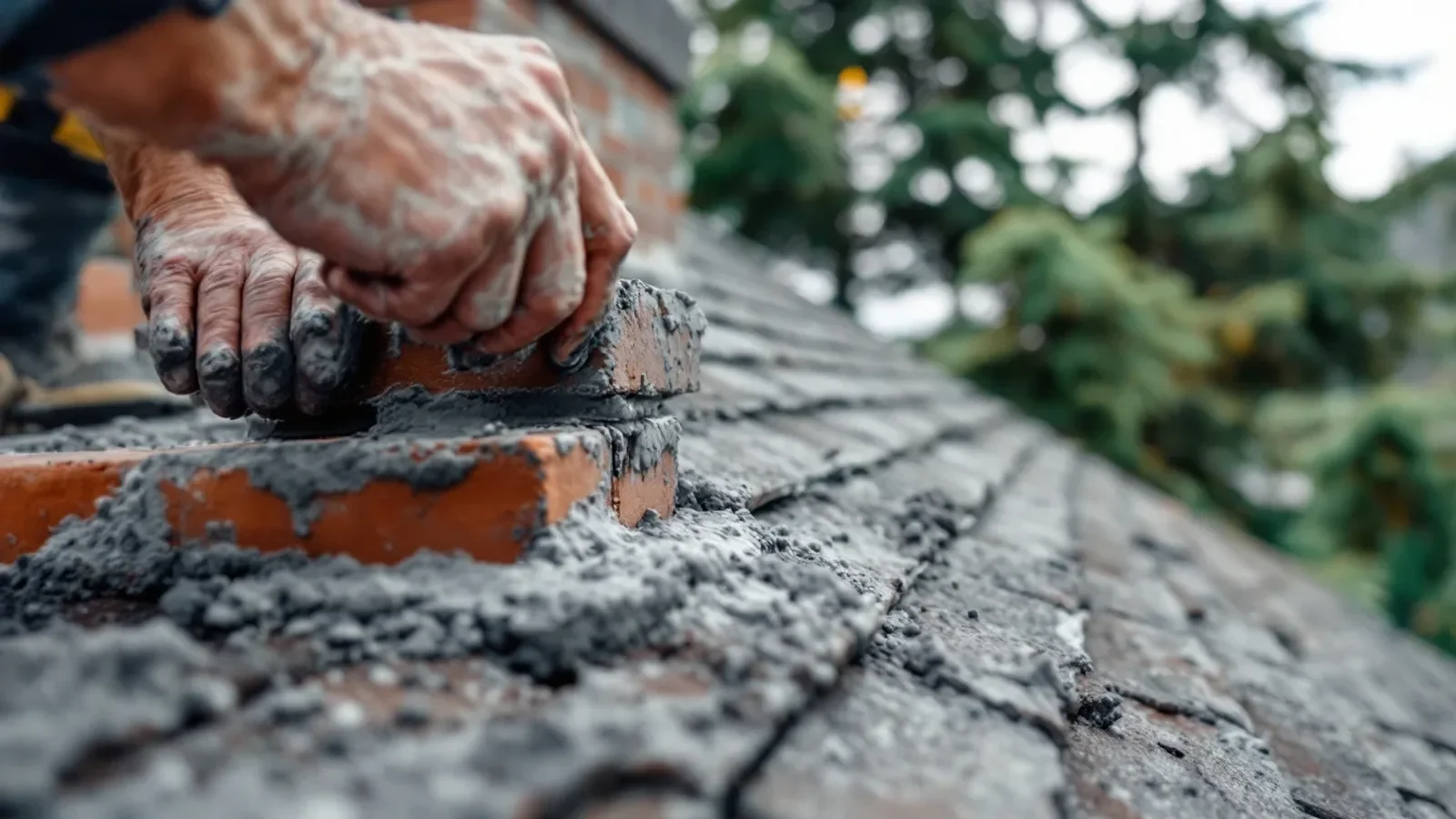
Repointing is appropriate when the mortar joints are crumbling but the bricks themselves remain structurally sound and aligned. If the bricks are severely cracked, spalling, or leaning away from the home, a partial or complete rebuild is usually necessary to restore safety.
What is the difference between a general contractor and a masonry specialist?
While general contractors oversee broad construction projects, a masonry specialist possesses deep training in venting physics, historic brick preservation, and the specific structural demands of chimney systems, ensuring your fireplace remains safe to operate.
Securing Your Seattle Home for the Seasons Ahead
Choosing the right contractor to handle your venting and masonry needs is the most important decision you can make to protect your home from water damage. Taking the time to verify state licensing, confirm adequate insurance coverages, and ask targeted questions about material compatibility ensures that your investment yields durable, weather-resistant results. Do not wait for the next heavy rainfall to address crumbling joints or flashing gaps. Reach out to a qualified specialist to schedule an assessment and keep your masonry strong, dry, and secure through every season.