How to Prevent Chimney Leaks in Seattle: A Seasonal Protection Checklist
A dark, persistent water stain slowly spreading across the ceiling drywall next to your fireplace mantel is a sight no Seattle homeowner wants to encounter. With our signature Pacific Northwest drizzle and heavy seasonal downpours, a small vulnerability in your masonry can quickly escalate into a major headache. Because local homes endure months of near-constant dampness, knowing how to prevent chimney leaks is one of the most effective ways to protect your property from structural wood rot, interior mold, and deteriorating brickwork.
While some moisture issues require professional diagnostic equipment and specialized masonry tools, many leaks can be avoided entirely through systematic, proactive maintenance. This checklist outlines the essential steps to keep your venting system bone-dry through every season, helping you identify weak spots before they turn into expensive home repairs.
The Exterior Masonry Protection Checklist
The exterior of your chimney is your first line of defense against the elements. Constant exposure to damp weather can cause masonry materials to absorb moisture like a sponge, leading to rapid deterioration. Use this checklist to evaluate the health of your chimney’s outer structure:
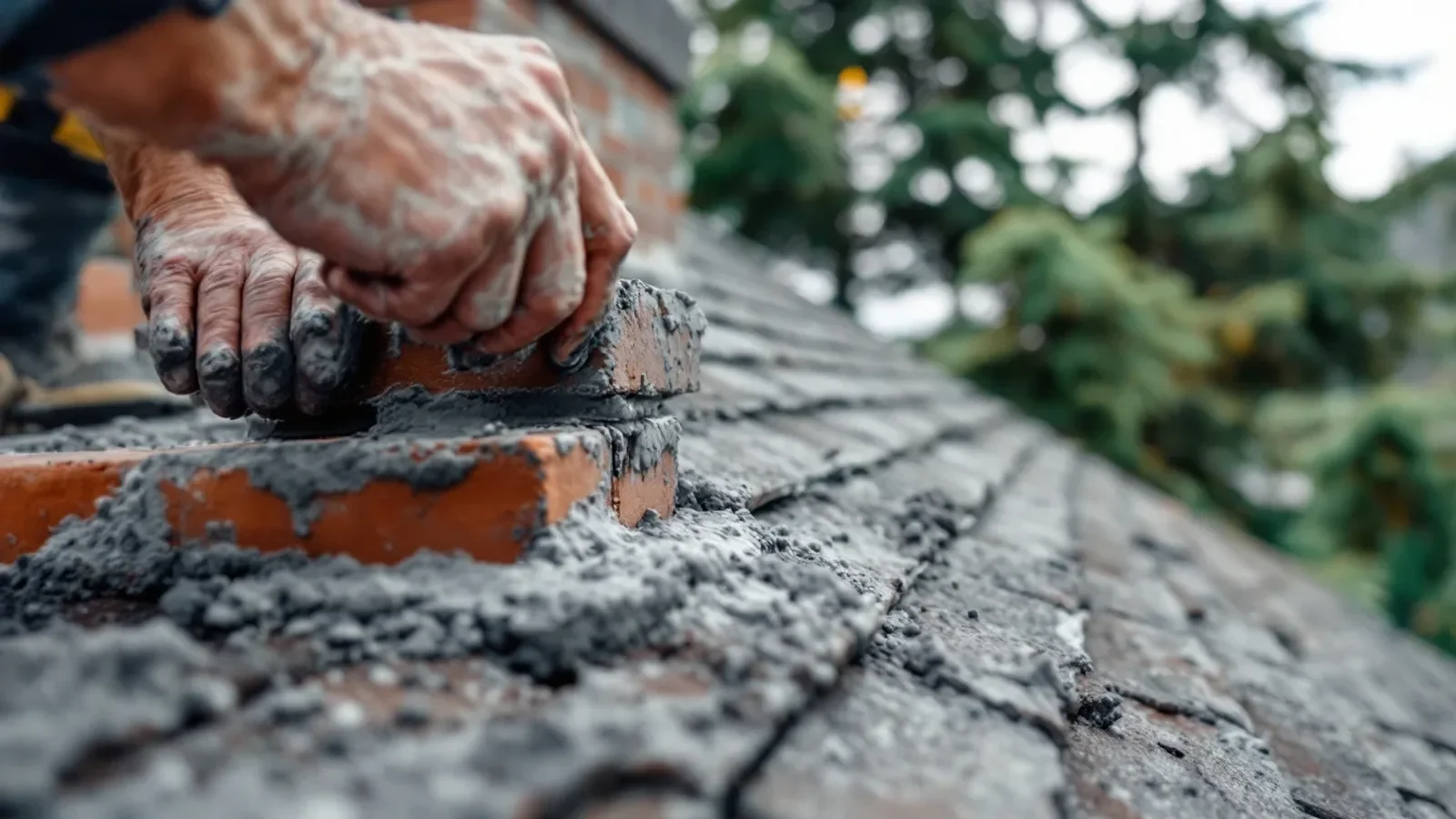
- Inspect the mortar joints for soft or sandy areas: Run a screwdriver gently along the mortar lines between your bricks to see if the material crumbles, which indicates it is time for professional repointing.
- Check for spalling bricks on the chimney stack: Look closely for brick faces that are peeling, flaking, or popping off entirely, as this indicates deep water saturation.
- Examine the chimney crown for hairline fractures: Assess the concrete slab at the very top of the structure to ensure rain cannot seep into the internal flue cavities through tiny cracks.
- Evaluate the need for a breathable hydrophobic sealant: Apply a professional-grade, vapor-permeable water repellent designed specifically for brickwork to shed rain while allowing trapped internal moisture to escape.
- Clear moss and algae growth from the masonry surface: Remove organic growth gently without high-pressure washing, as roots hold moisture directly against the brick and accelerate structural decay.
The Chimney Top and Flashing Checklist
The transition zones where different materials meet are the most common entry points for water. If your chimney lacks proper physical barriers at the top or where it intersects with your roofline, rain will inevitably find its way inside.
If you want it handled correctly the first time, consider professional chimney repair in Seattle.
- Verify the presence of a secure chimney cap: Ensure a sturdy, stainless steel or copper cap with protective side mesh is firmly mounted over every open flue to block direct rainfall.
- Inspect the metal flashing around the roof base: Examine the L-shaped metal strips where the chimney meets your shingles, looking for lifted edges, rusted spots, or separated seams.
- Check the condition of the counter-flashing sealant: Examine the waterproof caulk or mortar seal along the top edge of the metal flashing embedded in the brick to ensure it has not peeled away or cracked.
- Look for signs of pooling water behind the chimney: Install a roof cricket, which is a small diversion saddle, if your chimney is wide and sits at the bottom of a roof slope where water naturally collects.
- Ensure the cleanout door at the base is sealed: Check the metal ash dump or cleanout door located outside or in the basement to confirm it fits tightly and does not let ground runoff seep inside.
The Indoor Fireplace and Flue Checklist
Water damage does not always announce itself on the roof. Often, the first warnings of a leak appear inside your living space or within the flue itself, where hidden moisture can quietly cause decay.
- Shine a flashlight up the flue to look for water tracks: Peer past the damper to check for white, powdery salt deposits known as efflorescence, or active rust on the metal damper plate.
- Sniff the fireplace opening for damp, musty odors: Take note of sour, earthy, or campfire-like smells on humid days, which often indicate soot and creosote mixing with standing water inside the flue. For more details on why this happens, read about why Seattle rain causes damp fireplaces.
- Inspect the fireplace hearth and firebox walls: Look for staining, dripping water, or crumbling firebrick mortar inside the burning area after a heavy wind-driven rainstorm.
- Test the operation of the throat damper: Confirm the metal plate opens and closes smoothly, as rust from water leaks can seize the mechanism in place or warp the metal.
- Check drywall and plaster adjacent to the chimney breast: Look for peeling paint, bubbling wallpaper, or soft spots on the walls and ceilings directly surrounding the fireplace structure.
Seattle-Specific Environmental Considerations
The Puget Sound region presents a very specific set of challenges for masonry structures. Our climate does not feature the extreme, prolonged sub-zero temperatures of the Midwest, but our unique weather patterns can be surprisingly destructive to brick and mortar.
- Prepare for high-frequency freeze-thaw cycles: Monitor your brickwork during late winter when temperatures hover continually around the freezing mark, causing absorbed rainwater to repeatedly freeze, expand, and crack the masonry.
- Account for constant low-intensity rainfall: Understand that Seattle’s long weeks of steady, misty drizzle keep masonry saturated for months without a chance to dry out, making waterproofing essential.
- Protect chimneys shaded by mature tree canopies: Trim back overhanging branches from Douglas firs or maples that block sunlight from reaching the chimney, as shaded masonry stays wet much longer and encourages moss growth.
- Address marine air exposure if living near the Sound: Keep in mind that saltwater mist can accelerate the corrosion of non-galvanized metal chimney caps, chase covers, and flashing kits.
- Factor in historic local home construction: Pay close attention if you own a classic Craftsman or Tudor home in neighborhoods like Queen Anne or Capitol Hill, as older lime-mortar joints are highly porous and susceptible to modern water intrusion.
Many Seattle homeowners rely on expert chimney repair in Seattle for exactly this.
Frequently Asked Questions
Can I use standard hardware store silicone to seal my chimney bricks?
No, standard silicone or paint-on sealers should never be used on masonry. These products create an impermeable barrier that traps rising vapor inside the brick, which then freezes and blows the face off the brick during cold weather; always use a professional, vapor-permeable hydrophobic sealant instead.
How do I know if my chimney leak is coming from the roof or the masonry?
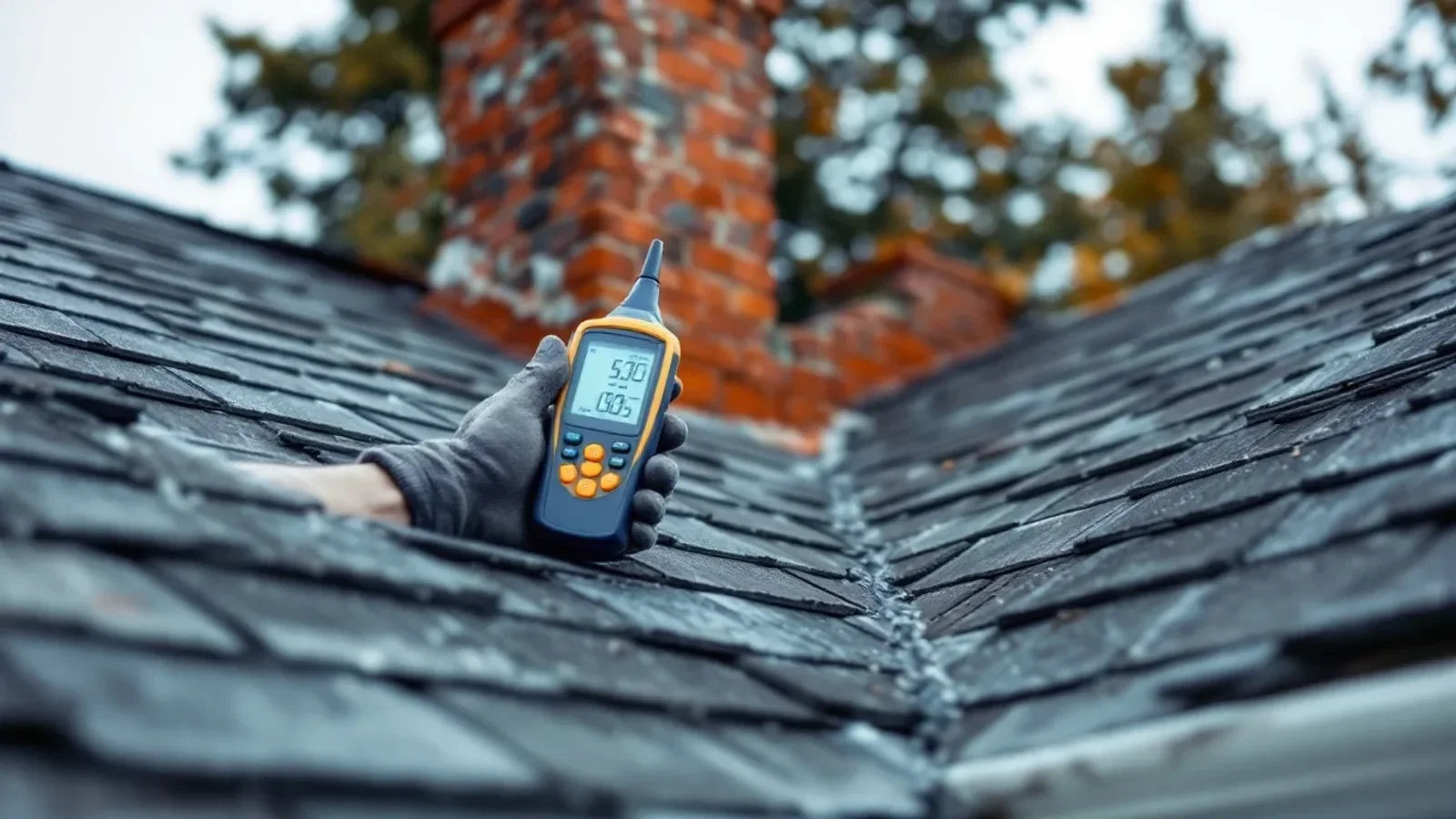
Roof leaks generally present as water staining on the ceiling slightly away from the chimney, while a masonry leak usually causes water to run down the brick itself, pool in the firebox, or stain the drywall directly touching the chimney breast. A professional inspection can isolate the exact source using moisture meters.
How often should I have my chimney checked for leaks in the Pacific Northwest?
It is highly recommended to have your system evaluated at least once a year, preferably in the late summer or early fall before the heavy autumn rains begin, ensuring any vulnerable joints or cracks are repaired while the structure is completely dry.
A Dry Chimney Starts with Early Detection
Ignoring a minor drip today can lead to extensive structural issues, ruined drywall, and compromised masonry tomorrow. If you have noticed damp smells, crumbling brick dust, or active dripping inside your fireplace, scheduling a professional evaluation is the safest next step. For comprehensive restoration and structural support, see our chimney repair Seattle service guide to learn how we restore water-damaged masonry, or consult our checklist on questions to ask a Seattle chimney contractor before you hire a professional. To keep your home dry and secure, contact Nation Wide Chimney Sweep & Repair today to speak with an experienced local specialist.