Evaluating Seattle Chimney Repair Needs: How Wet Weather Damages Your Masonry
You sit by the hearth on a damp November evening, listening to the steady patter of Pacific Northwest rain on your roof, only to notice a faint, earthy mustiness drifting down the flue. Perhaps you spot a dark, damp shadow spreading across the drywall near your ceiling, or notice tiny flecks of red clay resting on the hearth. In our maritime climate, these quiet warning signs point directly to your roofline. Moisture is the single greatest threat to brick and mortar structures, making timely chimney repair in Seattle an essential part of local home preservation.
Because our weather consists of prolonged, misting rain interspersed with sudden temperature drops, local masonry absorbs water like a sponge and then suffers structural damage when that water freezes. Understanding how our unique environment affects your fireplace system can help you catch minor wear before it becomes a major structural issue. If you notice dampness, musty odors, or physical changes in your fireplace, booking a professional chimney inspection and repair assessment is the safest next step to protect your home’s structural integrity.
The Core Mechanisms of Wet Weather Masonry Damage
Brick is naturally porous, consisting of tiny microscopic pathways that easily draw in moisture. In a dry climate, this absorbed water evaporates harmlessly into the air. In Western Washington, however, the continuous dampness means the masonry rarely has a chance to dry completely. This constant state of saturation leads to several distinct types of degradation that require professional chimney repair.
The Freeze-Thaw Cycle
When water penetrates the exterior face of a brick and the temperature drops below freezing, that trapped water expands by roughly nine percent. This internal expansion exerts immense pressure on the surrounding clay and mortar. When the ice thaws, it leaves behind slightly enlarged cracks and pathways. Over dozens of these cycles during a typical Puget Sound winter, the internal structure of the brick weakens, eventually causing the face of the brick to crack, flake, and break away entirely. Homeowners frequently discover this progressive damage when they notice visible signs of chimney water damage around their roofline.
Mortar Washing and Erosion
Mortar is designed to be softer than the bricks it holds together, acting as a sacrificial joint that bears the brunt of physical stress. Over time, the acidic nature of rainwater combined with the physical impact of wind-driven storms washes away the outer layers of mortar. As these joints recede, they create small shelves where water can pool, accelerating the rate of water absorption and deep structural decay.
Evaluating Common Signs of Chimney Damage in the Pacific Northwest
Identifying masonry issues early can save you from extensive, costly rebuilds. While some damage is highly visible from the ground, other issues require a closer look at the roofline. Keep an eye out for these common indicators that your system needs professional attention:
- Spalling Bricks: This occurs when the outer face of the brick peels, pops off, or crumbles into dust. Once the hard outer glaze of a brick is compromised, the softer interior clay is exposed to rapid weathering.
- Efflorescence: This white, powdery substance forms on the exterior of your bricks. It is actually salt left behind when water carrying dissolved minerals migrates to the surface of the masonry and evaporates. While not a structural failure itself, it is a clear warning sign of high moisture levels inside the brickwork.
- Crumbling Mortar Joints: If you can easily scrape away mortar with a fingernail or a key, the joint has lost its structural integrity and can no longer support the weight of the masonry above it.
- Water in the Firebox: Seeing water pooling on the floor of your fireplace or hearing drips behind the damp damper during a storm is a direct indication of a failed cap, crown, or flashing system. This water intrusion often explains why Seattle rain causes damp fireplaces even when the system is not in use.
If you want it handled correctly the first time, consider professional chimney repair in Seattle.
The Seattle Chimney Market: Local Architecture and Climate Challenges
Seattle is home to a diverse array of housing stock, from historic early-twentieth-century Craftsman bungalows in Queen Anne and Capitol Hill to modern, minimalist designs in Ballard and West Seattle. This architectural diversity presents unique challenges for local chimney repairs washington. Older homes often feature historic lime-based mortar, which is highly breathable but susceptible to rapid erosion if not properly maintained. Applying modern Portland-cement-based mortar to these historic chimneys during a repair can cause the older, softer bricks to crack, making historical knowledge vital for any local masonry project.
Furthermore, our microclimates vary significantly. A home situated near the saltwater of Puget Sound in Alki or Golden Gardens faces wind-driven, salt-laden moisture that degrades masonry faster than in sheltered inland neighborhoods. Additionally, Seattle’s tree canopy, while beautiful, keeps chimneys in the shade, preventing them from drying out naturally after a storm and encouraging the growth of moss, lichen, and algae on the damp mortar joints. These organisms root into the mortar, keeping the structure perpetually wet and speeding up decay.
The Critical Vulnerability Points on Your Chimney
A chimney is a complex system of interconnected components designed to keep heat in and water out. When evaluating your system for potential chimney repair near me, there are several key vulnerability points that local specialists inspect closely:
The Chimney Crown
The crown is the concrete slab that covers the top of the chimney structure, surrounding the flue tile. It is designed with a slope to shed rainwater away from the brick sides. Because crowns are constantly exposed to direct rain and sun, they often develop fine cracks. Once water enters these cracks, freeze-thaw cycles can quickly split the concrete, allowing water to pour directly down into the interior brickwork of the chimney column.
The Flashing System
Flashing is the metal transition material that seals the intersection between your roof and the vertical masonry. Because bricks expand and contract at a different rate than your roof decking, this joint must remain flexible yet completely waterproof. Seattle’s heavy rains often find their way behind rusted, poorly sealed, or improperly bent flashing, causing hidden wood rot in your attic rafters before the damage ever becomes visible inside your living room.
The Chimney Cap
Operating as an umbrella for your flue, a quality stainless steel or copper cap prevents rain from falling directly down the vertical channel. Without a functioning cap, rainwater mixes with soot and creosote inside the flue, creating an acidic slurry that eats away at clay flue liners and mortar joints from the inside out.
Many Seattle homeowners rely on expert chimney repair in Seattle for exactly this.
Comparison of Masonry Repair and Protection Methods
When addressing water damage, there are different technical solutions depending on the severity of the decay. Understanding the options helps you make informed decisions when consulting with a professional. Below is a comparison of common solutions used to restore and protect local chimney structures:
| Service Method | When It Is Needed | How It Works | Primary Benefit for PNW Homes |
|---|---|---|---|
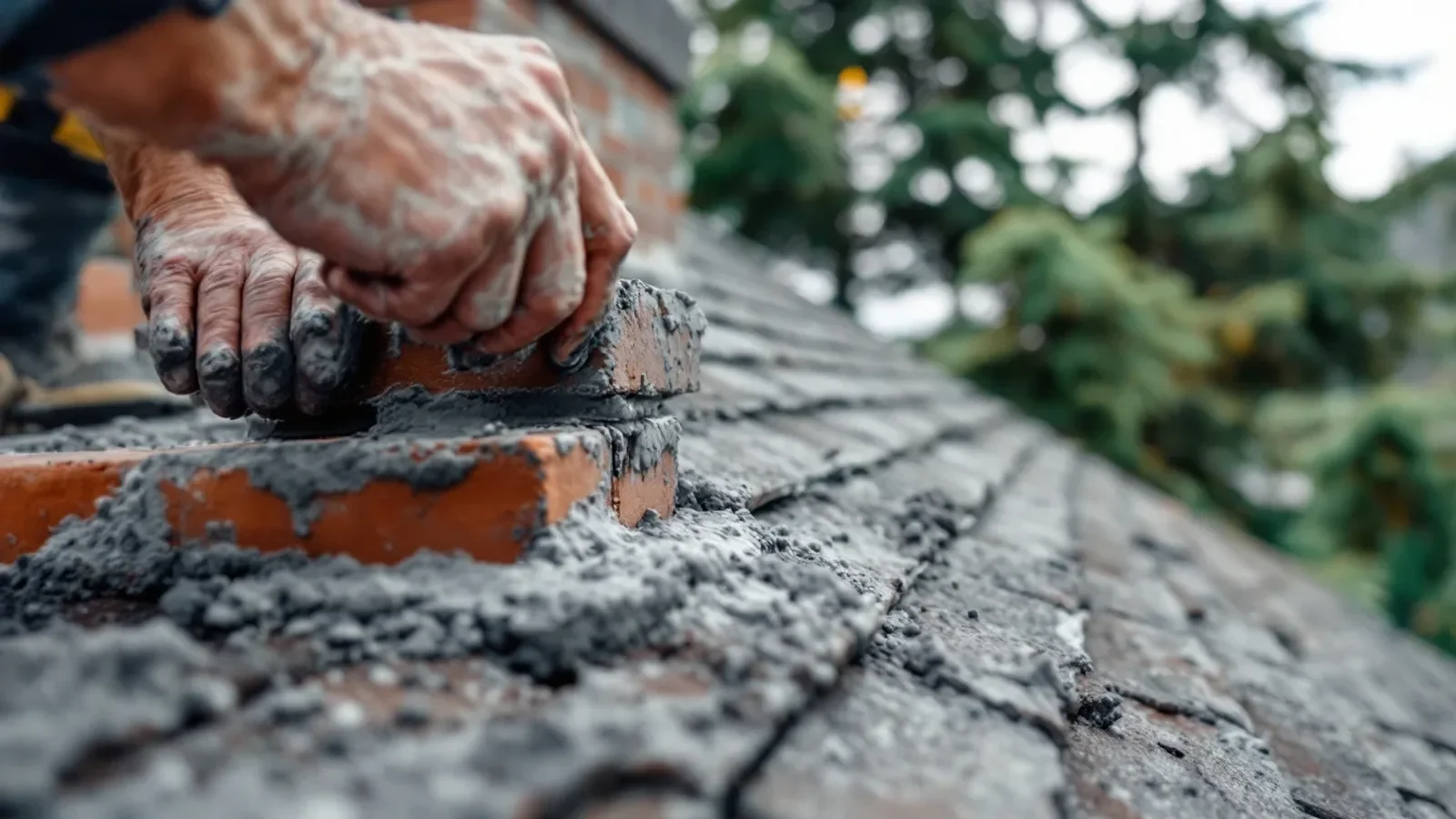
| Tuckpointing & Repointing | Receding, crumbling, or missing mortar joints with intact bricks. | Carving out decayed mortar to a depth of about one inch and replacing it with fresh, color-matched mortar. | Restores structural strength and seals out water without requiring a full rebuild. |
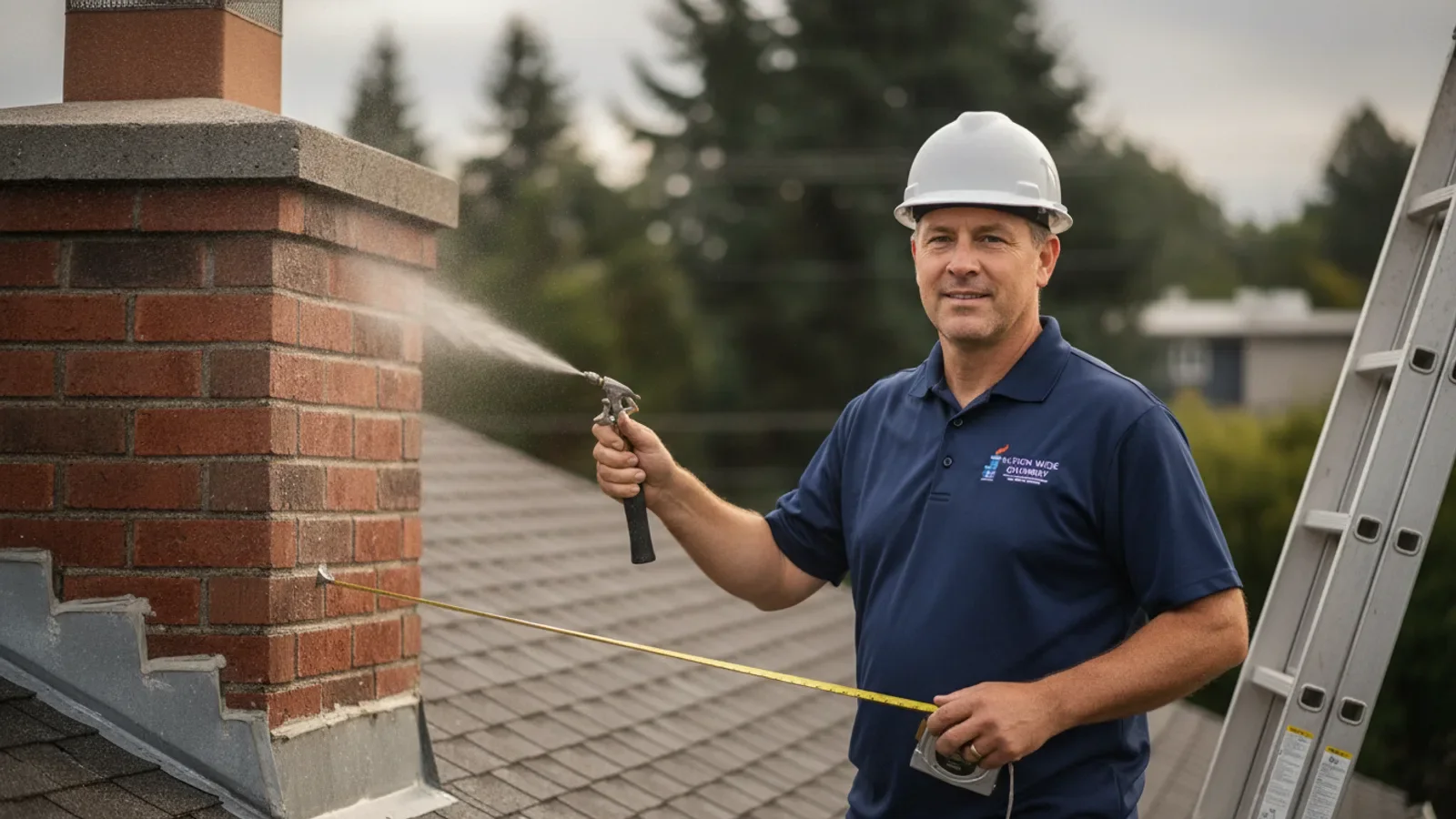
| Masonry Waterproofing | Intact masonry that is absorbing excessive water or showing signs of efflorescence. | Applying a vapor-permeable, siloxane-based water repellent that allows the brick to breathe while shedding exterior rain. | Prevents freeze-thaw spalling and keeps bricks dry during prolonged wet seasons. |
| Crown Repair / Rebuilding | Cracked, crumbling, or missing concrete crown at the top of the chimney. | Applying a flexible, elastomeric crown coating or completely pouring a new concrete slab with a drip edge. | Stops water from entering the interior core of the chimney structure from the very top. |
| Partial or Full Rebuild | Severe structural damage, loose bricks, leaning chimney, or extensive spalling. | Tearing down the damaged brickwork and rebuilding the structure with new brick, mortar, and flue liners. | Restores absolute structural safety and code compliance to severely compromised chimneys. |
Determining which of these methods is appropriate for your home depends on a professional assessment. For a deeper look at how these techniques compare and when to apply them, read our detailed comparison on masonry waterproofing vs repointing in Seattle.
Steps to Take When You Suspect Water Damage
If you suspect your chimney has suffered water damage, taking proactive steps can minimize the need for extensive repairs later. Start by conducting a safe, ground-level visual inspection using binoculars. Look for missing mortar, cracked bricks, or dark water stains on the exterior. Next, inspect your attic space directly beneath the chimney area for any signs of damp wood, stained drywall, or mold growth.
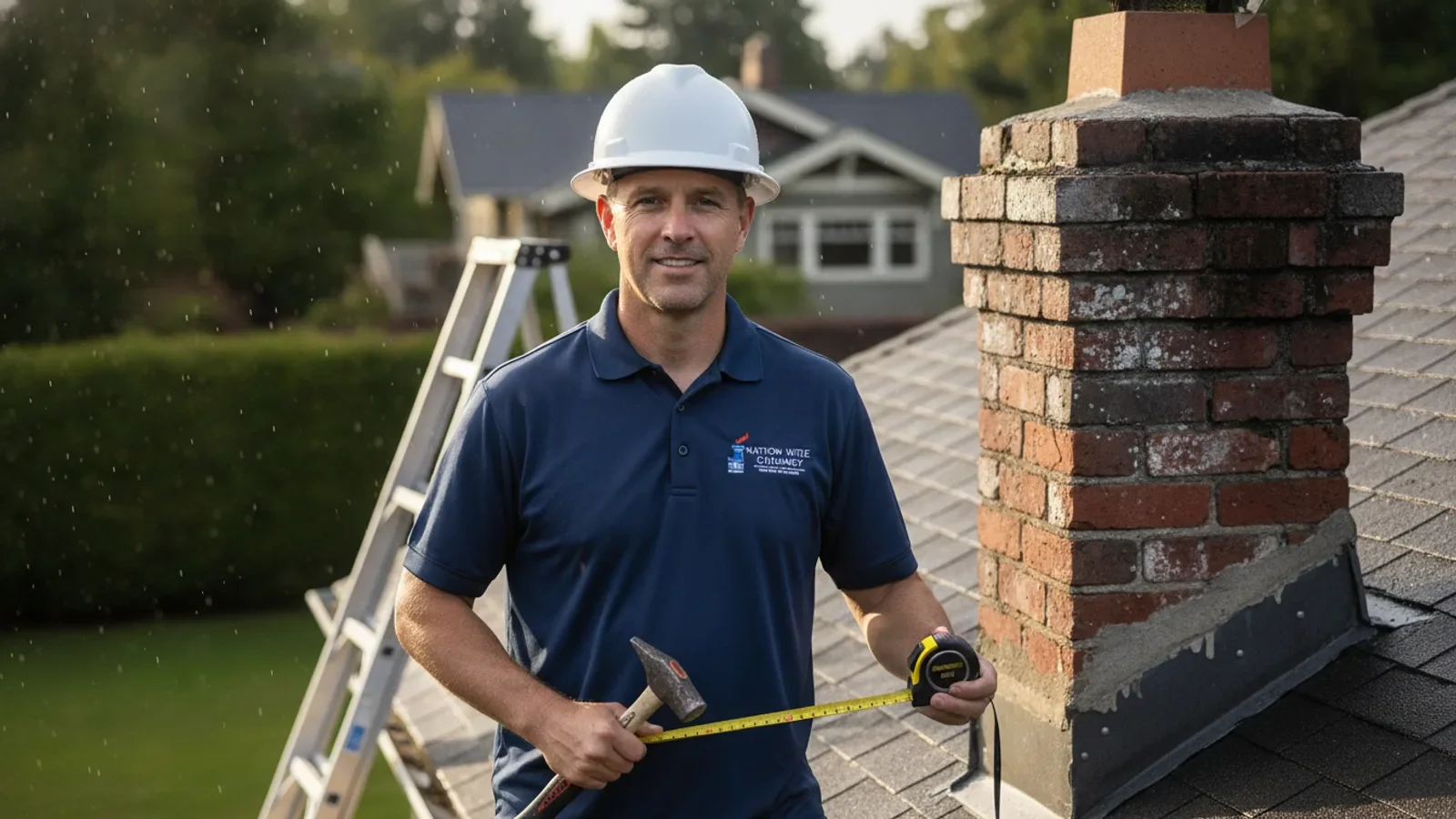
After your preliminary check, the best course of action is to schedule a professional evaluation. A certified technician can safely access your roof to perform a close-up physical inspection of the crown, flashing, and brickwork, and use specialized cameras to check the interior of your flue. Learn more about protecting your home’s exterior by reading our guide on how to prevent chimney leaks in Seattle.
Ready for the next step? Learn how chimney repair services in Seattle can help and reach out to the team.
Frequently Asked Questions
How often should I have my Seattle chimney inspected for water damage?
We recommend having your chimney inspected at least once a year, preferably in the late summer or early autumn before the heavy Pacific Northwest winter rains begin. This allows any minor cracks or mortar wear to be addressed while the brickwork is dry.
Can I apply standard hardware store water repellent to my chimney?
No, standard silicone-based water sealers should not be used on chimneys. These products create a non-porous film that traps water vapor inside the brick, which accelerates freeze-thaw damage from the inside out. Professional waterproofing requires a breathable, siloxane-based formula that allows vapor to escape while blocking liquid water.
Why is water leaking into my fireplace when it rains?
Water intrusion is usually caused by a cracked chimney crown, damaged roof flashing, or a missing chimney cap. When these barriers fail, rainwater can run down the exterior masonry or directly down the flue, eventually pooling in the firebox or damaging the surrounding walls.
What is the difference between tuckpointing and repointing?
Repointing is the actual physical process of removing damaged mortar and replacing it with new mortar to restore structural integrity. Tuckpointing is a cosmetic finishing technique where a thin line of contrasting mortar is placed in the center of the joint to create the illusion of perfectly straight, narrow joints.
Keep Your Seattle Home Dry and Safe
Seattle’s continuous rain and damp maritime air require vigilant home maintenance, particularly when it comes to your chimney’s masonry. Ignoring small signs of wear can lead to water intrusion, damaged framing, and eventual structural failure. By paying attention to the health of your bricks, mortar, and crown, you can enjoy a safe, dry, and warm home for decades to come.
Ready to ensure your chimney is fully prepared for the next rainy season? Contact Nation Wide Chimney Sweep&Repair to schedule a comprehensive evaluation with our experienced team. Whether you need a simple crown seal, repointing, or a full system inspection, we are here to help protect your home from the elements.