5 Signs You Need Chimney Sweep Service in Seattle
How do I know if my fireplace needs to be cleaned? If you are asking this question, you are likely noticing subtle changes in how your fireplace smells, burns, or drafts. In Seattle, where damp air and frequent use combine to create rapid soot buildup, ignoring these indicators can quickly lead to safety hazards. Discovering the warning signs early ensures your home remains safe, efficient, and ready for the next cold stretch.
When you use your fireplace, wood combustion releases byproducts that cling to the interior of your flue. Over time, these residues form a highly combustible substance known as creosote. Recognizing the early physical indicators that your venting system is struggling is the best way to prevent dangerous chimney fires and draft issues. Keeping a close eye on these changes helps you schedule timely chimney cleaning before a minor issue turns into an expensive hazard.
1. Oily, Asphalt-Like Odors When the Fireplace is Idle
One of the most common physical indicators that your chimney is overdue for a cleaning is a distinct, unpleasant smell coming from the hearth when no fire is burning. This odor is often described as smelling like fresh asphalt, campfires, or stale charcoal. The scent is the result of heavy creosote accumulation inside your flue liner. On warm, humid days, or during the typical rainy periods we experience in western Washington, the damp air draws these concentrated odors down into your living spaces.
As creosote ages and thickens, it transitions through different physical states, each presenting unique risks. You can read more about how this material changes over time in our guide on the creosote buildup stages. When the smell becomes noticeable throughout your living room, it means the buildup has reached a thickness that requires mechanical removal. Ignoring this smell means you are allowing highly flammable fuel to sit directly in the path of rising sparks.
2. Excessive Smoke Backing Up Into the Room
A properly functioning venting system relies on a strong upward draft to pull smoke, carbon monoxide, and other combustion byproducts safely out of your home. If you light a fire and notice smoke billows out of the hearth and into your living room, your system is experiencing a draft restriction. While this can sometimes be caused by a closed damper, a persistent draft issue often points to a restricted flue passageway.
If you want it handled correctly the first time, consider professional chimney cleaning in Seattle.
Soot, nesting materials, or loose masonry debris can physically block the path of rising gases. When the pathway is narrowed, the smoke has nowhere to go but backward into your home. This is more than a nuisance that ruins your furniture; it introduces invisible carbon monoxide into your living spaces. Regular maintenance from a professional chimney sweep seattle technician resolves these draft issues by clearing out obstructions and restoring the natural upward pull of your venting system.
3. The Wood Burns Slowly or is Difficult to Light
Have you noticed that your fireplace fires seem sluggish, take an unusually long time to catch, or smolder without producing much heat? A fire requires a steady, abundant supply of oxygen to burn cleanly and efficiently. If your chimney flue is restricted by thick layers of soot and creosote, the airflow is choked off, starving the fire of the oxygen it needs.
When wood burns inefficiently due to poor airflow, it produces significantly more smoke and accelerated soot buildup, creating a dangerous cycle. You end up burning more wood while getting less heat, all while accelerating the rate of dangerous deposits inside your flue. Ensuring your venting system is swept clean allows air to flow freely, restoring clean combustion and maximizing the warmth your fireplace produces.
4. Heavy Moisture and Spalling Brick in the Seattle Climate
Many Seattle homeowners rely on expert chimney cleaning in Seattle for exactly this.
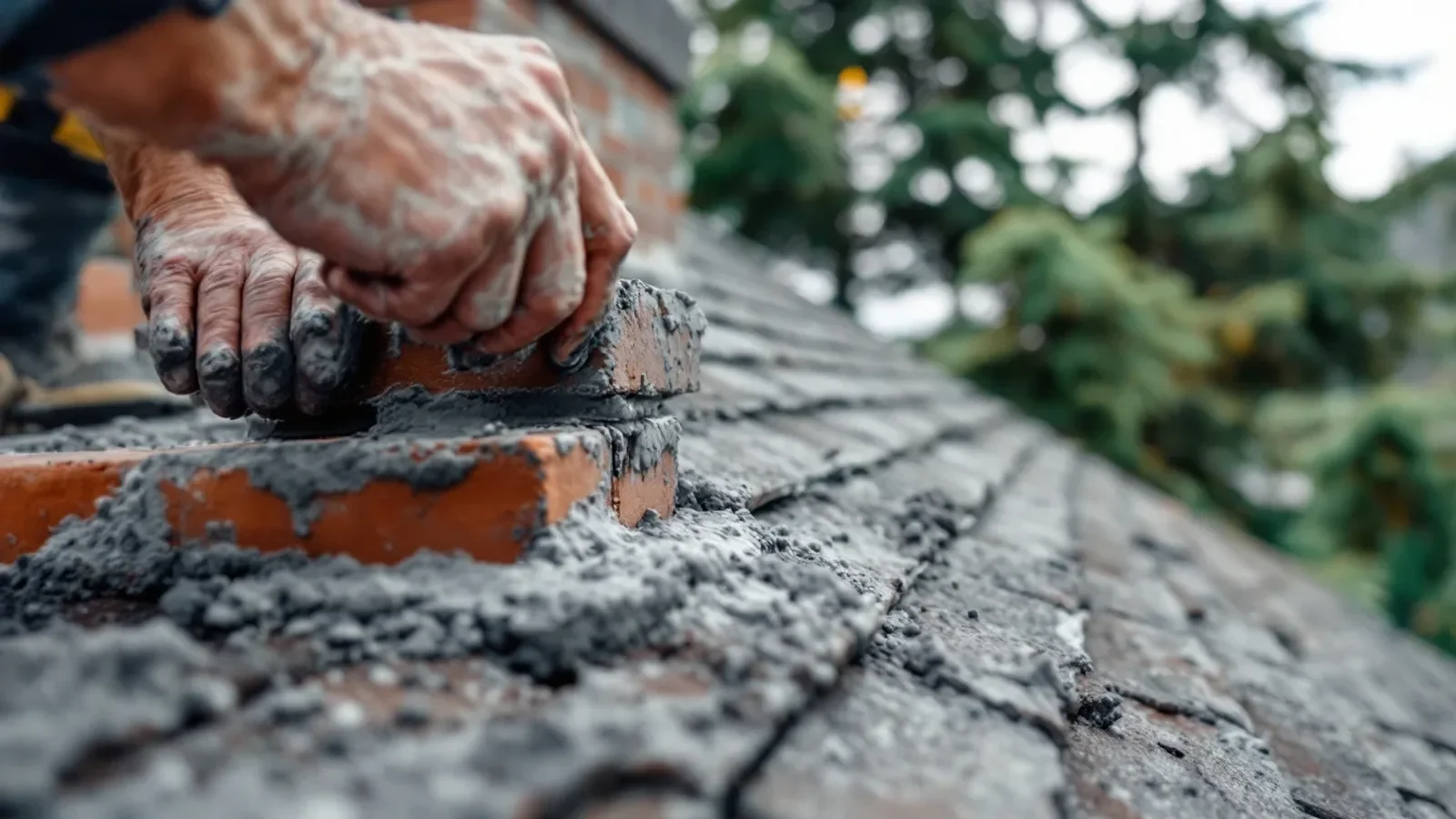
Seattle is famous for its relentless, damp winters and frequent freeze-thaw cycles. This local climate poses a unique challenge to masonry chimneys. When brick and mortar are constantly exposed to moisture, they act like a sponge, absorbing water deep into their porous structures. When temperatures drop below freezing, this trapped water expands, causing the faces of the bricks to crack, flake, and crumble, a process known as spalling.
If you notice bits of brick, sand, or mortar collecting on your fireplace floor, or if you see white, powdery staining (efflorescence) on the exterior of your chimney, your system is suffering from water damage. Moisture also accelerates the corrosive nature of soot deposits inside the flue, eating away at metal liners and clay tiles. Local homes require specialized care to combat this dampness, which is why regular inspections are so critical. You can learn more about what our technicians look for during these assessments by reading our Seattle chimney inspection checklist.
5. Black, Flaky Deposits Falling Into the Hearth
If you peer inside your fireplace and notice black, flaky, or crusty material shedding down onto your damper or hearth floor, your chimney is giving you a direct physical warning. This material is stage two creosote, which has flaked off the interior walls of your flue. It is highly flammable and indicates that the buildup has reached a critical thickness.
When these flakes begin to fall, it means the draft is actively carrying loose combustible material close to your open flame. A single stray spark can ignite these deposits, leading to a dangerous flue fire that can crack your clay liner or spread to the wooden framing of your home. If you see these dark, crusty flakes, you should avoid using your fireplace entirely until a professional has thoroughly cleaned and inspected the system.
Frequently Asked Questions
Ready for the next step? Learn how chimney cleaning services in Seattle can help and reach out to the team.
How often should I have my chimney swept in Seattle?
It is highly recommended to have your system inspected and swept at least once a year, preferably before the heavy burning season begins in the autumn. Even if you do not use your fireplace frequently, local moisture, nesting pests, and slow soot accumulation can still create hazards that require professional attention.
Can I clean my own chimney to save on maintenance?
While some basic maintenance tasks can be done by homeowners, thorough sweeping requires specialized brushes, vacuums, and safety equipment to safely remove sticky creosote without releasing toxic dust into your home. A professional sweep also performs a visual safety assessment of your flue liner that a homeowner cannot easily replicate.
What happens if I ignore the signs that my chimney needs sweeping?
Neglecting these signs increases the risk of a dangerous chimney fire, carbon monoxide intrusion, and severe structural deterioration. Over time, moisture and acidic soot will destroy masonry and metal liners, turning a simple maintenance task into a major restoration project.
Protect Your Seattle Home This Season
Recognizing the physical warning signs of soot accumulation is the first step in keeping your home and family safe. If you have noticed draft issues, unusual odors, or falling soot in your fireplace, it is time to schedule a professional evaluation. Contact Nation Wide Chimney Sweep & Repair today to ensure your system is clean, safe, and ready for the chilly days ahead.