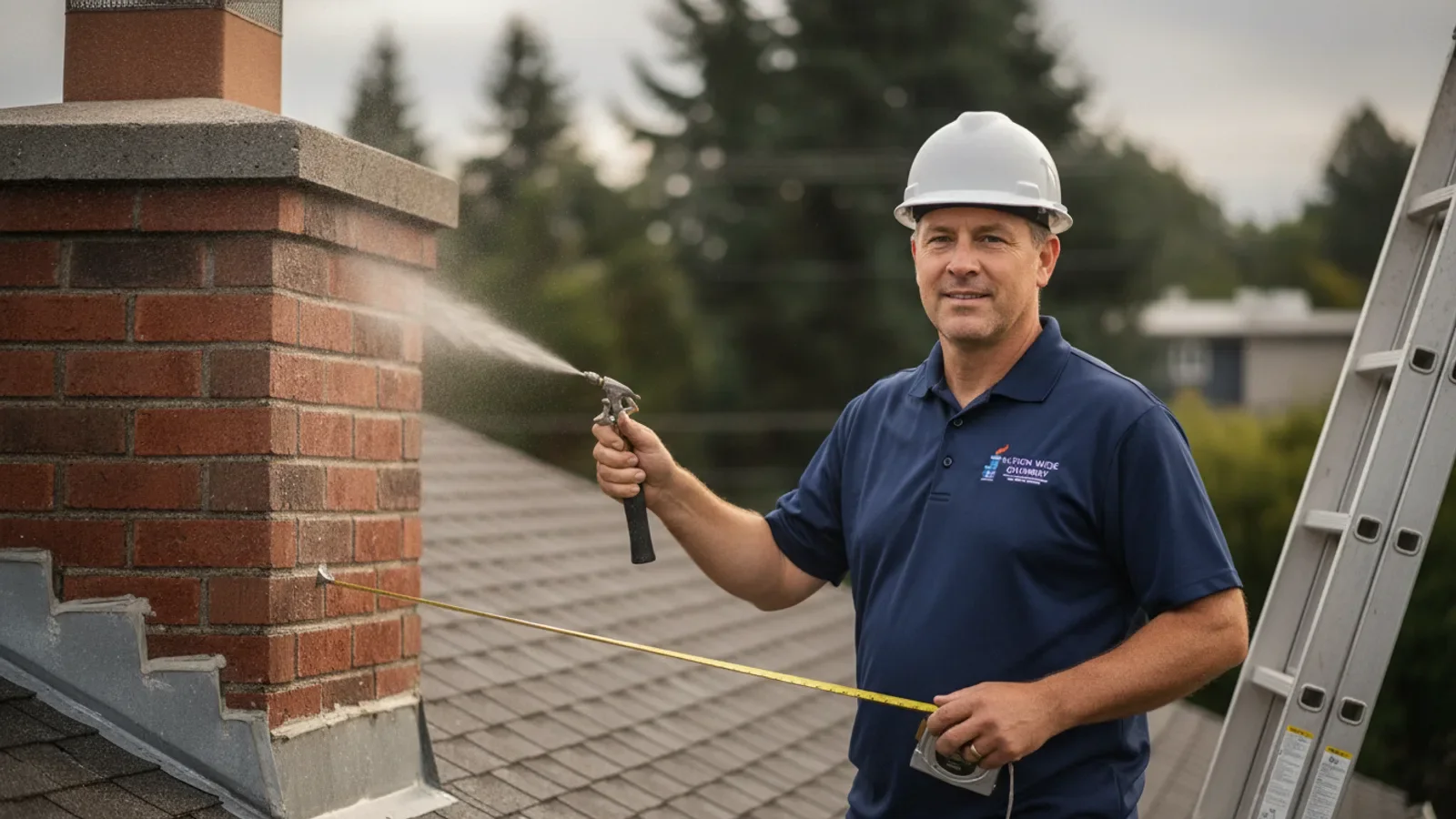
Evaluating Seattle Chimney Cleaning Needs: What Happens if You Skip Your Annual Sweep?
You strike a match on a chilly, drizzly evening, expecting the comforting crackle of a warm fire, but instead, a sharp, smoky backdraft fills your living room, leaving a lingering smell of damp soot. In Seattle, where the damp marine climate interacts constantly with our fireplaces, keeping your flue clear is more than just a matter of convenience. Regular chimney cleaning is a fundamental maintenance task that directly impacts your home safety, heating efficiency, and structural integrity. Skipping this essential service can lead to quiet, compounding damage that turns a cozy winter feature into a serious hazard.
As the primary resource for local homeowners, Nation Wide Chimney Sweep&Repair is dedicated to keeping your fireplace operating safely. In this guide, we will break down the exact physical, structural, and financial consequences of neglecting your annual maintenance, helping you make informed decisions about your home care.
The Direct Consequences of Skipping Your Annual Chimney Sweep
When wood burns, it releases combustion byproducts that rise through the flue. Over time, these gases cool and condense on the inner walls of your chimney, creating a highly flammable, dark substance known as creosote. Skipping your regular chimney maintenance allows this material to accumulate unchecked.
Creosote buildup does not stop at a light coating of soot. It progresses through multiple physical phases, changing from a flaky, easily brushable powder into a thick, sticky tar, and finally into a hardened, highly combustible glaze. When this glaze is exposed to high temperatures, it can easily ignite, leading to an active chimney fire. Because these fires often burn quietly inside the flue, you might not even realize one has occurred until a professional inspection reveals fractured flue tiles and melted metal components.
To understand how this buildup evolves over time, you can read our detailed breakdown on creosote buildup stages in Seattle to learn how to identify these dangerous transformations before they compromise your safety.
How Seattle Dampness Accelerates Masonry Deterioration
Our Pacific Northwest climate introduces unique challenges to brick and mortar structures. Seattle is famous for its persistent, light rainfall and high relative humidity, which directly accelerate the degradation of a neglected chimney system. When soot and creosote are allowed to sit in a damp flue, they absorb moisture from the humid air, forming highly acidic compounds that slowly eat away at your chimney liner and mortar joints.
This moisture absorption creates a perfect storm during our cold winter months through the freeze-thaw cycle. Water enters the tiny pores of your bricks and mortar, expands as it freezes, and then contracts as it thaws. If the chimney is already weakened by acidic soot buildup, this cycle causes the masonry to crack, flake, and crumble. Regular chimney cleaning removes these corrosive residues, preventing them from holding moisture against your vulnerable brickwork.
If you want it handled correctly the first time, consider professional chimney cleaning in Seattle.
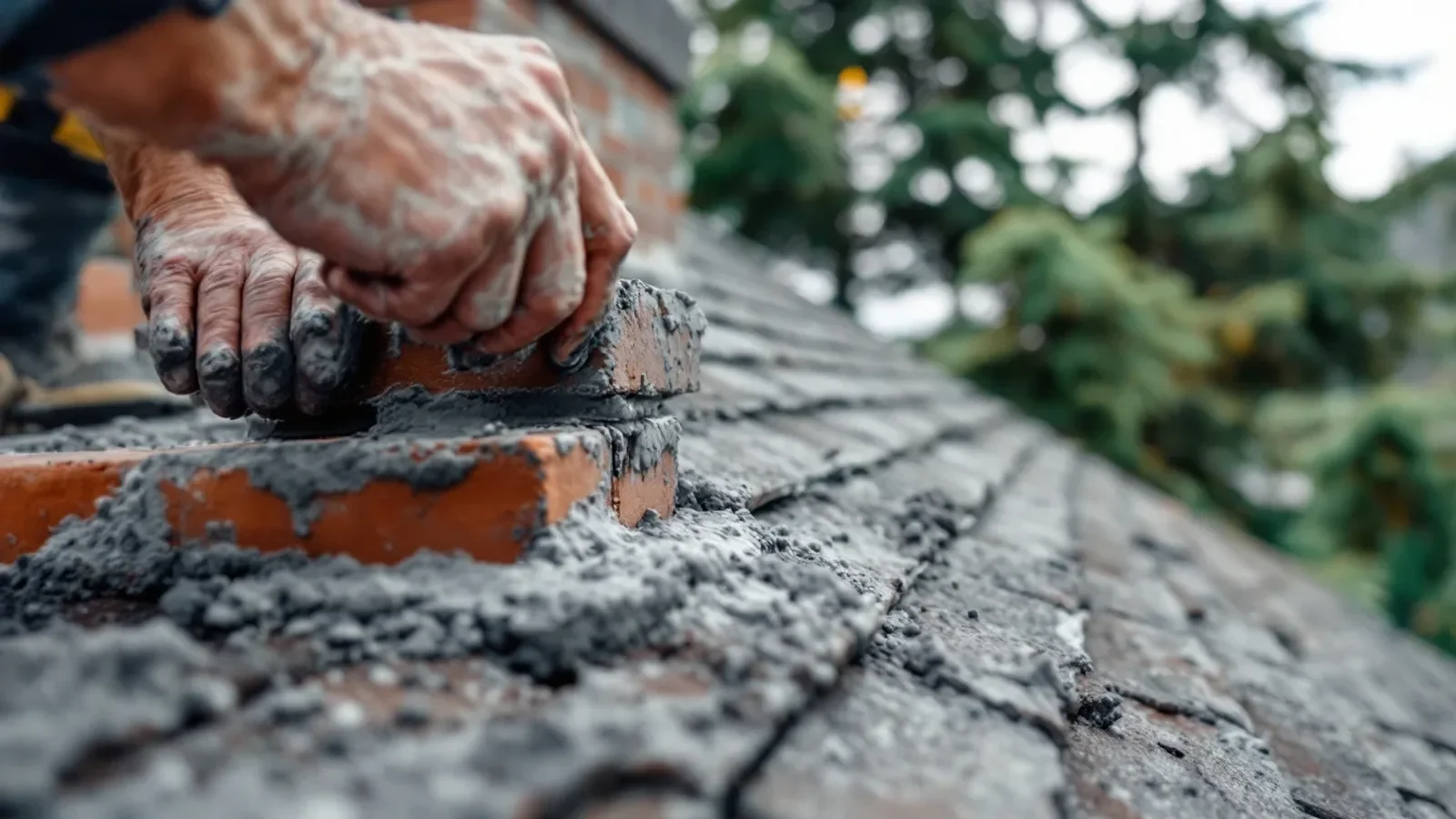
When structural damage occurs, it often requires extensive tuckpointing or masonry rebuilding to restore the physical stability of the chimney stack and prevent water from leaking into your home ceiling and walls.
The Risks of Carbon Monoxide and Poor Indoor Drafts
A chimney is a carefully balanced ventilation system designed to draw exhaust gases up and out of your living space. As creosote and soot build up on the interior walls of your flue, the functional diameter of the passage shrinks. This restriction disrupts the natural draft, making it difficult for smoke and toxic gases to escape.
A restricted flue increases the risk of carbon monoxide backdrafting into your home. Carbon monoxide is an odorless, colorless gas that can accumulate quietly in your living spaces when a fireplace cannot draft properly. Additionally, birds, squirrels, and local pests often view neglected chimneys as ideal nesting spots, creating physical blockages that can completely seal off your ventilation. Regular maintenance ensures that these obstructions are cleared, restoring safe, clean drafts throughout the burning season.
Signs Your Fireplace Is Overdue for Professional Maintenance
Your fireplace often provides subtle warnings before a complete ventilation failure occurs. Recognizing these signs early can save you from costly repairs and hazardous operating conditions. Homeowners should look out for the following red flags:
- A strong, campfire-like odor coming from the hearth even when no fire is lit.
- Visible, dark soot or greasy, black tar dripping down the back wall of the firebox.
- Difficulty getting a fire started or keeping it burning due to poor airflow.
- Thick, billowing smoke entering the room instead of rising cleanly up the flue.
- Small pieces of black, flaky creosote or crumbling bits of clay tile falling onto the hearth.
If you notice any of these indicators, it is important to schedule an inspection immediately. You can review our full guide on the signs you need a chimney sweep in Seattle for a comprehensive list of warning signs to watch for around your hearth.
The Local Seattle Masonry Market and Climate Challenges
Many Seattle homeowners rely on expert chimney cleaning in Seattle for exactly this.
Seattle housing stock is incredibly diverse, ranging from historic Craftsman bungalows in Queen Anne and Capitol Hill built in the early 1900s to modern, contemporary homes in Ballard and West Seattle. This wide range of construction styles means that local chimneys vary significantly in age, materials, and structural condition. Older homes often feature unlined brick chimneys that are highly susceptible to mortar decay, while newer homes may utilize factory-built metal flues that require specific cleaning techniques to avoid scratching the stainless steel liners.
The coastal air and constant moisture in the Puget Sound region mean that local chimneys face much higher humidity levels than those in drier, inland areas of Washington. This constant dampness makes annual inspections and sweeping critical. Local building codes and safety standards in King County highly recommend professional chimney maintenance to prevent residential structure fires and to ensure compliance with local clean air regulations regarding wood-burning appliances.
Comparing DIY Chimney Sweeping vs. Professional Care
Some homeowners consider purchasing consumer-grade brushes to clean their flues themselves. However, a comparison between DIY attempts and professional service reveals significant differences in safety, thoroughness, and long-term protection.
| Service Aspect | DIY Chimney Sweeping | Professional Chimney Sweep Service |
|---|---|---|
| Equipment Quality | Basic plastic brushes and extendable rods from home improvement stores. | HEPA-filtered dust containment vacuums, specialized rotary brushes, and video cameras. |
| Safety Protocols | High risk of roof falls, dust inhalation, and soot contamination in the home. | Certified technicians, full liability insurance, and comprehensive dust control. |
| Inspection Depth | Limited to what is visible from the hearth or top of the crown. | Full multi-point check of masonry, flashing, flue liners, and damper functionality. |
| Creosote Removal | Only removes light, flaky soot; ineffective against hardened glaze creosote. | Removes all stages of creosote safely without damaging the underlying flue liner. |
As shown above, professional care goes far beyond simply running a brush down a pipe. Professional technicians utilize advanced tools to locate hidden cracks and structural weaknesses that a homeowner might easily miss. If you are preparing for a professional visit, you can read about our recommended post-chimney sweep care in Seattle to ensure your living space remains clean and ready for use.
How Regular Sweeping Prevents Costly Structural Repairs
Neglecting your annual sweep does not just create a safety hazard, it also damages your wallet. When acidic soot and moisture are left to sit in the flue, they degrade the chimney liner, whether it is made of clay tiles, metal, or cast-in-place masonry. Replacing a damaged chimney liner or addressing structural cracking is a complex, major project that is far more demanding than simple, preventative maintenance.
When issues are caught early during an annual sweep, minor wear can be addressed through targeted seattle chimney inspections and affordable maintenance steps. Protecting your chimney system from severe deterioration requires a proactive approach. For comprehensive care, you can schedule our professional chimney cleaning services to keep your system clean, safe, and efficient year-round.Ready for the next step? Learn how chimney cleaning services in Seattle can help and reach out to the team.
Frequently Asked Questions
How often should I have my chimney cleaned in Seattle?
It is highly recommended to have your chimney swept and inspected at least once a year, preferably before the fall burning season begins. Even if you do not use your fireplace frequently, an annual check ensures that nesting pests, wind-blown debris, and moisture-related decay have not compromised your flue.
What are the signs of a chimney fire?
An active chimney fire often produces a loud roaring sound, similar to a freight train or a low-flying jet. You may also notice dense, dark smoke pouring from the top of the stack, a strong burning smell, and sparks or embers flying onto your roof. If you suspect a chimney fire, evacuate your home immediately and call 911.
Does a gas fireplace need chimney cleaning?
Yes, while gas fireplaces do not produce creosote, they still require annual inspections and light cleaning. Debris, spider webs, and nesting materials can block gas vents, while moisture can cause the interior flue liner to corrode or flake, creating draft blockages that can push carbon monoxide into your home.
How long does a professional chimney cleaning take?
A standard professional cleaning and inspection typically takes between forty-five minutes to an hour and a half. This timeframe can vary depending on the amount of creosote buildup, the height and accessibility of your chimney, and whether any minor blockages or repairs need to be addressed during the service.
Protect Your Seattle Home with Professional Care
Skipping your annual chimney sweep exposes your home to unnecessary risks, from dangerous creosote fires and carbon monoxide hazards to costly masonry damage caused by our damp Northwest climate. Taking a proactive approach to your fireplace maintenance is the best way to ensure safe, worry-free warmth throughout the coldest months of the year.
If you are ready to secure your chimney for the upcoming season, contact Nation Wide Chimney Sweep&Repair today to schedule your annual inspection and sweeping with our experienced, local technicians.