Fireplace Maintenance Tips: Post-Sweep Care for Seattle Homes
You hear the soft patter of rain against the windowpane, grab a mug of hot coffee, and strike a match to light a cozy evening fire. If you have recently had a professional sweep come through, your flue is clear of dangerous soot and blockages. However, maintaining that clean, efficient burn throughout our long, damp Pacific Northwest winters requires consistent, daily habits. Taking care of your hearth between professional visits preserves your masonry, keeps your indoor air clean, and prevents rapid soot accumulation.
After investing in professional chimney cleaning to clear away combustible residues, your daily burning habits dictate how quickly those deposits return. By implementing a few straightforward fireplace maintenance tips, you can enjoy a safer hearth, optimize your firewood usage, and reduce the wear and tear that leads to premature masonry deterioration.
Daily Burning and Fuel Selection Checklist
The materials you put into your firebox directly impact how long your flue stays clean. Wet, resinous wood smothers your fire, produces excessive smoke, and causes rapid soot accumulation inside your flue. Follow these fuel and burning practices to keep your system running cleanly:
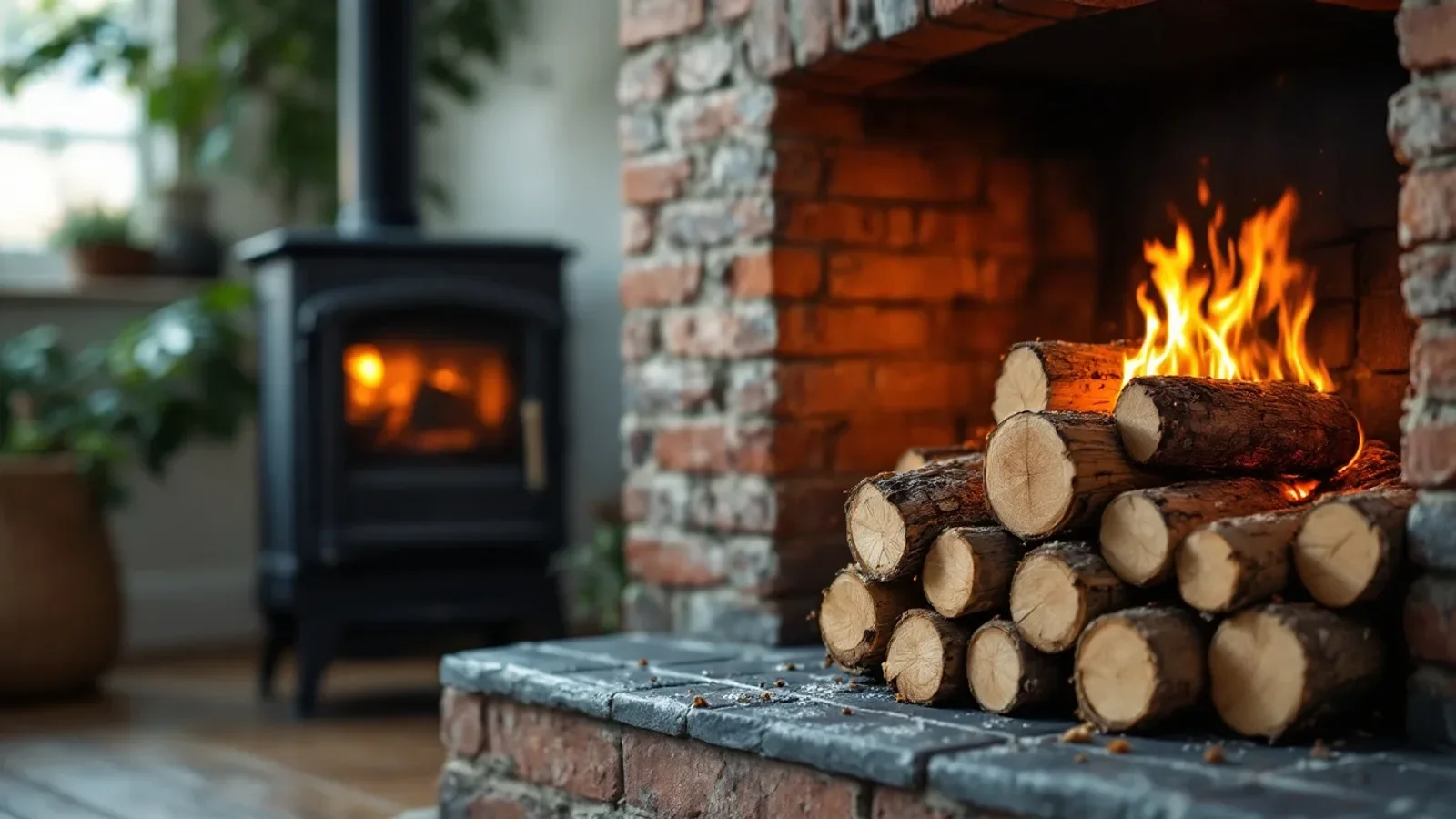
- Select only seasoned firewood with a moisture content below twenty percent to ensure complete combustion and minimal smoke.
- Avoid burning local softwoods like freshly cut Douglas fir or western red cedar unless they have been split and seasoned in a dry area for at least one to two years.
- Never burn trash, treated lumber, painted wood, cardboard, or wrapping paper, as these release corrosive chemicals that can damage your clay liner or metal flue.
- Burn hot, bright fires rather than slow, smoldering ones to minimize the formation of sticky black deposits on your flue walls.
- Split logs into smaller pieces (three to six inches in diameter) to allow better airflow and encourage a more efficient, hotter burn.
- Check the color of your exhaust outside; white steam is normal in cold weather, but thick, dark smoke indicates incomplete combustion and rapid soot buildup.
Safe Ash Management and Grate Care Checklist
Ashes insulate the bottom of your firebox, which can help reflect heat back into the room, but too much ash restricts airflow and creates a messy hazard. Managing your fireplace floor is a key part of your fireplace maintenance tips routine:
If you want it handled correctly the first time, consider professional chimney cleaning in Seattle.
- Leave a thin, one-inch layer of ash at the bottom of the firebox during the burning season to insulate the coals and make the next fire easier to light.
- Clean out excess ash when it begins to obstruct the grate or blocks the lower draft vents.
- Scoop ashes only when they are completely cold, using a metal shovel and placing them into a dedicated, heavy-duty metal container with a tight-fitting lid.
- Store the metal ash container outdoors on a non-combustible surface, such as concrete or brick, well away from wooden decks, siding, or combustible materials.
- Inspect your fireplace grate regularly for warping, cracking, or sagging, which can cause burning logs to shift unexpectedly.
- Keep the grate centered in the firebox to ensure proper draft circulation around and beneath the wood pile.
Damper and Draft Optimization Checklist
Your damper controls the movement of air and exhaust through your system. Operating it correctly prevents smoke from spilling into your living room and keeps heated indoor air from escaping when the fireplace is idle:
- Open the throat damper fully before striking a match, ensuring you can see clear up into the flue path.
- Prime a cold flue by holding a lit roll of newspaper near the open damper for a minute to establish an upward draft before lighting your main firewood stack.
- Leave the damper wide open throughout the entire duration of the burn to allow combustion gases to escape freely.
- Close the damper tightly only after the fire is completely extinguished and no hot coals remain, preventing cold outdoor drafts from entering your home.
- Inspect the damper blade regularly to ensure it moves smoothly and seals tightly against its frame without binding or sticking.
- Install a top-sealing damper if your throat damper is warped or cracked, which helps prevent conditioned air loss during the chilly rainy season.
Exterior Masonry and Surrounds Maintenance Checklist
Many Seattle homeowners rely on expert chimney cleaning in Seattle for exactly this.
While the inside of your flue requires professional attention, you can easily monitor and maintain the exterior elements of your hearth to catch minor issues before they escalate into major problems:
- Wipe down the fireplace glass doors using a damp cloth dipped in clean ash to gently scrub away cloudy soot deposits without scratching the surface.
- Check the brickwork inside the firebox for loose mortar joints or hairline cracks that could allow heat to transfer to nearby wall studs.
- Inspect the hearth extension (the non-combustible floor area in front of the fireplace) for cracks, ensuring it remains free of rugs, toys, or decorations when a fire is lit.
- Clear a three-foot safety zone around the entire hearth, keeping blankets, furniture, and paper products well away from stray sparks.
- Test your smoke alarms and carbon monoxide detectors monthly, changing the batteries at least once a year to ensure your household is protected.
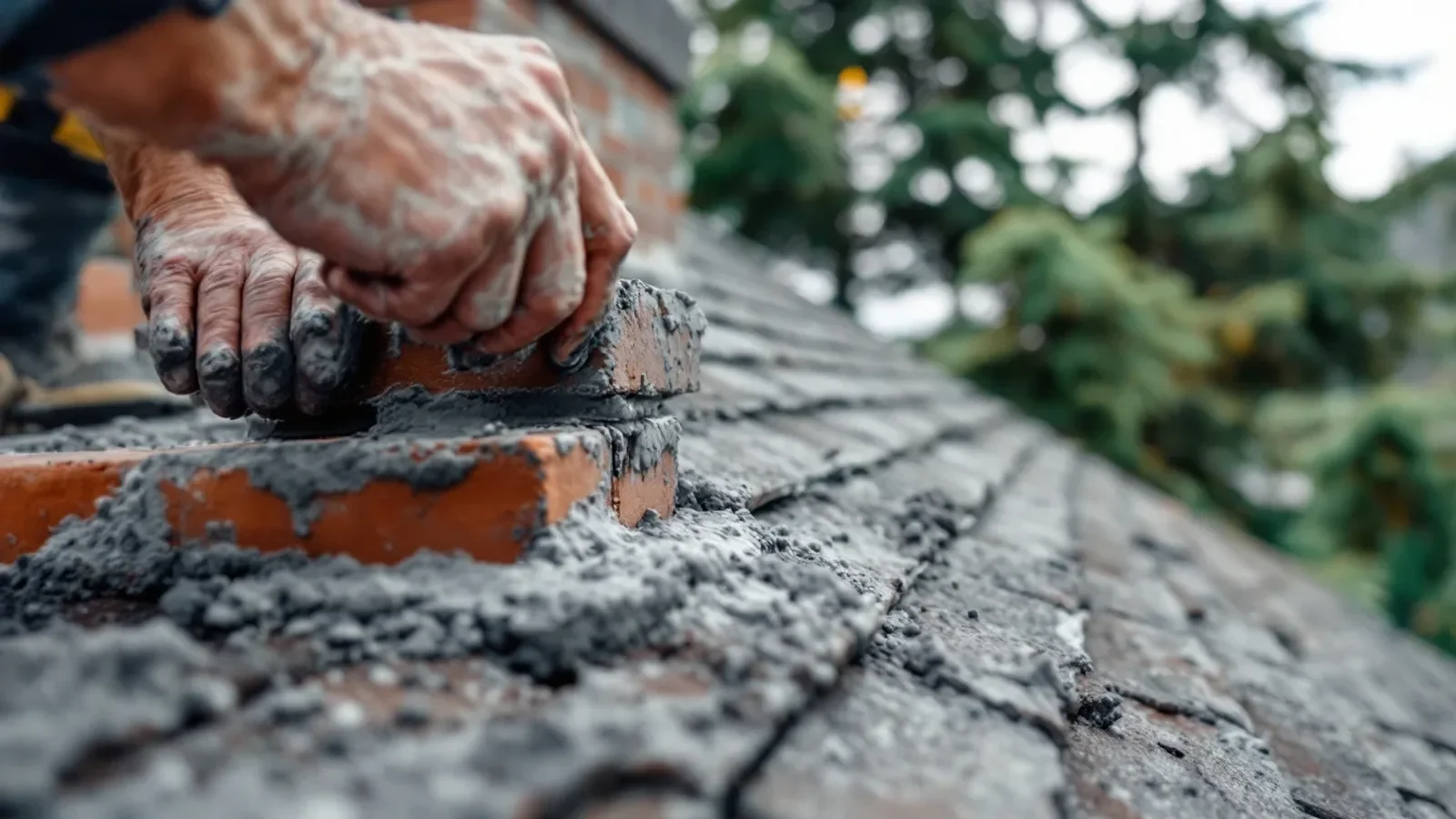
- Schedule professional chimney help if you notice crumbling mortar or draft issues, as addressing these early can prevent the need for extensive structural repairs down the road.
Seattle-Specific Environmental and Structural Considerations
Our unique Pacific Northwest climate shapes how fireplaces behave and how quickly they degrade. The combination of persistent rain, high humidity, and moderate winter temperatures creates distinct challenges for local fireplaces:
- Monitor the damp winter air, which can cause seasoned wood stored outdoors to absorb ambient moisture; always store your firewood elevated off the wet ground and under a waterproof cover with open sides for airflow.
- Check for musty odors coming from your fireplace during rainy weeks, which often indicates water penetration through a failing chimney cap or cracked crown.
- Examine exterior brickwork for efflorescence, a white powdery salt deposit left behind when Seattle’s frequent rains soak into porous masonry and evaporate.
- Inspect the flashing around your roofline after heavy windstorms to ensure the damp climate isn’t driving water into your attic space through loose seals.
- Address minor masonry gaps quickly, as our local freeze-thaw cycles can cause trapped rainwater to expand and accelerate brick spalling.
- Consider a comprehensive evaluation if you notice persistent draft issues on windy days, which may require a chimney cap upgrade to handle coastal wind patterns.
Frequently Asked Questions
Ready for the next step? Learn how chimney cleaning services in Seattle can help and reach out to the team.
How often should I clean out the ashes from my fireplace?
You should clean out the ashes when they build up to the point of touching the fireplace grate or blocking the draft. However, leaving a shallow, one-inch layer of ash at the bottom of the firebox actually helps insulate the coals and makes it easier to start your next fire.
Why does my fireplace smell bad when it rains in Seattle?
High humidity and rain can draw musty odors and soot smells down into your living room. This often happens because wet air is heavy, creating a downdraft that carries the smell of old soot deposits inside, which can be mitigated by keeping your damper closed when the fireplace is not in use or using a top-sealing damper.
Can I burn cedar or pine in my fireplace?
While cedar and pine are abundant in Washington, they contain high amounts of sap and resin. Burning them soft or unseasoned causes rapid creosote accumulation and a higher risk of sparks; if you do use them, ensure they are thoroughly dried and used primarily as kindling rather than your main fuel source.
A Consistent Routine for a Safer Hearth
By implementing these fireplace maintenance tips, you can enjoy a highly efficient, clean-burning fire all winter long while protecting your chimney from early deterioration. To ensure your system remains safe and fully functional, keep a close eye on your brickwork and follow a detailed structural inspection checklist to catch potential issues early. If you notice persistent draft problems, water leaks, or damaged bricks, reach out to a professional chimney sweep seattle team to schedule a diagnostic evaluation and keep your home safe.