Signs Your Seattle Chimney Needs Tuckpointing (Before the Damage Gets Worse)
What does it actually look like when mortar joints start to fail? That question brings a lot of Seattle homeowners to this page, usually after noticing something that doesn’t look quite right on their chimney stack. The short answer: failing mortar rarely announces itself loudly. It tends to show up as a thin crack here, a soft crumbling edge there, a faint stain on the brick that wasn’t there last spring. In the Pacific Northwest, those subtle signs carry more urgency than they might in a drier climate, because Seattle’s rain, moss, and freeze-thaw cycles turn minor mortar wear into serious structural problems faster than most homeowners expect.
Why Seattle Mortar Joints Deteriorate Faster Than You’d Think
Mortar is the softer material by design. In any masonry chimney, the mortar joints are meant to absorb movement and moisture so the bricks themselves don’t crack. That works well in moderate climates. In Seattle, though, the mortar is under near-constant stress.
The city averages roughly 150 days of measurable rainfall per year, and the marine climate means that moisture doesn’t just fall from the sky, it lingers in the air, soaks into porous masonry surfaces, and sits there. When temperatures drop below freezing, even briefly, that trapped water expands. The freeze-thaw cycle in the greater Seattle area may not be as dramatic as in colder inland regions, but it is persistent. A chimney that goes through dozens of minor freeze-thaw events over a single winter accumulates damage that compounds year after year.
Older homes in neighborhoods like Beacon Hill, Wallingford, and the Central District often have chimneys built with lime-based mortars that are decades old. Those original mortars were formulated for the technology and standards of their era. Over time, they weather, soften, and recede. The bricks around them may still look solid from the street, but the joints holding everything together can be in poor shape. That combination of aging materials and a wet Pacific Northwest climate is exactly why tuckpointing comes up so often in Seattle chimney repair conversations. For a broader look at how structural issues develop and what full repair involves, see our Seattle chimney repair guide.
The Warning Signs Homeowners Actually Notice
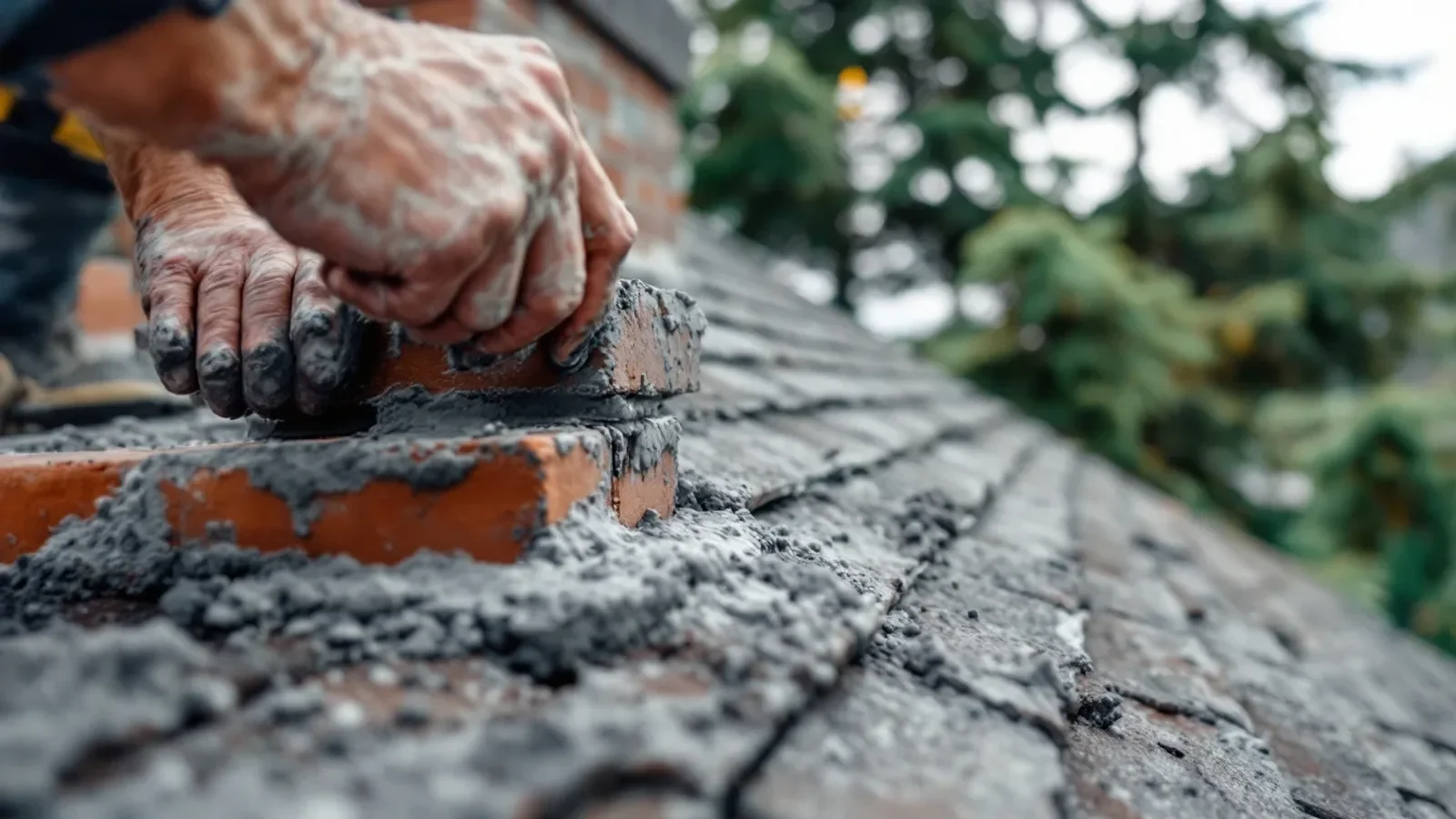
Tuckpointing is the process of removing deteriorated mortar to a specific depth and packing fresh mortar into those joints. It restores the structural integrity of the chimney and, critically, seals out the moisture that causes progressive damage. But knowing when tuckpointing is the right call means recognizing what deteriorating mortar looks like in practice.
The most obvious sign is visible recession. If you can run your finger along a mortar joint and feel it sitting noticeably below the face of the brick, the joint has worn down enough to let water pool and penetrate. Joints that are recessed more than a quarter inch are generally past the point where weathering alone explains it; they need attention.
Crumbling or soft mortar is another clear indicator. Healthy mortar is firm. If you press on a joint and it gives, flakes, or crumbles away with light pressure, the mortar has lost its binding strength. This is common on the upper sections of Seattle chimneys, which take the most direct weather exposure, but it can appear anywhere on the stack.
If you want it handled correctly the first time, consider professional chimney repair in Seattle.
Efflorescence, the white chalky residue that appears on brick surfaces, is a sign that water has been moving through the masonry and depositing mineral salts as it evaporates. It doesn’t always mean the mortar is failing, but it confirms that moisture is penetrating the chimney, and failing joints are frequently the entry point. If you’re seeing efflorescence alongside joint recession, the two together point clearly toward tuckpointing.
Spalling bricks, where the face of the brick flakes or pops off, can follow from neglected mortar joints. Once water gets into the masonry system and the freeze-thaw cycle works on it long enough, the bricks themselves begin to delaminate. At that stage, the repair scope expands beyond tuckpointing. Catching mortar deterioration before it damages the brick faces is one of the strongest arguments for addressing joints early. Our article on tuckpointing versus full chimney rebuilding walks through how inspectors determine which approach a chimney actually needs.
Interior water stains near the fireplace or on the ceiling around the chimney chase are worth taking seriously too. Water finding its way inside often travels through compromised mortar joints before it ever reaches a point where you’d see it from the ground. By the time staining appears indoors, the moisture intrusion has usually been ongoing for some time.
What Seattle’s Housing Stock Tells Us About Chimney Risk
Seattle’s residential neighborhoods contain a significant number of homes built between the 1920s and 1960s, and many of those homes have their original masonry chimneys. Craftsman bungalows in Columbia City, brick Tudor-styles in Ravenna, and mid-century homes throughout West Seattle frequently have chimneys that have never received mortar restoration. That’s not unusual; well-built chimneys can go decades before tuckpointing becomes necessary. But decades have passed, and the combination of age and Seattle’s climate means a large share of older chimneys in the city are at or past the point where mortar work is overdue.
Homes built after the 1980s are less likely to have the same mortar age concerns, but they’re not immune. Poor original workmanship, inadequate chimney caps, or years without inspection can accelerate joint deterioration regardless of a chimney’s age. Seattle’s moss and lichen growth, which is more aggressive here than in drier climates, can also work into mortar joints and accelerate breakdown.
Washington State building codes and local Seattle regulations govern chimney construction and repair standards, and requirements can vary depending on the scope of work and the age of the structure. If you’re planning any masonry repair, it’s worth confirming with a licensed professional what permits or inspections apply to your specific project, since code requirements shift and a professional familiar with Seattle’s permitting environment will know what’s current.
The wet climate also means that water damage from neglected mortar joints tends to move faster here than in regions with drier winters. What might be a slow-developing problem elsewhere can become a significant structural concern within a few seasons in Seattle. Our piece on how Seattle’s wet weather accelerates chimney water damage covers that progression in detail.
Many Seattle homeowners rely on expert chimney repair in Seattle for exactly this.
How a Professional Evaluates Mortar Joint Condition
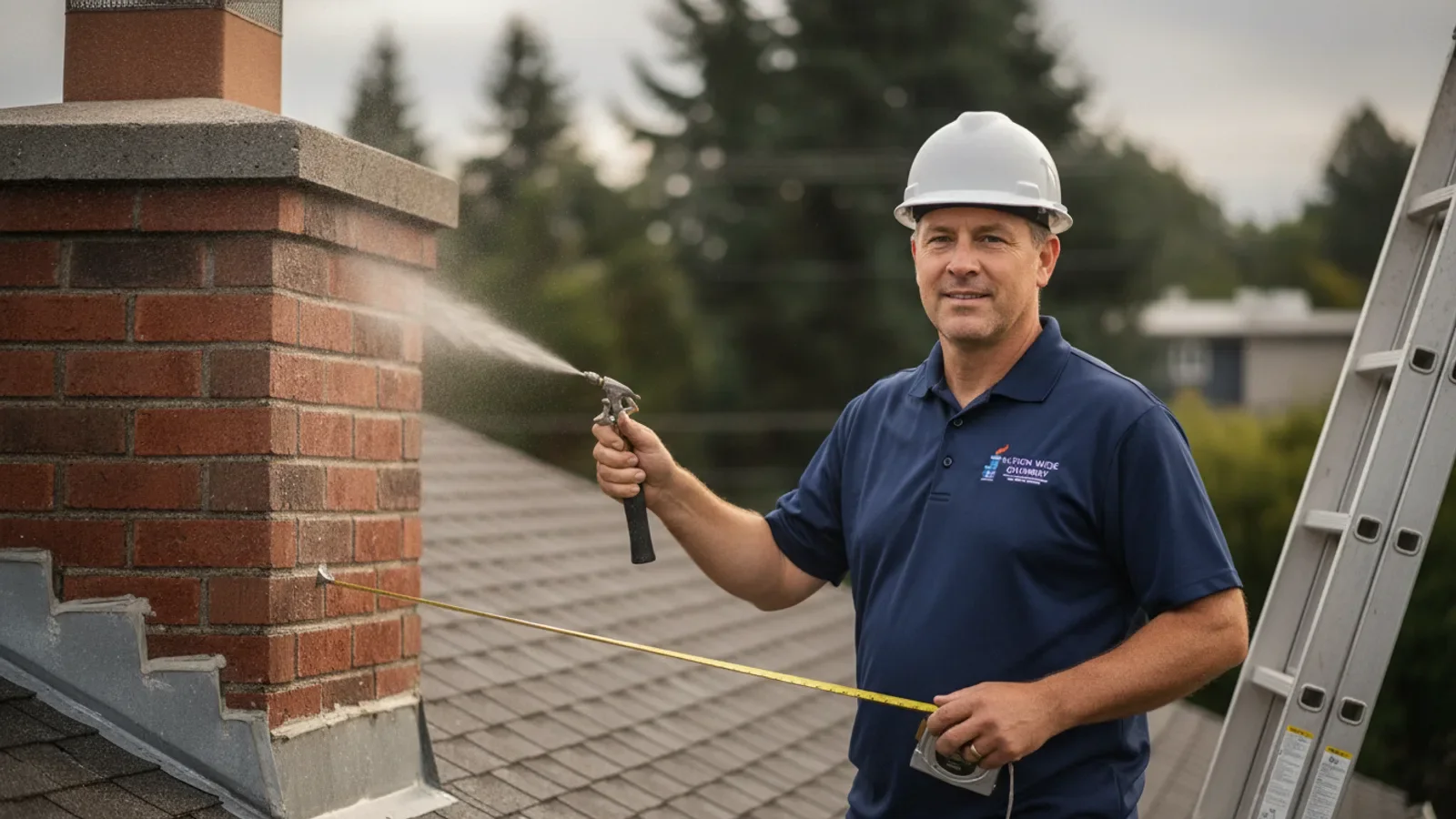
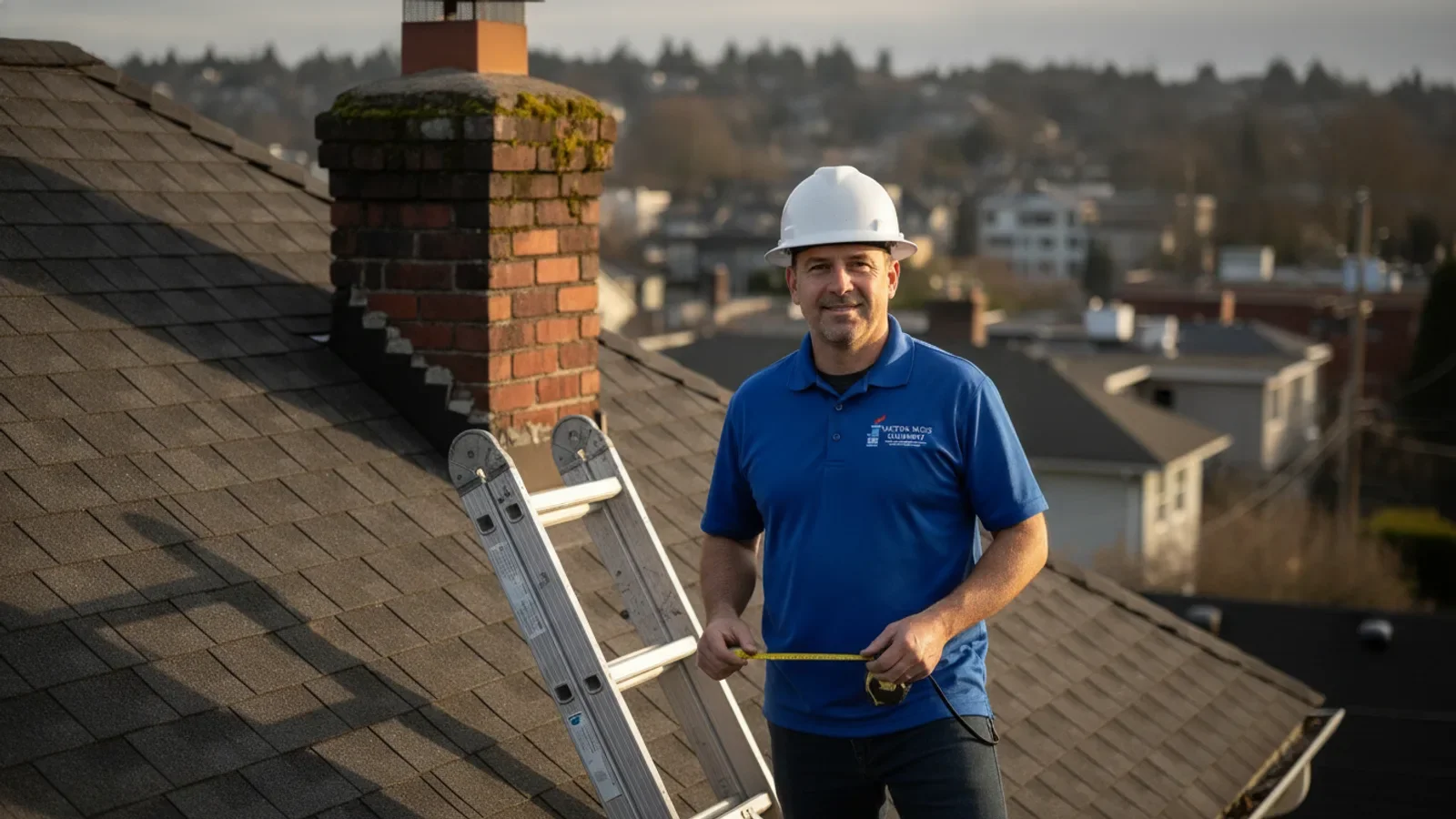
A qualified chimney inspector doesn’t just look at the chimney from the ground. A proper evaluation involves getting eyes on the mortar joints up close, often from the roof, and using a probe to test joint depth and hardness. The inspector is looking for recession depth, the consistency and hardness of the remaining mortar, any cracking patterns that suggest movement or settling, and whether moisture has already worked its way into the masonry system.
In Seattle, a thorough inspection also looks at the chimney cap and crown condition, because a missing or cracked cap allows water to pour directly into the flue and accelerates mortar deterioration from the inside out. Flashing condition matters too. Many water intrusion problems that appear to originate in the mortar joints actually have a flashing component, and addressing only the joints without checking the flashing can mean the problem returns.
The inspection report should tell you clearly which joints are affected, how deep the deterioration runs, and whether the damage is localized or widespread across the chimney. Localized deterioration, common on the weather-facing side of a chimney or near the crown where water pools, can often be addressed with targeted tuckpointing. Widespread joint failure across the full chimney typically requires a more comprehensive approach. For a full breakdown of what goes into evaluating repair scope, the chimney repair Seattle overview covers the diagnostic process in depth.
What to Expect During Tuckpointing Work
The tuckpointing process begins with removing the deteriorated mortar to a consistent depth, typically around three-quarters of an inch, using grinders or chisels. The goal is to get back to sound mortar without damaging the brick faces. The joints are then cleaned out thoroughly before new mortar is packed in. The mortar mix used for the repair needs to match the original masonry’s composition as closely as possible, particularly in older Seattle homes where the original bricks may be softer and a mortar that’s too hard can actually cause the bricks to crack under stress.
Curing time matters. Fresh mortar needs adequate time to set and cure properly, and in Seattle’s damp conditions, that timeline can be affected by humidity and temperature. A professional doing this work in the Pacific Northwest will account for those conditions rather than rushing the job.
After tuckpointing is complete, a chimney waterproofing sealant is often applied to the masonry surface. This adds a layer of protection against Seattle’s persistent moisture without trapping vapor inside the masonry, which would cause its own set of problems. Our article on preventing chimney leaks after repair goes into what post-tuckpointing care looks like and how to keep the work lasting as long as possible.
Ready for the next step? Learn how chimney repair services in Seattle can help and reach out to the team.
Frequently Asked Questions
How do I know if my chimney needs tuckpointing or a full rebuild?
The distinction usually comes down to how deep and widespread the mortar damage is, and whether the bricks themselves are structurally sound. Tuckpointing addresses deteriorated mortar joints while the brick remains intact. If the bricks are cracked, spalling severely, or the chimney has shifted structurally, a partial or full rebuild may be necessary. A hands-on inspection by a licensed chimney professional is the only reliable way to determine which scope applies to your chimney.
Can I do tuckpointing myself on my Seattle chimney?
Mortar work on a chimney involves working at height, selecting the correct mortar mix for your specific masonry, and achieving consistent joint depth and finish. Errors in mortar composition can damage older bricks over time, and incomplete joint removal leaves the underlying problem in place. For a chimney, where structural integrity and moisture resistance both depend on the quality of the work, professional tuckpointing is the practical choice for most homeowners.
How long does tuckpointing last in Seattle’s climate?
When done correctly with the right mortar mix and proper joint preparation, tuckpointing can last many years before the joints need attention again. Seattle’s wet climate does put more stress on masonry than drier regions, so regular inspections every few years help catch any early wear before it progresses. Keeping a chimney cap in good condition and ensuring proper flashing significantly extends the life of tuckpointing work.
What happens if I wait to address failing mortar joints?
Deteriorating mortar allows water to penetrate deeper into the masonry system with each passing season. In Seattle, where rain and freeze-thaw cycles are consistent, that progression can move from cosmetic joint recession to brick spalling and interior water damage within a few seasons. Addressing mortar joints while the bricks are still sound is almost always less involved than repairing or rebuilding after the bricks themselves have been compromised.
Getting the Right Assessment for Your Chimney
If you’ve noticed any of the signs described here, crumbling joints, white staining, soft mortar, or water finding its way inside, the practical next step is a professional inspection. Seattle chimneys take a lot of weather, and the ones that hold up well over the long term are the ones that get evaluated regularly and repaired before small issues compound into large ones.
Nation Wide Chimney Sweep and Repair works with Seattle homeowners across the city’s neighborhoods, from older masonry chimneys in historic districts to more recent construction that’s showing early wear. If your chimney is showing signs of mortar deterioration, reach out to schedule an inspection and get a clear picture of what your chimney actually needs.