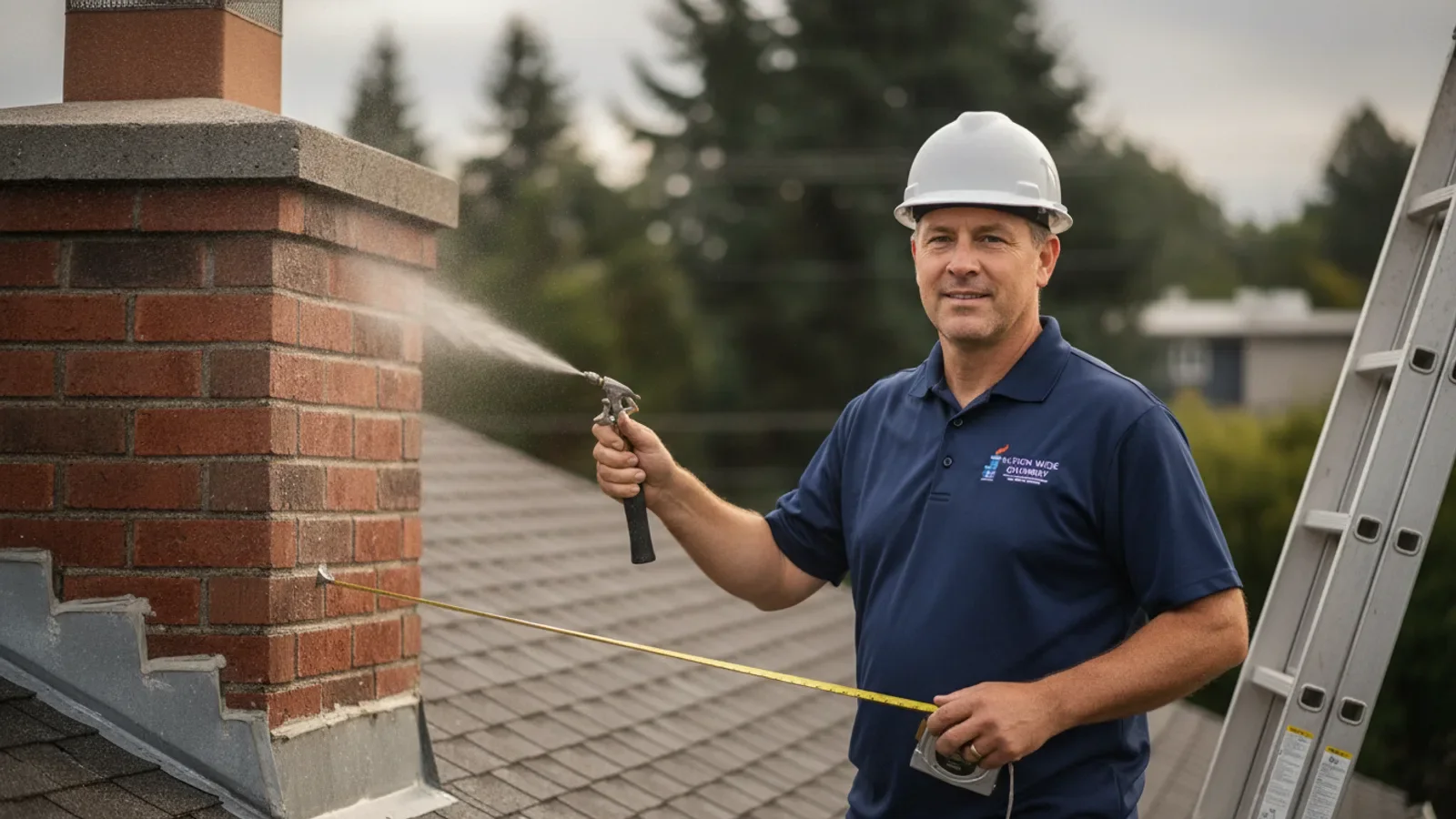
What Factors Determine Seattle Chimney Repair Costs
A chimney that looks fine from the living room can be quietly losing structural integrity in ways that compound every rainy season. In Seattle, where the combination of persistent moisture, freeze-thaw cycles, and aging masonry stock creates conditions that accelerate deterioration, putting off a repair rarely saves money. Small cracks admit water; water expands when it freezes; expanded cracks invite more water. By the time visible damage appears at the firebox or along interior walls, the scope of work has often grown well beyond what an earlier inspection would have caught. Understanding what actually drives repair costs in the Seattle area helps you read a contractor’s quote with clear eyes, ask the right questions, and avoid surprises once work begins.
Before You Start: What to Gather Before Requesting a Quote
- The age of your home and, if known, the chimney (many Seattle homes built before 1970 have unreinforced brick masonry).
- Any visible symptoms: staining on interior walls or ceilings, efflorescence on exterior brick, mortar that crumbles when pressed, or a damaged or missing chimney cap.
- Your roof pitch and chimney height above the roofline (affects scaffolding decisions).
- Whether you have a single-flue or multi-flue chimney, and what appliances are connected to it.
- Records of prior repairs or inspections, if available.
- Photos taken from ground level on all four sides of the chimney.
Gathering this information before a technician arrives helps them arrive prepared and gives you a baseline for comparing what different contractors identify as the scope of work. For a broader look at how professionals diagnose structural problems, see our complete guide to chimney repair in Seattle.
Step 1: Understand the Role of a Chimney Inspection
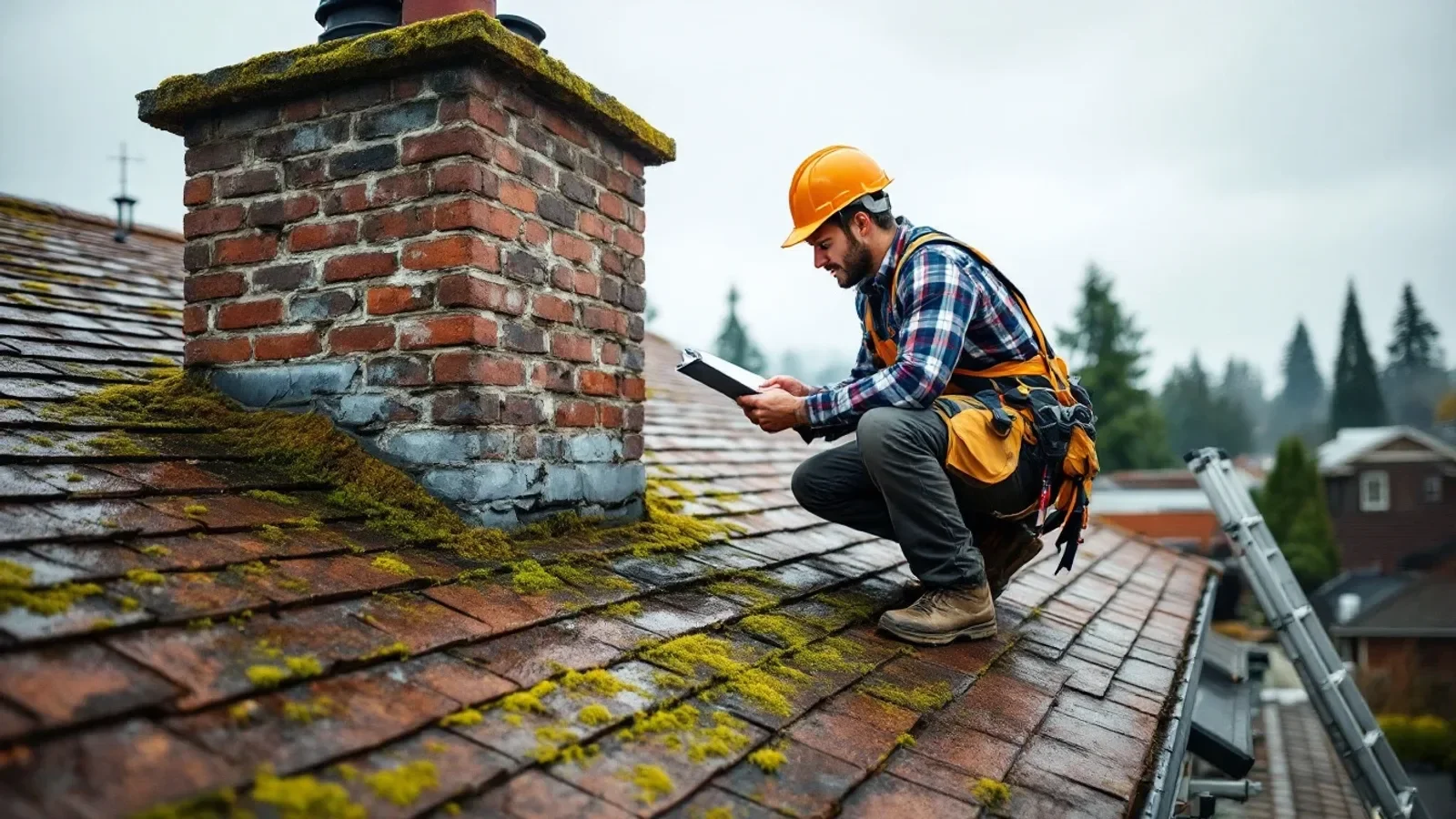
Repair costs cannot be accurately estimated without a thorough inspection first. In Seattle’s climate, surface-level damage frequently masks deeper deterioration. A Level II inspection, which includes a video scan of the flue liner, is often warranted before any masonry work is quoted, particularly for chimneys that have not been assessed in several years. The inspection determines whether you are dealing with localized mortar joint failure, crown damage, liner deterioration, or a combination of issues. Each of those conditions calls for a different repair approach, and each carries a different cost profile. Skipping the inspection to save money upfront often leads to a repair that addresses symptoms rather than causes. You can learn more about what a professional assessment involves by reviewing the warning signs that indicate tuckpointing is needed.
Step 2: Factor in the Type and Extent of Masonry Damage
The single largest variable in any chimney repair quote is the nature and extent of the damage. Masonry repairs fall along a spectrum, and where your chimney falls on that spectrum directly determines labor hours and material volume.
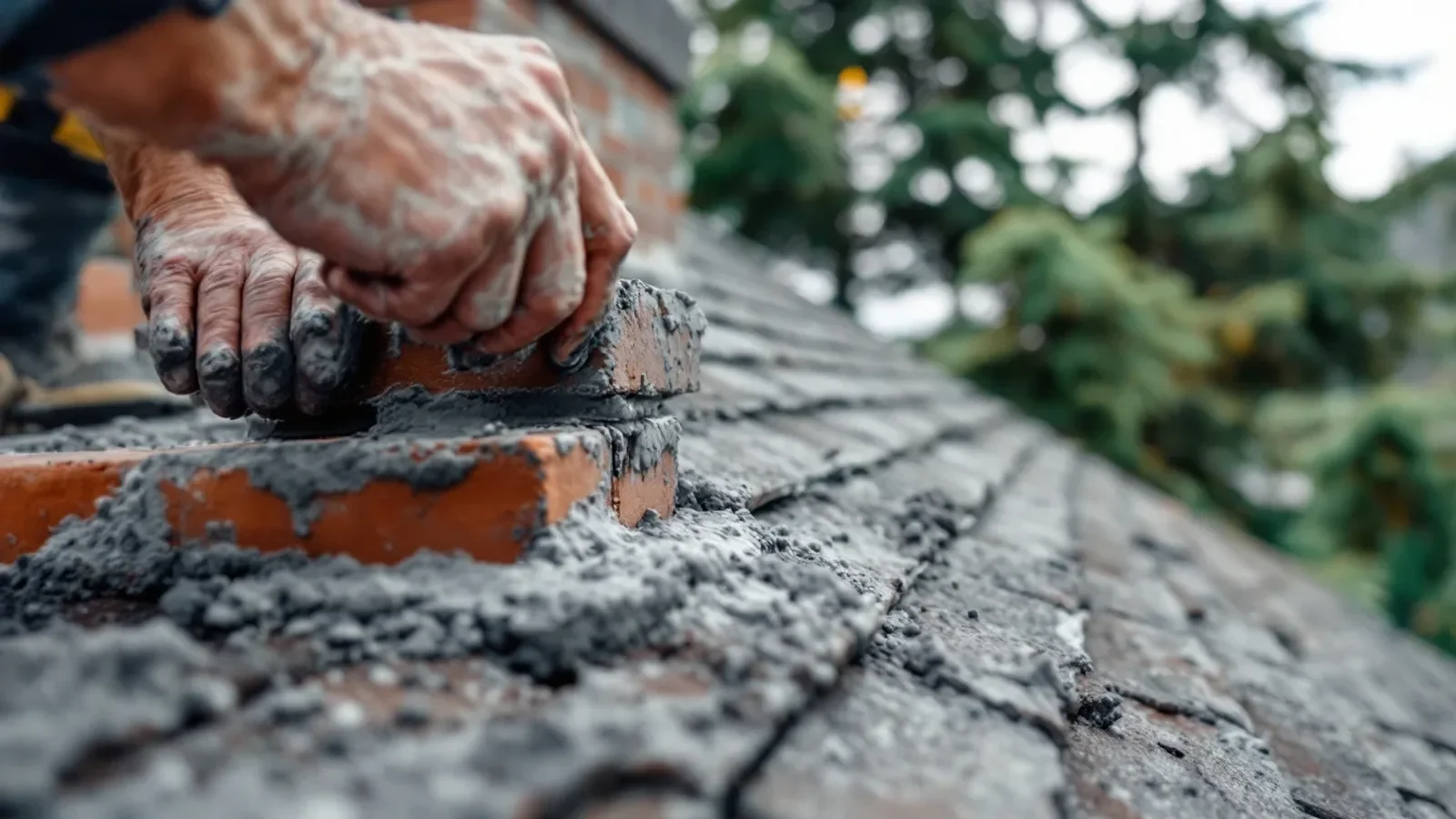
- Mortar joint repointing (tuckpointing): Removing deteriorated mortar and replacing it with fresh mix is the most common repair for Seattle chimneys. The cost scales with how many linear feet of joints need attention and how deep the deterioration runs.
- Crown repair or replacement: The concrete or mortar cap at the top of the chimney takes direct weather exposure. Cracked or eroded crowns are extremely common in the Pacific Northwest. A full crown replacement involves more material and labor than a sealant application to minor surface cracks.
- Spalled brick replacement: When individual bricks have absorbed enough water to cause the face to flake or pop off, those units must be replaced. Matching older Seattle brick in color and texture adds complexity.
- Flue liner repair or relining: A cracked clay tile liner or a deteriorated mortar liner requires either section-by-section repair or full relining with a stainless steel or cast-in-place system. This is typically the most involved repair category.
- Firebox rebuilding: Deteriorated firebrick and refractory mortar inside the firebox require specialized materials rated for sustained high heat.
A repair that addresses only mortar joints on the upper two feet of the chimney is a fundamentally different project from one that involves liner relining and partial brick replacement. Your quote should itemize these components so you understand what you are paying for.
Step 3: Account for Roof Pitch, Chimney Height, and Access Conditions
Labor costs in Seattle are directly affected by how safely and efficiently a crew can reach the work area. A chimney on a low-slope ranch-style roof with a short stack above the roofline is straightforward to access. A tall chimney on a steeply pitched roof, common in older Craftsman and Tudor-style homes throughout neighborhoods like Madrona, Capitol Hill, and Laurelhurst, requires additional safety measures.
If you want it handled correctly the first time, consider professional chimney repair in Seattle.
- Scaffolding: When the chimney height, roof pitch, or surrounding landscaping makes ladder work unsafe, scaffolding must be erected and removed. This adds both material rental and labor time to the project.
- Roof jacks and staging boards: For moderate pitches, temporary staging on the roof surface may suffice, but setup and teardown still add time.
- Ground-level obstructions: Mature trees, decks, or tight side-yard clearances that limit where a ladder or scaffold can be positioned increase setup complexity.
When comparing quotes, ask each contractor specifically how they plan to access the chimney and what safety equipment they will use. A lower quote that assumes no scaffolding when the roof clearly warrants it is not a fair comparison to a quote that includes proper access equipment.
Step 4: Evaluate Masonry Material Choices and Their Cost Implications
Not all mortar mixes, brick, or repair materials are equivalent, and the choice of materials affects both the upfront cost and the longevity of the repair. This matters particularly in Seattle, where the wrong mortar specification can fail within a few seasons.
- Mortar type compatibility: Historic Seattle brick is often softer than modern brick and requires a mortar that is softer than the brick itself. Using a hard Portland-heavy mix on older masonry can cause the bricks to spall. A contractor who specifies the correct mortar type for your chimney’s age and brick hardness is doing more careful work, and that care has value.
- Hydraulic lime mortars: These are frequently appropriate for pre-1940s Seattle homes and tend to cost more than standard premixed mortars. They are also more vapor-permeable, which helps moisture escape rather than being trapped behind the joint.
- Brick sourcing: Matching salvaged or custom-ordered brick to existing older masonry takes more time and sometimes involves sourcing from specialty suppliers. This adds cost but produces a repair that is structurally and aesthetically consistent.
- Flue liner materials: Stainless steel liner systems, cast-in-place liner systems, and ceramic liner systems each have different material costs, installation labor requirements, and expected service lives.
For a deeper look at how material and method choices intersect, the tuckpointing versus rebuilding comparison walks through when each approach is appropriate.
Step 5: Recognize How Seattle’s Climate Creates Compounding Damage
Seattle’s climate is a specific cost driver that any local repair estimate should reflect. The city averages around 37 inches of rainfall annually, with the bulk falling between October and April. That sustained wet season, combined with temperatures that hover near freezing on winter nights, creates ideal conditions for freeze-thaw damage in masonry.
Water that enters a hairline crack in a mortar joint expands when it freezes, widening the crack. The next rain event pushes more water deeper. Over several seasons, what began as a minor repointing job can become a situation where bricks have shifted, the crown has cracked through, and water has reached the flue. Chimneys on Seattle homes that were built in the post-war construction boom of the late 1940s through 1960s are now old enough that original mortar has often reached or exceeded its service life, making them particularly vulnerable to this cycle. The guide to chimney water damage from Seattle’s wet weather explains this progression in detail and is worth reading before you finalize your repair scope.
When a contractor’s quote reflects this regional reality, specifically calling out moisture infiltration as a root cause and recommending a crown sealant or waterproofing treatment alongside structural repairs, that is a sign of thorough, locally informed work rather than upselling.
Many Seattle homeowners rely on expert chimney repair in Seattle for exactly this.
Step 6: Understand Permit and Code Requirements in Seattle
Some chimney repairs in Seattle require a building permit, particularly those that involve structural masonry work or full liner replacement. Requirements vary based on the scope of work and the type of appliance the chimney serves. A contractor operating properly in King County will identify whether a permit is required for your specific project and include permit fees in the quote or note them as a separate line item. Permit costs are not large relative to the total project, but their presence in a quote indicates the contractor intends to perform the work to code and have it inspected. Requirements can change, so it is always worth confirming current permit thresholds with the Seattle Department of Construction and Inspections or asking your contractor to clarify what applies to your project.
Step 7: Compare Quotes Fairly by Standardizing the Scope
One of the most common sources of confusion when evaluating chimney repair quotes is comparing proposals that do not describe the same scope of work. A quote that covers only the chimney crown and a quote that covers the crown plus the top three courses of mortar joints plus a cap replacement are not comparable on price alone.
- Ask each contractor to provide a written, itemized description of every task included.
- Confirm whether the quote includes cleanup and debris removal.
- Ask what happens if additional damage is discovered once work begins, and how change orders are handled.
- Verify that the contractor carries liability insurance and workers’ compensation coverage, which protects you if something goes wrong on your property.
- Ask about the warranty on labor and on materials separately, since they may differ.
The full chimney repair evaluation guide covers what to look for in a contractor’s qualifications and how to assess whether a proposed repair plan is structurally sound.
Step 8: Consider the Long-Term Cost of Deferred Maintenance
Chimney repair costs in Seattle do not exist in isolation from timing. A repair that is deferred through one more wet season frequently becomes a larger repair after it. Mortar joint work that might have been limited to the upper chimney can extend to lower courses once water has had another year to work its way down. A crown that needed patching can require full replacement once it cracks through. A liner that showed early deterioration can reach a point where it no longer meets safety requirements for continued use.
Beyond the masonry itself, water that enters a chimney can migrate into adjacent framing, insulation, and drywall. Those secondary repairs involve different trades and are not part of a chimney contractor’s scope. Addressing chimney issues promptly tends to contain the total cost of keeping the system in serviceable condition. After repairs are completed, the steps in preventing chimney leaks after repair can help extend the life of the work and reduce the frequency of future interventions.
When to Call a Professional in Seattle
Some chimney maintenance tasks, like checking that your damper opens and closes freely, clearing debris from around the base, or replacing a chimney cap that has simply blown off, are straightforward. Everything involving mortar, brick, liner components, or any work above the roofline warrants a licensed, insured professional. In Seattle specifically, the combination of roof pitch, wet conditions, and the age of much of the housing stock makes chimney work genuinely hazardous without proper equipment and training. If you notice any of the following, schedule a professional inspection before the next heating season:
Ready for the next step? Learn how chimney repair services in Seattle can help and reach out to the team.
- White staining (efflorescence) on exterior brick or mortar.
- Mortar that can be scratched away with a fingernail or that is visibly recessed behind the brick face.
- Water stains on the ceiling or walls near the chimney.
- A damaged, cracked, or missing chimney crown or cap.
- Any visible separation between the chimney and the house structure.
- A fireplace that produces more smoke inside the room than it used to.
Frequently Asked Questions
Does a steeper roof always mean a higher chimney repair cost in Seattle?
Not automatically, but roof pitch is one of the factors that determines whether scaffolding is required, and scaffolding adds both material and labor costs. A steep roof combined with a tall chimney stack is more likely to require full scaffolding than a low-slope roof with a short stack. Your contractor should assess access conditions during the inspection and reflect them in the quote.
How does the age of a Seattle home affect chimney repair scope?
Homes built before roughly 1960 often have chimneys constructed with softer historic brick and lime-based mortars that require specific repair materials to avoid causing additional damage. Older chimneys may also lack a proper flue liner by today’s standards, which can surface as a code issue during permitted work. Age alone does not determine cost, but it does affect material specifications and sometimes the complexity of matching existing masonry.
Is chimney waterproofing a separate cost from structural repairs?
Yes, waterproofing treatment is typically a separate line item. It involves applying a vapor-permeable sealant to the exterior masonry surface after structural repairs are complete and cured. In Seattle’s climate, it is often recommended alongside tuckpointing or crown work because it helps slow future moisture infiltration, but it does not substitute for structural repairs where mortar or masonry has already deteriorated.
What is the difference between a repair warranty and a materials warranty?
A labor warranty covers defects in the contractor’s workmanship, meaning if the repaired mortar joints fail prematurely because of how they were applied, the contractor addresses it. A materials warranty covers defects in the products themselves and is typically issued by the manufacturer. Ask for both in writing and clarify what each covers and for how long.
Can I get an accurate chimney repair estimate without an in-person inspection?
A rough range based on photos and a description is possible, but an accurate, bindable quote for chimney masonry work in Seattle requires an in-person assessment. Damage that appears minor from the ground or in photos often looks different up close, and the access conditions that affect labor costs cannot be fully evaluated remotely.
Getting a Clear Picture Before Work Begins
Chimney repair costs in Seattle reflect a specific combination of factors: the type and extent of masonry damage, the access conditions your roof and property present, the materials appropriate for your chimney’s age and construction, and the scope of work that a thorough inspection reveals. Understanding each of those drivers puts you in a much stronger position to evaluate quotes, ask meaningful questions, and make a decision based on value rather than just the bottom-line number.
Nation Wide Chimney Sweep and Repair serves homeowners throughout the Seattle area with inspections and masonry repair work tailored to the Pacific Northwest’s specific conditions. If you are ready to understand what your chimney actually needs, contact us to schedule an assessment and get a detailed, itemized quote for your specific situation.