Seattle Chimney Tuckpointing vs Rebuilding: Which Masonry Repair Does Your Home Actually Need?
Most people assume crumbling mortar automatically means a full chimney rebuild. In reality, the decision is more nuanced than that, and choosing the wrong path costs Seattle homeowners either unnecessary money or, worse, an underrepaired chimney that keeps deteriorating through every wet Pacific Northwest winter. Understanding the difference between tuckpointing and a structural rebuild is the single most useful thing you can do before calling a contractor.
Seattle’s climate is unusually hard on masonry. The city averages around 150 days of measurable rain per year, and the Puget Sound region’s mild but persistent freeze-thaw cycles, while less severe than mountain areas, are still enough to work water into hairline mortar cracks, expand them, and gradually compromise a chimney’s structural integrity. Homes built before the 1980s, which make up a large share of the housing stock in neighborhoods like Capitol Hill, Wallingford, Beacon Hill, and the Central District, often have original brick and mortar that has never been touched since construction. By the time visible deterioration appears on the exterior, the damage inside the mortar joints can already be significant.
This comparison breaks down both repair approaches so you can arrive at an informed conversation with your technician. For a broader look at diagnosing what your chimney actually needs, see our complete Seattle chimney repair guide.
What Is Chimney Tuckpointing?
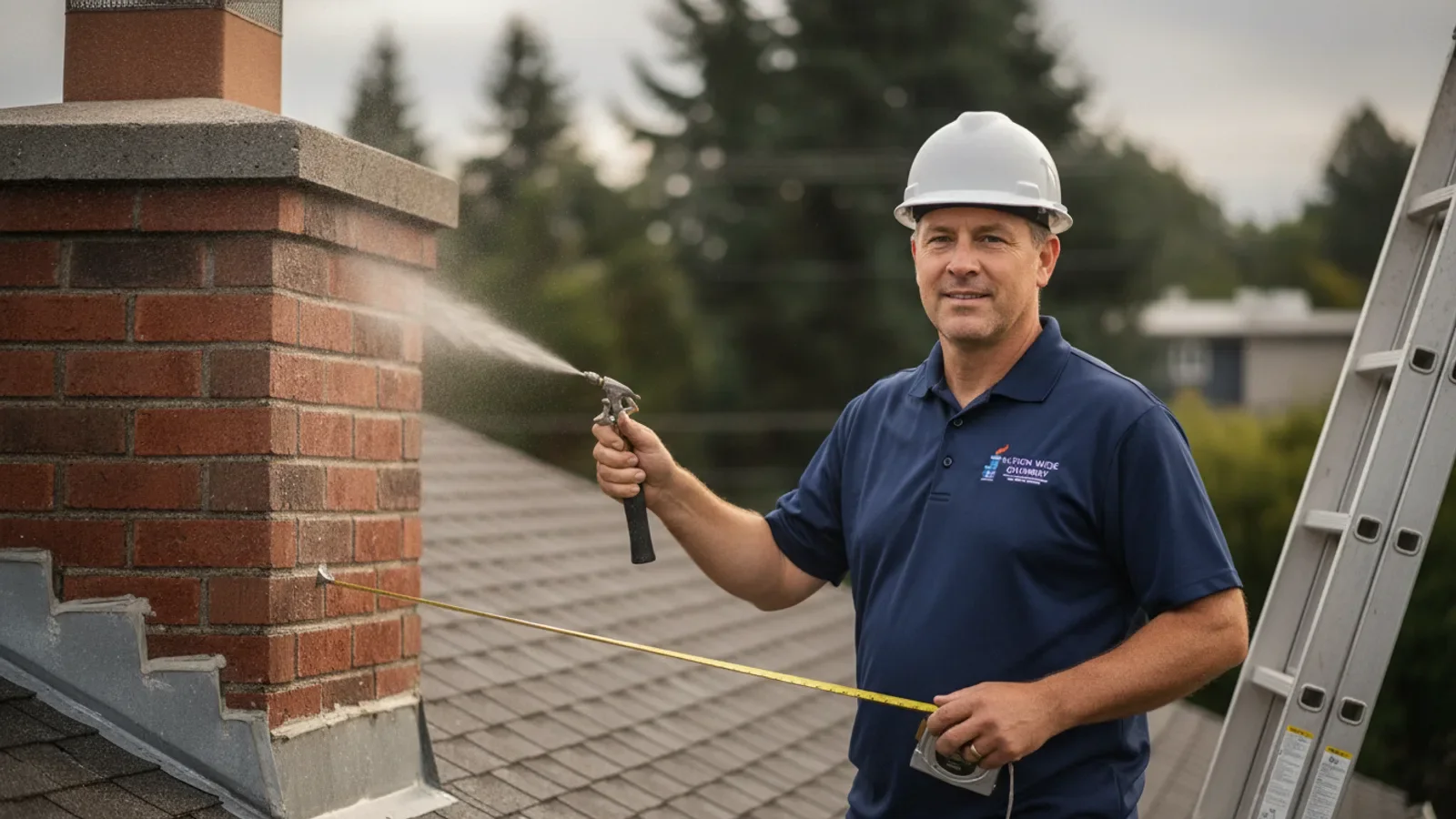
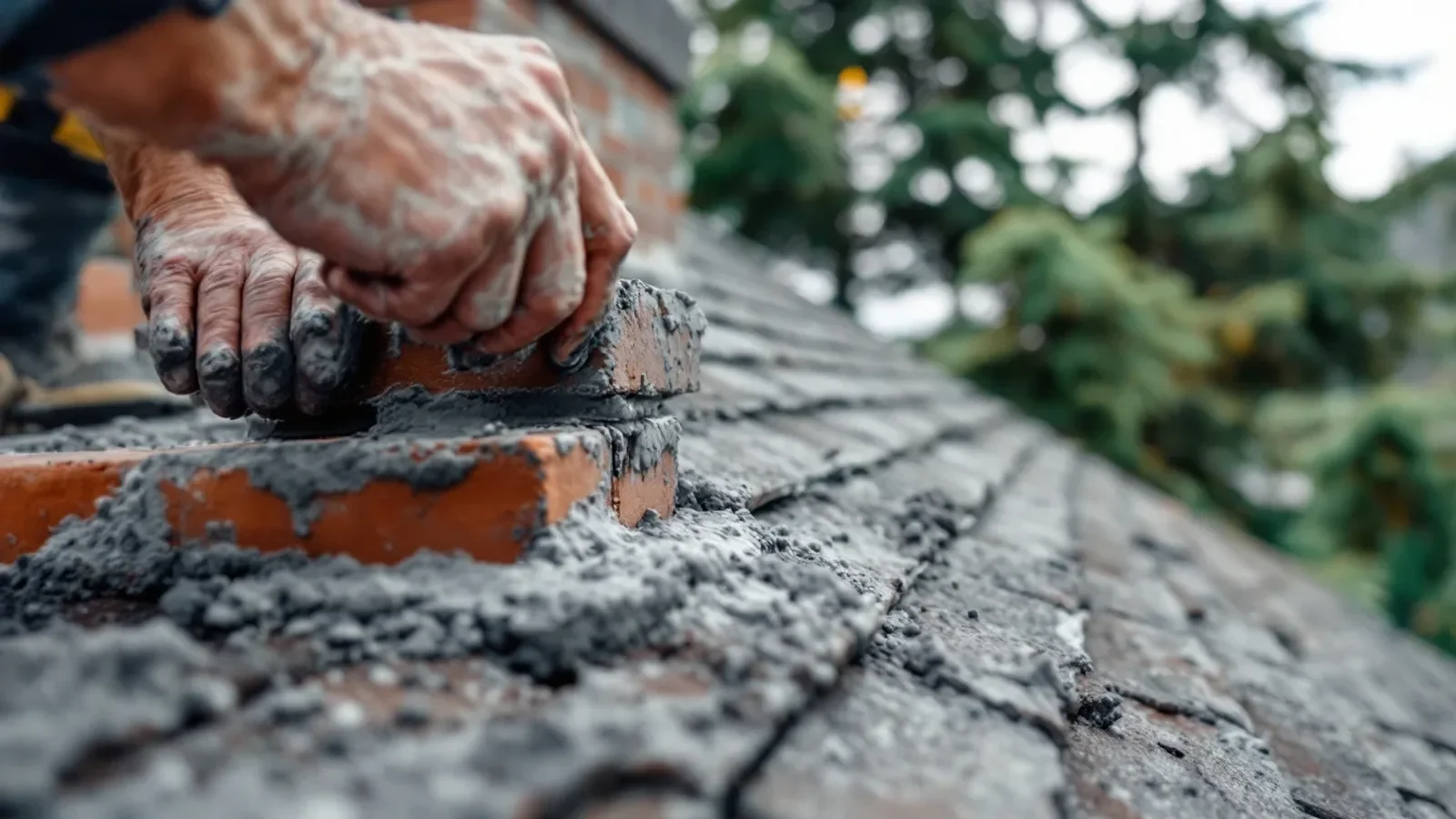
Tuckpointing, sometimes called repointing, is the process of removing deteriorated mortar from the joints between bricks and replacing it with fresh mortar. The bricks themselves remain in place. A technician typically grinds or chisels out the old mortar to a depth of roughly three-quarters of an inch before packing in new material that is matched to the original mix in both composition and color.
Done correctly, tuckpointing restores the mortar’s ability to shed water, flex slightly with temperature changes, and hold the masonry units in compression. The key word is “correctly.” Mortar mix matters enormously in the Pacific Northwest: a mix that is too hard (high Portland cement content) will not flex with Seattle’s seasonal moisture swings and can actually cause the surrounding bricks to crack. A properly matched, slightly softer mortar is the right call for most older Seattle chimneys.
Tuckpointing is appropriate when the bricks themselves are structurally sound, the chimney is plumb (vertical and not leaning), the crown and cap are intact or separately repairable, and the damage is confined to surface mortar rather than the internal core. If you have noticed powdery white staining (efflorescence) on the exterior, shallow mortar recession, or minor surface spalling on a few bricks, tuckpointing is almost certainly the right starting point. You can learn more about the early warning signs in our guide to recognizing tuckpointing indicators.
What Does a Chimney Rebuild Involve?
A partial or full rebuild is a more involved structural repair. Depending on the extent of damage, a rebuild may mean removing and relaying the top section of the chimney above the roofline, replacing the entire above-roof structure, or, in severe cases, rebuilding from the firebox up.
Rebuilds are necessary when bricks have shifted, the chimney has developed a visible lean, internal flue tiles are cracked or collapsed, mortar deterioration extends deep into the core of the structure, or water infiltration has caused the interior masonry to spall extensively. In Seattle, prolonged water intrusion is the most common driver. When moisture has been cycling in and out of a chimney for years, it does not just erode the mortar surface. It saturates the brick, weakens the bond between courses, and can undermine the structural integrity of the entire stack.
If you want it handled correctly the first time, consider professional chimney repair in Seattle.
A rebuild also becomes the correct answer when tuckpointing has been deferred so long that the mortar joints have recessed more than an inch and the brick faces themselves have begun to deteriorate. At that point, applying fresh mortar is like painting over rust: it addresses the surface without solving the underlying problem.
Washington State and Seattle building codes require permits for certain chimney rebuilding work, particularly when it involves the firebox or structural elements below the roofline. Requirements vary depending on scope, so confirming permit needs with your contractor and checking with the City of Seattle’s Department of Construction and Inspections is always advisable before work begins.
Seattle-Specific Masonry Conditions That Affect the Decision
Seattle’s housing stock introduces a few local factors that genuinely shift the tuckpointing-versus-rebuild calculation.
Brick age and sourcing. Many pre-1950s Seattle homes used locally sourced brick that is softer and more porous than modern brick. This material absorbs moisture readily, which accelerates mortar joint erosion and increases the risk of spalling under freeze-thaw stress. Older brick in good condition can still be tuckpointed successfully, but the mortar mix selection is especially critical to avoid creating a hardness mismatch.
Moss and organic growth. Seattle’s persistent dampness encourages moss, lichen, and algae to colonize masonry surfaces. These organisms hold moisture against the brick and accelerate mortar breakdown. What looks like a surface cosmetic issue often signals that moisture has been trapped against the joints for years. A thorough inspection is needed to determine how deep the damage runs before deciding between tuckpointing and a more extensive repair.
Earthquake exposure. The Pacific Northwest sits in a seismically active zone. While most Seattle chimneys are not in immediate seismic danger, older unreinforced masonry chimneys can develop micro-fractures and subtle shifts that are not visible from the ground. A chimney that has experienced even minor seismic movement may have internal joint damage that makes tuckpointing alone insufficient. This is one reason a professional Seattle chimney water damage assessment should always accompany any masonry evaluation.
Roofline flashing. Seattle’s rainfall means flashing failures are common, and a leaking chimney-roof interface is often misdiagnosed as a masonry problem. Before committing to either tuckpointing or a rebuild, it is worth confirming that water intrusion is actually coming through the masonry and not through failed flashing or a deteriorated crown.
Many Seattle homeowners rely on expert chimney repair in Seattle for exactly this.
Tuckpointing vs Rebuilding: Side-by-Side Comparison
| Criteria | Tuckpointing | Partial or Full Rebuild |
|---|---|---|
| Scope of damage addressed | Surface mortar joints only; bricks remain in place | Structural masonry, shifted bricks, collapsed flue tiles, deep water damage |
| Best candidate | Chimneys with sound bricks, minor mortar recession, and no lean or shift | Chimneys with leaning, spalling bricks, deep mortar loss, or failed flue liners |
| Disruption to home | Minimal; typically completed in one visit for a standard chimney | More involved; may require scaffolding, multiple visits, and interior access |
| Longevity when done correctly | Can extend chimney life by 20-30 years with proper mortar matching | Essentially resets the clock on the affected section; new masonry lifespan |
| Permit requirements in Seattle | Generally not required for surface repointing; verify with contractor | Often required, especially for structural or below-roofline work; check local codes |
| Risk of deferring | Deferred tuckpointing eventually escalates to rebuild territory | Deferring a needed rebuild risks collapse, carbon monoxide hazards, and fire risk |
Which Is Right for Seattle Homes?
The honest answer is that most Seattle chimneys showing visible deterioration are candidates for tuckpointing, not a full rebuild, provided the problem is caught before it compounds. The Pacific Northwest’s steady, moderate rainfall is relentless but not instantly catastrophic. A chimney that has been properly maintained but has developed mortar recession over the past decade is a tuckpointing job. A chimney that has been ignored for twenty years, has visible brick displacement, or has had water pooling inside the firebox through multiple wet seasons is likely a rebuild conversation.
The single most reliable way to determine which repair your chimney actually needs is a professional inspection by a qualified technician who can evaluate both the exterior masonry and the interior flue condition. A visual inspection from the ground is not sufficient, particularly for older Seattle homes where the chimney may look acceptable from the street but have significant internal deterioration. Our Seattle chimney repair service includes a full structural assessment before any work is recommended.
If you are weighing the financial side of the decision, understanding what drives repair scope, and therefore investment, is worth doing before you get quotes. Our breakdown of Seattle chimney repair cost factors explains the variables that affect what you will pay for either service.
One practical note: tuckpointing that is done well and followed up with appropriate waterproofing and annual inspections can push a rebuild many years into the future. Homeowners who address mortar deterioration early, before it reaches the brick faces, consistently get more service life out of their original masonry. For guidance on protecting your chimney after repair work is complete, see our post-repair leak prevention guide.
Frequently Asked Questions
Can I tuckpoint just part of my chimney, or does the whole thing need to be done at once?
Partial tuckpointing is possible and sometimes appropriate, particularly when deterioration is concentrated on one face of the chimney, often the side with the most rain exposure. However, a technician should inspect all four sides before recommending a partial approach, because mortar on sheltered faces can be in worse condition than it appears from the ground.
Ready for the next step? Learn how chimney repair services in Seattle can help and reach out to the team.
How do I know if my chimney is leaning or just looks that way from the ground?
A slight visual lean from ground level can sometimes be an optical illusion caused by roofline angles. A professional inspection using a level and, when needed, a camera system for the interior flue will give you a definitive answer. Any confirmed lean, even a small one, warrants a structural evaluation rather than surface repointing alone.
Does Seattle’s rain mean I need to waterproof after tuckpointing?
Applying a breathable masonry waterproofing treatment after tuckpointing is a widely recommended practice for Seattle chimneys. It helps reduce moisture absorption without trapping vapor inside the masonry. This is distinct from paint or sealers that can trap moisture and cause more damage. Your technician can advise on the right product for your specific brick type.
How long does tuckpointing typically take on a standard Seattle residential chimney?
A standard above-roofline tuckpointing job on a single-flue residential chimney is typically completed in one day by an experienced crew. More extensive work, or a chimney with difficult roof access, may take longer. Weather windows matter in Seattle, so scheduling during a dry stretch helps the fresh mortar cure properly.
Is a chimney inspection required before tuckpointing or rebuilding in Seattle?
While not always legally mandated for surface repointing, a professional inspection before any masonry repair is strongly advisable. It ensures the correct repair scope is identified, prevents applying tuckpointing to a chimney that actually needs structural work, and documents the chimney’s condition before and after the repair.
What happens if I keep deferring tuckpointing on my Seattle chimney?
Deferred mortar maintenance is one of the most common reasons Seattle homeowners end up needing a partial or full rebuild. As mortar recedes, water penetrates deeper into the brick courses, brick faces begin to spall, and the structural integrity of the entire stack weakens. Catching mortar deterioration early is almost always the more practical path.
The Bottom Line on Seattle Chimney Masonry Repair
Tuckpointing and rebuilding are not competing services so much as different stages of the same problem. Tuckpointing addresses the early and middle phases of mortar deterioration while the bricks are still sound. Rebuilding addresses the later stage, when structural integrity has been compromised. Seattle’s wet climate compresses that timeline compared to drier regions, which is why routine inspection matters here more than in most parts of the country.
If your chimney has visible mortar recession, efflorescence, or minor spalling, the right first step is a professional evaluation to confirm the scope before any work begins. Nation Wide Chimney Sweep and Repair serves Seattle and the surrounding area with structural masonry assessments and both tuckpointing and rebuild services. Contact us to schedule an inspection and get a clear picture of what your chimney actually needs.