Chimney Repair in Seattle: A Complete Guide to Structural Masonry Standards
That white powdery residue on your brick, the faint drip sound inside the firebox on a rainy November morning, these are the small signals Seattle homeowners learn to recognize. The Pacific Northwest’s relentless moisture cycle is hard on masonry, and a chimney that looks fine from the street can be quietly deteriorating from the inside out. This guide walks through how to diagnose structural chimney problems, what repair options exist, and what quality masonry work actually looks like in the Seattle market.
Why Seattle’s Climate Makes Chimney Masonry Especially Vulnerable
Seattle averages roughly 150 days of measurable rainfall per year, and the real damage happens not from rain alone but from the freeze-thaw cycle that runs through late fall and early spring. Water infiltrates hairline cracks in mortar joints or brick faces, then expands as temperatures drop below freezing overnight. By morning, those cracks are slightly wider. Repeat that process dozens of times across a single winter and you have accelerating spalling, joint erosion, and eventually structural instability.
Homes in neighborhoods like Capitol Hill, Beacon Hill, and the Central District often have chimneys built in the 1920s through 1950s using lime-based mortars that, while historically appropriate, are now well past their designed service life. Brick from that era is also more porous than modern equivalents, absorbing moisture faster. If your home was built before 1960, the chimney masonry has almost certainly never been fully re-evaluated against current structural standards. For a closer look at how sustained rainfall specifically degrades mortar and brick, see our detailed breakdown of Seattle weather and chimney water damage.
The Five Most Common Chimney Structural Problems in the Seattle Area
Not every chimney problem looks the same, and repair scope varies significantly depending on which issue is present. Here are the structural failures that come up most consistently in Seattle chimney inspections:
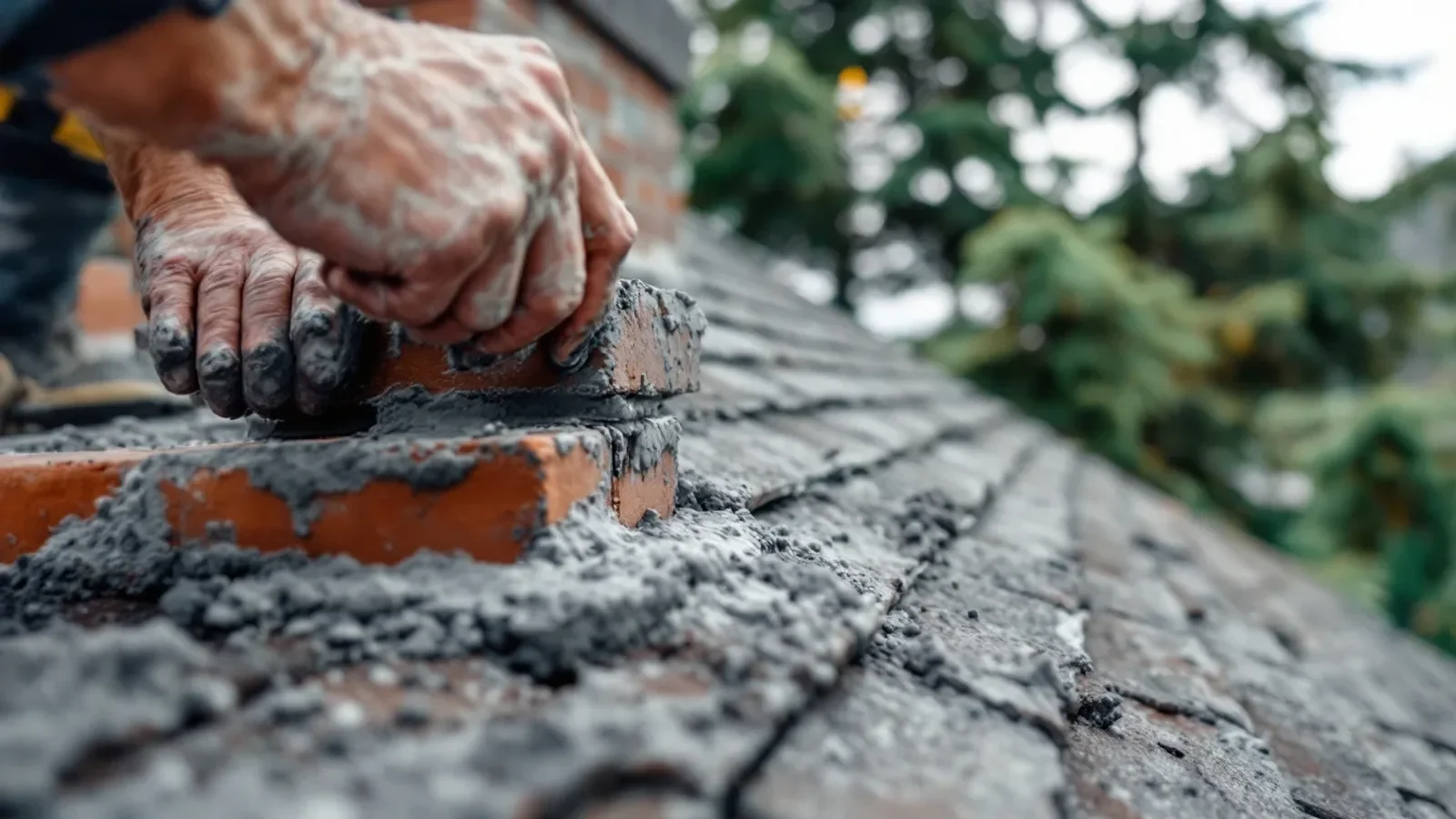
- Mortar joint erosion (spalling mortar): The mortar between bricks recedes, leaving gaps that allow water direct access to the chimney’s interior. This is the most common issue in older Seattle homes and is typically addressed through tuckpointing.
- Spalling brick faces: The face of the brick itself flakes or pops off, usually caused by water freezing inside the brick’s porous structure. Severely spalled bricks often need replacement rather than surface treatment.
- Crown cracking or failure: The concrete or mortar crown at the top of the chimney develops cracks that channel rainwater directly into the flue. A failed crown is one of the fastest pathways to interior water damage.
- Flashing separation: The metal flashing where the chimney meets the roofline pulls away from the masonry, creating a gap. In Seattle’s wet climate, even a small flashing gap can introduce significant water into the attic and wall cavities.
- Structural leaning or settlement: Chimneys that lean visibly, show stair-step cracking along mortar joints, or have separated from the house framing are experiencing foundation-level movement. This is the most serious category and often requires partial or full rebuilding above the roofline.
If you are seeing stair-step cracking or wondering whether your situation calls for spot repairs versus a more substantial rebuild, this comparison of tuckpointing versus chimney rebuilding in Seattle covers the decision criteria in detail.
Seattle Chimney Inspection: What a Proper Evaluation Covers
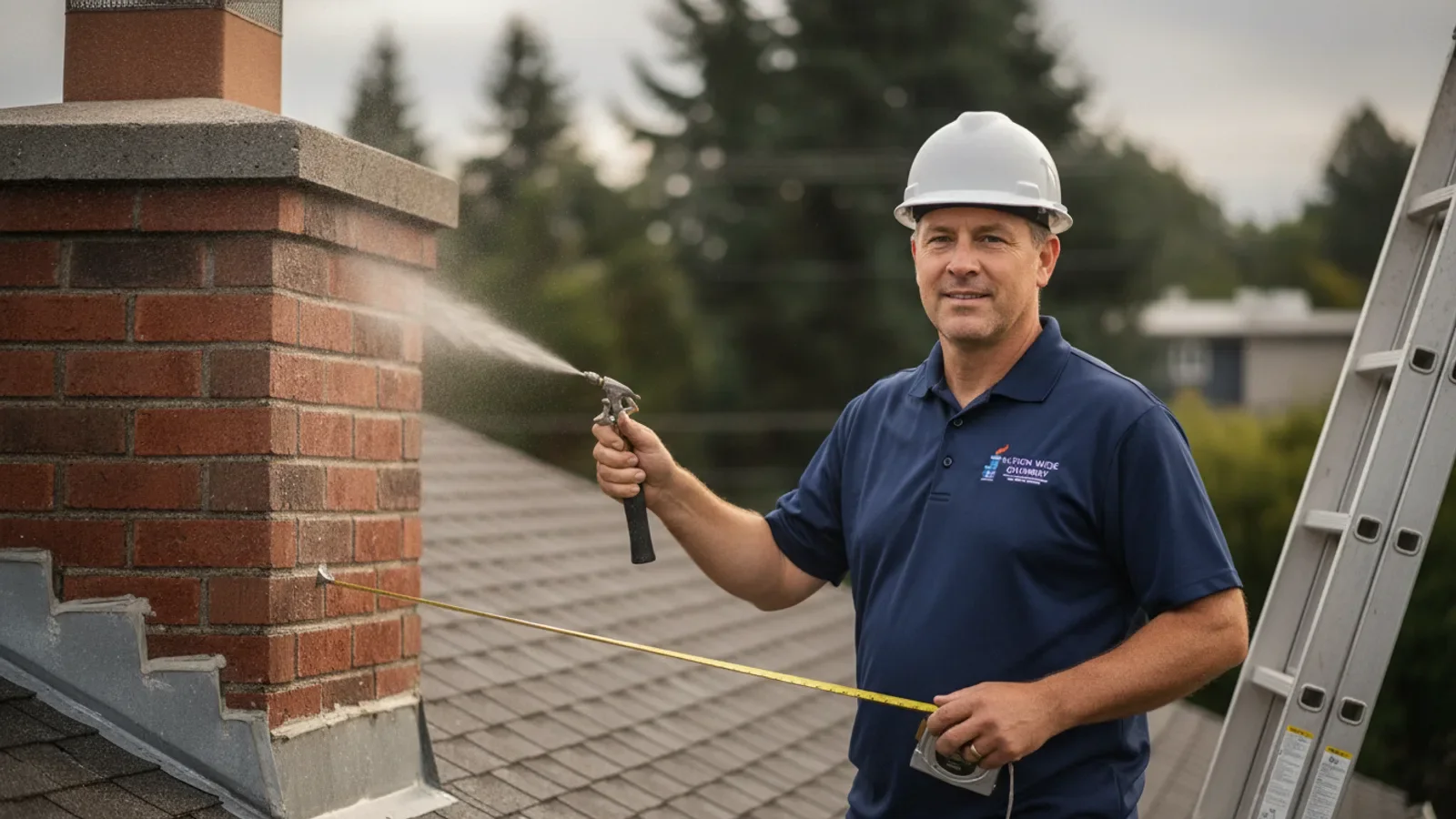
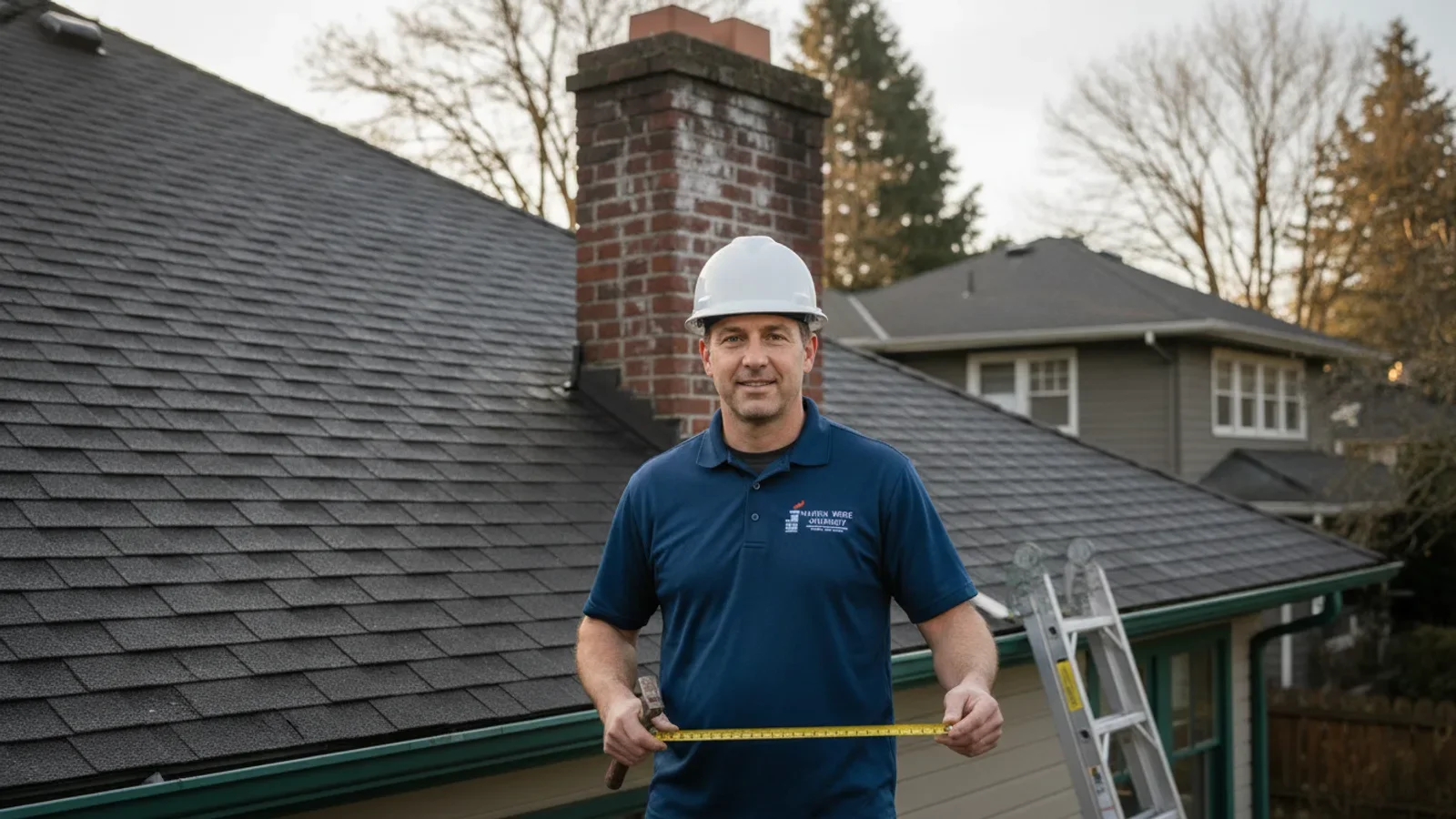
A thorough Seattle chimney inspection is the foundation of any repair decision. Guessing at the scope of work without a proper evaluation leads either to under-repairing (leaving hidden damage that continues to worsen) or over-repairing (replacing material that still has serviceable life). A qualified inspection should cover the following:
- Exterior masonry assessment: Visual examination of all accessible brick and mortar surfaces, including the crown, corbeling, and any decorative brickwork.
- Flashing condition: Checking both the step flashing along the roofline and the counterflashing embedded in the mortar joints for separation, rust, or improper installation.
- Interior flue inspection: A camera-based flue scan (Level II inspection per NFPA 211 standards) to check the liner for cracks, deterioration, or blockages. This is particularly important for older Seattle homes where clay tile liners may have shifted or cracked.
- Firebox and smoke chamber: Examination of the firebox walls, damper operation, and smoke chamber for spalling, open joints, or mortar deterioration.
- Structural plumb check: Confirming the chimney is vertically plumb, especially on older foundations that may have experienced settlement.
If you want it handled correctly the first time, consider professional chimney repair in Seattle.
NFPA 211 defines three levels of inspection. A Level I is appropriate for routine annual checks; a Level II is required any time the home changes ownership, after a chimney fire, or when repairs are being planned. For Seattle homes, we recommend defaulting to a Level II given the moisture exposure most chimneys here experience.
Ready to schedule a professional evaluation? Contact our Seattle chimney repair team to book an inspection before the next rainy season sets in.
Chimney Repair Options: Matching the Fix to the Failure
Once a proper inspection identifies the problem, the repair path becomes clearer. Here is a comparison of the primary structural repair options and when each applies:
| Repair Type | Best For | Typical Scope | Longevity (with proper maintenance) |
|---|---|---|---|
| Tuckpointing | Eroded mortar joints, early-stage water infiltration | Grinding out damaged mortar, packing with fresh mortar matched to original | 15-25 years depending on mortar mix and exposure |
| Brick replacement | Spalled or fractured individual bricks | Removing damaged units, sourcing matching brick, resetting with appropriate mortar | Matches surrounding masonry lifespan if matched correctly |
| Crown repair or rebuild | Cracked or failed chimney crown | Patching hairline cracks with flexible sealant or full crown replacement with reinforced concrete | 10-20 years for repair; 20+ years for full rebuild |
| Flashing repair or replacement | Separated or corroded flashing | Re-embedding counterflashing in mortar joints, sealing with appropriate compound | 15-20 years for quality copper or galvanized flashing |
| Partial rebuild (above roofline) | Structural leaning, severe spalling, stair-step cracking | Dismantling deteriorated section, rebuilding with new brick and mortar to current standards | 40-60 years with proper waterproofing and maintenance |
| Flue liner repair or replacement | Cracked clay tiles, damaged flexible liner | Cast-in-place liner system or stainless steel flexible liner installation | 20-30 years for stainless; longer for cast-in-place |
One important masonry standard worth understanding: mortar hardness should be matched to the brick hardness. Using a modern Portland cement-heavy mortar on older, softer historic brick causes the brick face to spall because the mortar becomes harder than the surrounding brick. A qualified mason will specify a mortar mix (Type N or Type S, per ASTM C270) appropriate to the existing masonry rather than defaulting to the strongest available mix.
For a fuller picture of what drives repair scope and investment, our guide to Seattle chimney repair cost factors explains the variables that affect any estimate you receive.
Masonry Standards That Apply to Seattle Chimney Work
Quality chimney masonry in Washington state is governed by a combination of national standards and local code requirements. Homeowners do not need to memorize these, but knowing they exist helps when evaluating whether a contractor is working to an appropriate standard:
- NFPA 211 (Standard for Chimneys, Fireplaces, Vents): The primary national standard covering chimney construction, inspection levels, and clearance requirements. Any contractor doing structural chimney work in Seattle should be familiar with NFPA 211.
- International Residential Code (IRC), as adopted by Washington State: Washington has adopted the IRC with state-specific amendments. Chapter 10 of the IRC covers fireplace and chimney construction requirements. Permit requirements vary by jurisdiction, so always confirm with your local building department whether a permit is required for your specific repair scope.
- ASTM C270 (Mortar for Unit Masonry): The standard governing mortar mix specifications. Type S mortar is commonly specified for exterior masonry applications in wet climates like Seattle’s.
- NADCA standards: While primarily associated with duct cleaning, the National Air Duct Cleaners Association also publishes guidance relevant to combustion air systems that intersect with chimney function in tightly built modern homes.
Many Seattle homeowners rely on expert chimney repair in Seattle for exactly this.
Permits for chimney work in Seattle are required when the scope involves structural changes, liner replacement, or rebuilding. Cosmetic repairs such as tuckpointing typically do not require a permit, but it is always worth confirming with the Seattle Department of Construction and Inspections. Requirements vary, and a licensed contractor should be able to advise on whether your specific project needs a permit pulled.
How to Evaluate a Chimney Repair Contractor in Seattle
Choosing a contractor for chimney masonry work involves more than comparing quotes. Here are the criteria that matter most for Seattle-area projects:
- Washington State contractor registration: All contractors performing work in Washington must be registered with the Department of Labor and Industries. Verify registration status before signing any agreement.
- Liability insurance and bonding: Chimney work involves working at height and with structural masonry. Confirm current general liability coverage and worker’s compensation.
- Chimney Safety Institute of America (CSIA) certification: CSIA-certified chimney sweeps have passed examinations on chimney safety, inspection standards, and repair practices. This credential is a meaningful indicator of professional knowledge.
- Written scope of work: Any reputable contractor should provide a written proposal specifying exactly what work will be performed, what materials will be used (including mortar type and brick specifications), and what the project timeline looks like.
- Inspection before proposal: Be cautious of any contractor who provides a repair quote without physically inspecting the chimney. Accurate scoping requires direct observation, not a phone estimate.
If you have already received a quote and want to understand whether the scope seems appropriate for your situation, our article on signs your Seattle chimney needs tuckpointing can help you cross-reference the symptoms you are seeing with the recommended repair type.
Reach out to schedule your Seattle chimney inspection and get a written assessment from a team that knows Pacific Northwest masonry conditions.
After Repairs: Protecting Your Chimney from Seattle’s Next Rainy Season
Structural repairs restore integrity, but the Pacific Northwest climate means ongoing maintenance is part of the equation. After any masonry repair work is complete, a few practices help extend the life of the investment:
- Waterproofing treatment: A vapor-permeable masonry waterproofing product (not a film-forming paint sealer) applied to the exterior brick can reduce moisture absorption significantly. These products allow the masonry to breathe while repelling liquid water. They typically need reapplication every five to ten years.
- Chimney cap installation or replacement: A properly fitted chimney cap keeps rain, debris, and birds out of the flue. Caps with spark arrestors are required in many jurisdictions and are good practice regardless.
- Annual inspection schedule: Seattle’s climate warrants at minimum an annual visual check, with a full Level I or Level II inspection every few years or any time you notice new cracking, staining, or odor changes.
For a complete post-repair maintenance checklist specific to Seattle conditions, our guide to preventing chimney leaks after repair covers the steps in detail.
Ready for the next step? Learn how chimney repair services in Seattle can help and reach out to the team.
Frequently Asked Questions
How do I know if my chimney needs repair or just cleaning?
Cleaning addresses creosote buildup and debris inside the flue; repair addresses structural or masonry damage. If you are seeing white staining (efflorescence) on the brick, crumbling mortar, water in the firebox, or visible cracks, those are repair indicators, not cleaning issues. A professional inspection can distinguish between the two and tell you whether both are needed.
Can I use my fireplace while chimney repairs are being planned?
It depends on the nature of the damage. Surface mortar erosion on the exterior typically does not make the fireplace immediately unsafe to use, but a cracked flue liner, failed crown, or structural lean are conditions where continued use is not advisable until repairs are complete. When in doubt, have an inspection before the next fire.
How long does chimney tuckpointing last in Seattle’s climate?
Quality tuckpointing using a mortar mix appropriate to the existing brick and properly cured can last 15 to 25 years in Seattle’s climate. The longevity depends heavily on the mortar specification, surface preparation, and whether a waterproofing treatment is applied afterward. Skipping the waterproofing step in a wet climate like Seattle’s shortens the effective lifespan noticeably.
Is a chimney inspection required when buying a home in Seattle?
A general home inspection is standard in most Washington real estate transactions, but general inspectors are not chimney specialists. NFPA 211 recommends a Level II chimney inspection any time a property changes ownership. Buyers should request this as a separate line item, particularly for older Seattle homes where the chimney may have decades of deferred maintenance.
What is the difference between a chimney sweep and a chimney repair contractor?
A chimney sweep primarily performs cleaning and inspection services, removing creosote and debris from the flue. A chimney repair contractor handles structural and masonry work. Many companies, including Nation Wide Chimney Sweep and Repair, offer both services, which makes it practical to combine an inspection and cleaning visit with an assessment of any structural issues present.
Do I need a permit for chimney tuckpointing in Seattle?
Generally, cosmetic masonry repairs like tuckpointing do not require a permit in Seattle, but structural repairs, liner replacements, or rebuilding work may. Requirements can vary depending on the scope and your specific jurisdiction within the greater Seattle area. Your contractor should advise on permit requirements for your project, and when uncertain, confirming with the Seattle Department of Construction and Inspections is the safest step.
Getting the Right Chimney Repair for Your Seattle Home
Seattle’s masonry chimneys face conditions that most other regions do not: sustained rainfall, freeze-thaw cycling, and aging brick stock from an era when waterproofing practices were minimal. Catching structural issues early, matching repairs to the actual failure mode, and working with a contractor who understands Pacific Northwest masonry standards makes the difference between a repair that lasts decades and one that needs revisiting in a few years.
If your chimney has been showing any of the warning signs covered in this guide, the right next step is a professional inspection. Contact Nation Wide Chimney Sweep and Repair to schedule a thorough Seattle chimney inspection and get a written assessment of exactly what your chimney needs.