The Seattle Homeowner’s Guide to Chimney Cleaning and Creosote Safety
Seattle’s rain-soaked winters are hard on fireplaces in ways that catch many homeowners off guard. Between October and April, when fireplaces run most often, creosote builds up inside flue liners at a faster rate than in drier climates, and the region’s persistent moisture compounds every other chimney hazard. This guide walks you through what creosote actually is, why Seattle conditions make it a bigger concern than you might expect, and exactly what a professional chimney sweep does to keep your home safe.
What Creosote Is and Why It Forms Faster in the Pacific Northwest
The Chemistry Behind the Buildup
Every time wood burns, it releases combustion gases, water vapor, and unburned carbon particles. As those gases travel up the flue, they cool and condense on the liner walls. That sticky, tar-like residue is creosote. It comes in three forms: a light, flaky deposit that brushes away easily; a crunchy, porous layer that requires more aggressive removal; and a hard, glazed coating that bonds to the liner and resists standard brushing tools entirely.
The third stage is the one that concerns chimney professionals most. Glazed creosote is dense, highly flammable, and can sustain a chimney fire that burns at temperatures exceeding 2,000 degrees Fahrenheit, hot enough to crack clay tile liners and ignite nearby framing.
How Seattle’s Climate Accelerates Accumulation
Creosote forms faster when flue gases cool quickly before they exit the chimney. In Seattle, several factors push that process along. Cold, damp outdoor air chills the exterior masonry faster than in arid climates, which lowers flue temperatures. Homeowners also tend to burn fires at a lower intensity to manage heat in smaller rooms, which means gases linger longer in the flue. Add the region’s high ambient humidity and the condensation process accelerates noticeably compared to drier parts of the country.
There is also the wood factor. Coastal Washington homeowners frequently burn alder, which is locally abundant but burns cooler than dense hardwoods like oak or madrone. Cooler fires produce more incomplete combustion and, therefore, more creosote per cord burned.
Signs That Creosote Has Built Up
- A strong, acrid or tar-like odor coming from the fireplace, especially on humid days
- Black, oily staining around the damper or firebox opening
- Reduced draft, meaning the fire smokes into the room instead of drawing cleanly upward
- Visible black flaking or glazed deposits when you shine a flashlight up the flue
- A rumbling or roaring sound during a fire, which can indicate a chimney fire already in progress
How Often Seattle Homes Actually Need a Chimney Sweep
The NFPA 211 Baseline and What It Means Locally
NFPA 211, the national standard for chimneys and fireplaces, recommends that chimneys be inspected at least once a year and cleaned whenever deposits warrant it. That is the floor, not the ceiling. For Seattle homeowners who use their fireplace regularly from fall through spring, once-a-year service is often the minimum, not the ideal. A household that burns three or four nights a week through a typical Puget Sound winter may need cleaning more frequently, particularly if the wood is not fully seasoned.
Wood-Burning vs. Gas Fireplace Schedules
Wood-burning fireplaces and inserts accumulate creosote; gas appliances do not. However, gas systems still need annual inspection. Gas logs and gas inserts produce carbon monoxide and can develop blockages from nesting animals, deteriorating liner sections, or corroded components. The inspection interval is the same; the cleaning scope is different. Nation Wide Chimney Sweep and Repair serves Seattle homeowners with both wood and gas systems, so the right schedule depends on your specific appliance and how heavily you use it.
After a Long Gap or a Home Purchase
One of the most common situations a chimney sweep encounters in Seattle is a fireplace that has not been used or serviced in several years. Moisture intrusion during that idle period can cause liner damage, mortar deterioration, and sometimes animal nesting that creates a blockage. If you have recently purchased a home or have not had the chimney serviced in more than two years, an inspection before the first fire is the sensible starting point. A Level 2 inspection, which uses a video camera to examine the full length of the flue, gives the clearest picture of what is actually happening inside the liner.
What a Professional Chimney Cleaning Actually Involves
Before the Brushes Come Out
A thorough service visit starts with a visual assessment, not the brushes. The technician checks the firebox, the damper, the smoke shelf, the liner condition, and the exterior cap and crown before any cleaning begins. This step matters because cleaning a flue with a cracked liner or a damaged crown can push debris into gaps that then become fire or moisture pathways. Identifying those issues first shapes the entire scope of the visit.
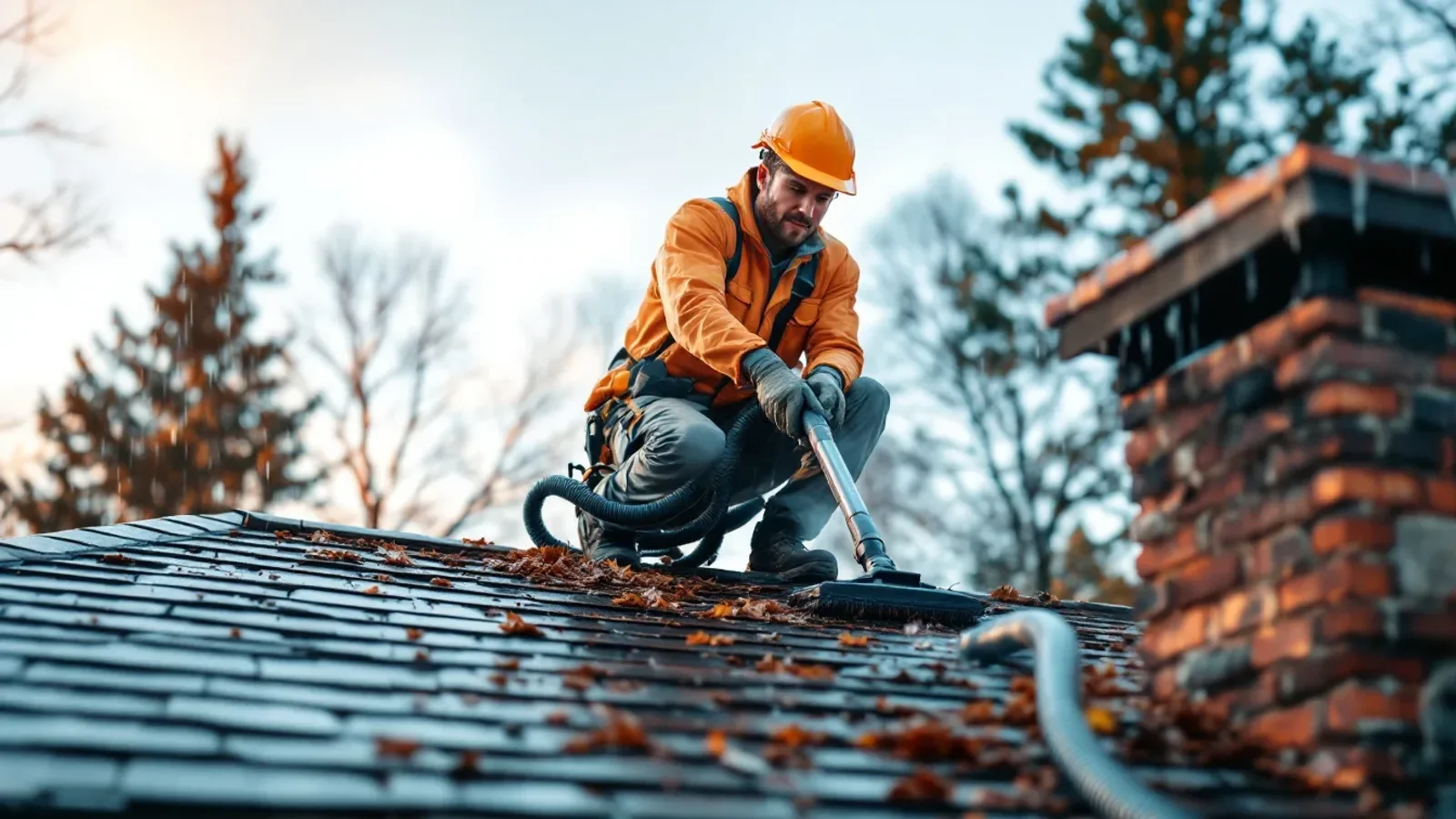
The technician also sets up drop cloths and uses a negative-pressure vacuum system to capture debris inside the firebox. In a properly equipped service visit, the living room should stay clean throughout the process.
The Cleaning Process Step by Step
Once the setup is complete, the sweep works from the top of the chimney down, using rotary brushes sized to the flue’s interior dimensions. The brush dislodges deposits from the liner walls, and the vacuum system captures the falling debris before it can spread through the home. For second-stage creosote, technicians may use specialized rotary systems with stiffer bristle configurations. Third-stage glazed deposits require chemical treatments applied before mechanical removal, and that process typically takes more than one visit.
After the flue is clean, the technician inspects the smoke shelf and firebox for debris accumulation, clears the smoke chamber if needed, and checks that the damper opens and seals correctly. The visit concludes with a written report noting the condition of each component and any repairs that should be addressed before the next fire.
What to Expect on the Day
A standard chimney cleaning for a single wood-burning fireplace typically takes between 45 minutes and 90 minutes, depending on the level of buildup and the complexity of the system. Gas fireplace inspections are usually on the shorter end of that range. Plan to be home for the full appointment window, clear the area around the hearth of furniture and rugs, and make sure the fireplace has been cold for at least 24 hours before the technician arrives.
Seattle’s Moisture Problem: What It Does to Masonry Between Cleanings
The Freeze-Thaw Cycle on Puget Sound
Seattle does not get the deep freezes that eastern Washington sees, but the region’s pattern of near-freezing nights and wet days creates its own form of masonry stress. Water seeps into hairline cracks in mortar joints, then expands slightly when temperatures drop overnight. Over multiple seasons, that cycle widens cracks, loosens bricks, and eventually compromises the structural integrity of the chimney stack. This is the same dynamic that Nation Wide Chimney Sweep and Repair’s GBP posts have flagged: what looks like a cosmetic crack from the ground is often a water pathway that has been working its way deeper for years.
Chimney Caps and Crowns as the First Line of Defense
A properly fitted chimney cap keeps rain, birds, and debris out of the flue opening. The chimney crown, the mortar slab that covers the top of the masonry chase around the flue liner, sheds water away from the brick and mortar below. When either of these components is cracked, missing, or improperly installed, water enters the system directly. Seattle’s rainfall totals make that a year-round concern, not just a winter one.
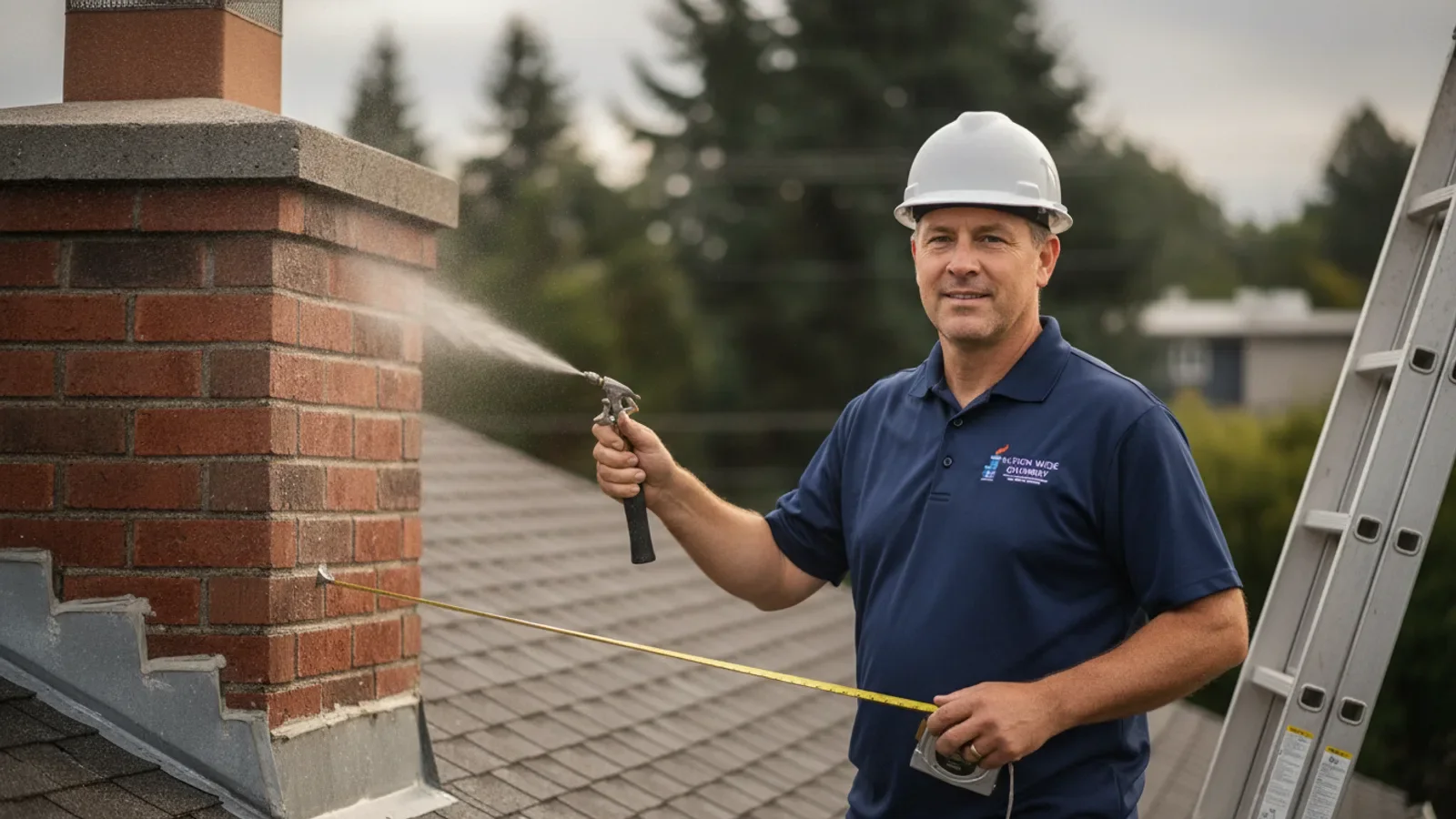
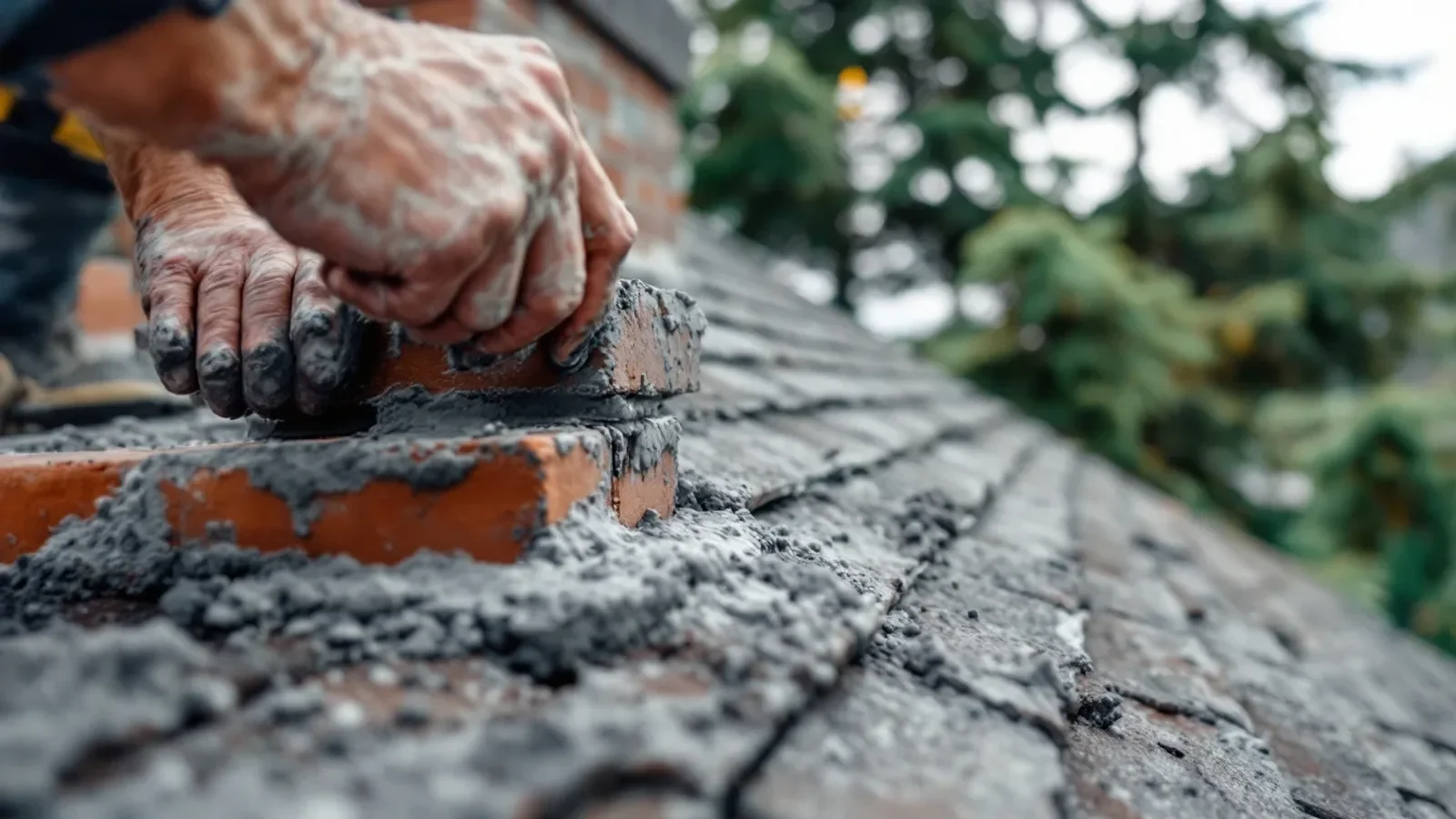
During a chimney cleaning visit, the technician examines both the cap and the crown as part of the standard inspection. Small crown cracks can often be sealed with a flexible, waterproof crown coat product before they become a structural problem. Larger failures may require rebuilding the crown or replacing the cap entirely. If you notice water stains on the firebox walls or a musty smell after heavy rain, those are signs worth investigating promptly.
If you want it handled correctly the first time, consider professional chimney cleaning in Seattle, WA, USA.
When Cleaning Reveals a Repair Need
Cleaning and inspection go hand in hand, and it is not unusual for a routine sweep to surface a repair need that was not visible from the firebox floor. Common findings in Seattle homes include spalling brick on the exterior stack, deteriorated mortar joints in the firebox (a condition called spalling firebrick), cracked or offset flue tile sections, and rusted or stuck damper assemblies. Addressing those issues is what chimney repair in Seattle is designed to handle, and catching them early almost always costs less than waiting until the damage has progressed.
Creosote Safety: What Homeowners Can and Cannot Do Themselves
Safe Homeowner Maintenance Between Professional Visits
There are a few things Seattle homeowners can do between professional service visits that genuinely help. Burning only seasoned hardwood with a moisture content below 20 percent reduces creosote formation significantly compared to burning green or partially dried wood. Keeping fires burning at a moderate-to-hot temperature rather than smoldering low encourages complete combustion and better draft. Checking the exterior cap visually after major windstorms takes two minutes and can catch a dislodged cap before rain gets into the flue. Removing ash from the firebox regularly, leaving a one-inch bed for insulation, keeps airflow healthy at the base of the fire.
What to Leave to a Certified Professional
Flue cleaning, liner inspection, crown repair, and anything involving the structural masonry of the chimney stack should be handled by a certified chimney sweep. Working on a roof in Seattle’s wet conditions is hazardous, and improper cleaning technique can push creosote into liner gaps rather than removing it. Chimney fire suppression products sold at hardware stores are not a substitute for mechanical cleaning; they may reduce some light deposits but do not address second or third-stage creosote, and they do not replace the inspection that identifies liner damage.
If you suspect a chimney fire has occurred (listen for a loud popping or roaring sound, or notice dense smoke coming from the chimney exterior), stop using the fireplace immediately and have it inspected before the next fire. A chimney fire can cause liner damage that is not visible from the firebox but creates a direct pathway for flames or carbon monoxide into the home’s structure.
Choosing a Chimney Sweep in Seattle: What to Look For
Credentials That Matter
CSIA (Chimney Safety Institute of America) certification is the most widely recognized credential in the industry. A CSIA-certified sweep has passed a standardized exam covering chimney systems, fire safety, and applicable codes. NFI (National Fireplace Institute) certification applies specifically to gas appliance installation and service. When evaluating any chimney service provider in the Seattle area, asking about these credentials is a reasonable starting point.
What a Trustworthy Estimate Looks Like
A reputable chimney sweep will provide a written scope of work before beginning, explain what the inspection found, and separate the cleaning fee from any repair recommendations so you can evaluate them independently. Be cautious of any service that skips the inspection entirely, pressures for immediate repair decisions without showing you documentation of the problem, or cannot explain what specific component needs attention and why.
Chimney Cleaning vs. Inspection vs. Repair: A Quick Reference
| Service | What It Covers | Recommended Frequency | Who Needs It |
|---|---|---|---|
| Chimney Cleaning | Creosote and debris removal from flue, smoke chamber, and firebox | Annually, or when deposits reach 1/8 inch | All wood-burning fireplace users |
| Level 1 Inspection | Visual check of accessible components; typically paired with cleaning | Annually | All fireplace and chimney owners |
| Level 2 Inspection | Video camera scan of full flue interior; checks liner integrity | After a chimney fire, home sale, or long gap in service | New homeowners, post-fire situations |
| Chimney Repair | Mortar joint repointing, crown repair, liner relining, cap replacement | As needed based on inspection findings | Homes with visible damage or water intrusion |
Frequently Asked Questions
How do I know if my Seattle chimney needs cleaning before the busy season?
The clearest indicator is having a certified sweep inspect it. Practically speaking, if you burned more than a cord of wood last season, noticed any smoke odor on warm days, or have not had the chimney serviced in over a year, schedule a cleaning before fall. Do not rely on visual inspection from the firebox floor; creosote on upper flue sections is not visible without a light and mirror or camera.
Can I use creosote sweeping logs as a substitute for professional cleaning?
No. Creosote sweeping logs can soften light, first-stage deposits and may reduce buildup between professional visits, but they do not remove second or third-stage creosote, they do not inspect the liner for damage, and they do not clear debris from the smoke shelf or smoke chamber. They are a supplemental product, not a replacement for a professional sweep.
My fireplace is gas. Do I still need annual service?
Yes. Gas fireplaces and inserts should be inspected annually even though they do not produce creosote. The inspection covers the burner assembly, venting system, gas connections, and liner condition. Blocked venting on a gas appliance creates a carbon monoxide risk, which makes annual inspection a genuine safety matter.
What is the difference between a chimney cleaning and a chimney sweep?
The terms are often used interchangeably. A chimney sweep is the professional who performs the service; chimney cleaning (or sweeping) is the act of removing deposits from the flue and associated components. A full service visit from a chimney sweep includes both the cleaning and an inspection of the system’s condition.
How does Seattle’s rainfall affect the timing of chimney service?
Rain itself does not prevent interior cleaning work, but it does affect exterior work like crown repair or cap replacement. Scheduling your annual cleaning in late summer or early fall, before the heavy rain season begins, gives technicians the best window for any exterior masonry work that turns up during the inspection, and ensures your system is ready before you need it most.
What should I do if I smell creosote or smoke in my home when the fireplace is not in use?
A creosote or smoke smell when the fireplace is cold usually means air is flowing down the flue and carrying odors with it. This can result from negative pressure in the home, a missing or damaged cap, or significant creosote buildup that off-gasses on warm or humid days. Keep the damper closed when the fireplace is not in use, and schedule an inspection to identify the source. Do not light a fire until the cause is determined.
Conclusion
Seattle’s climate makes chimney maintenance less optional than many homeowners assume. The combination of frequent fireplace use, cool flue temperatures, high ambient humidity, and locally available cooler-burning wood creates conditions where creosote accumulates faster and moisture damage compounds quietly between seasons. Annual professional service is the most reliable way to stay ahead of both hazards. Nation Wide Chimney Sweep and Repair works with Seattle homeowners year-round, and the right time to get on the schedule is before the fireplace season, not after the first smoky fire of the year. Schedule your chimney cleaning today and go into fall knowing your fireplace is clean, inspected, and ready.