The Seattle Chimney Sweep Checklist: Essential Autumn Fireplace Prep
As the autumn leaves begin to cover the Puget Sound area and the characteristic Pacific Northwest drizzle settles in, Seattle homeowners naturally start thinking about cozy evenings by the fireplace. However, before you strike that first match of the season, it is critical to ensure your venting system is safe, clear, and ready to handle the heavy use ahead. Neglecting this preparation can lead to drafting issues, moisture damage, or dangerous buildup inside your flue. This comprehensive checklist walks you through the essential steps to prepare your system for the damp winter months.
The Myth of the Dry Chimney: Why Seattle Autumns Demand Early Action
Many homeowners believe that a chimney only needs attention right before the coldest days of winter arrive. In Western Washington, this delay can lead to preventable system deterioration. The unique climate of Seattle, characterized by high humidity, persistent rainfall, and mild but damp autumn days, creates a specific set of challenges for masonry and venting systems that dry climates simply do not experience.
The Chemistry of Creosote and Coastal Humidity
Creosote is a highly flammable, dark brown or black residue that coats the inner walls of your flue as a natural byproduct of burning wood. When the air is damp, the moisture in the atmosphere mixes with this soot and creosote inside the flue. This moisture converts powdery soot into a sticky, tar-like substance known as glazed creosote. This glaze is incredibly difficult to remove and highly combustible. By scheduling a professional chimney cleaning before the autumn humidity peaks, you prevent this chemical transition, keeping your home safer and the cleaning process straightforward.
The Freeze-Thaw Cycle in King County
While Seattle rarely experiences prolonged sub-zero temperatures, the region undergoes frequent freeze-thaw cycles throughout late autumn and winter. Water from our frequent rainfall seeps into porous bricks and mortar joints. When the temperature drops overnight, this trapped water freezes and expands, microscopic cracks widen, and the structure weakens. Preparing your fireplace in early autumn allows you to identify and address these structural issues before freezing temperatures cause mortar to crumble and spall.
Why Spring Cleaning Is Actually an Autumn Priority
Waiting until mid-winter to address venting issues often means facing long wait times during the peak heating season. Addressing your fireplace maintenance in the early fall ensures that any necessary masonry repairs, damper replacements, or flue relining can be completed without leaving your home cold during a December freeze. It also gives you peace of mind that your first fire of the season will draft cleanly and safely.
Your Step-by-Step Autumn Chimney Sweep Checklist
To keep your home safe and warm, follow this structured checklist designed specifically for the architectural styles and weather patterns of the Pacific Northwest. While homeowners can perform basic visual checks, a professional evaluation is essential to confirm the integrity of the hidden components of your venting system.
1. Inspect the Exterior Masonry and Crown
Begin your autumn preparation by stepping outside and examining the visible structure of your chimney from the ground using binoculars. Look closely at the brickwork, the mortar joints, and the concrete cap at the very top, known as the crown.
- Check for Spalling: Look for bricks that appear peeled, cracked, or are crumbling outward. This is a primary indicator of water penetration.
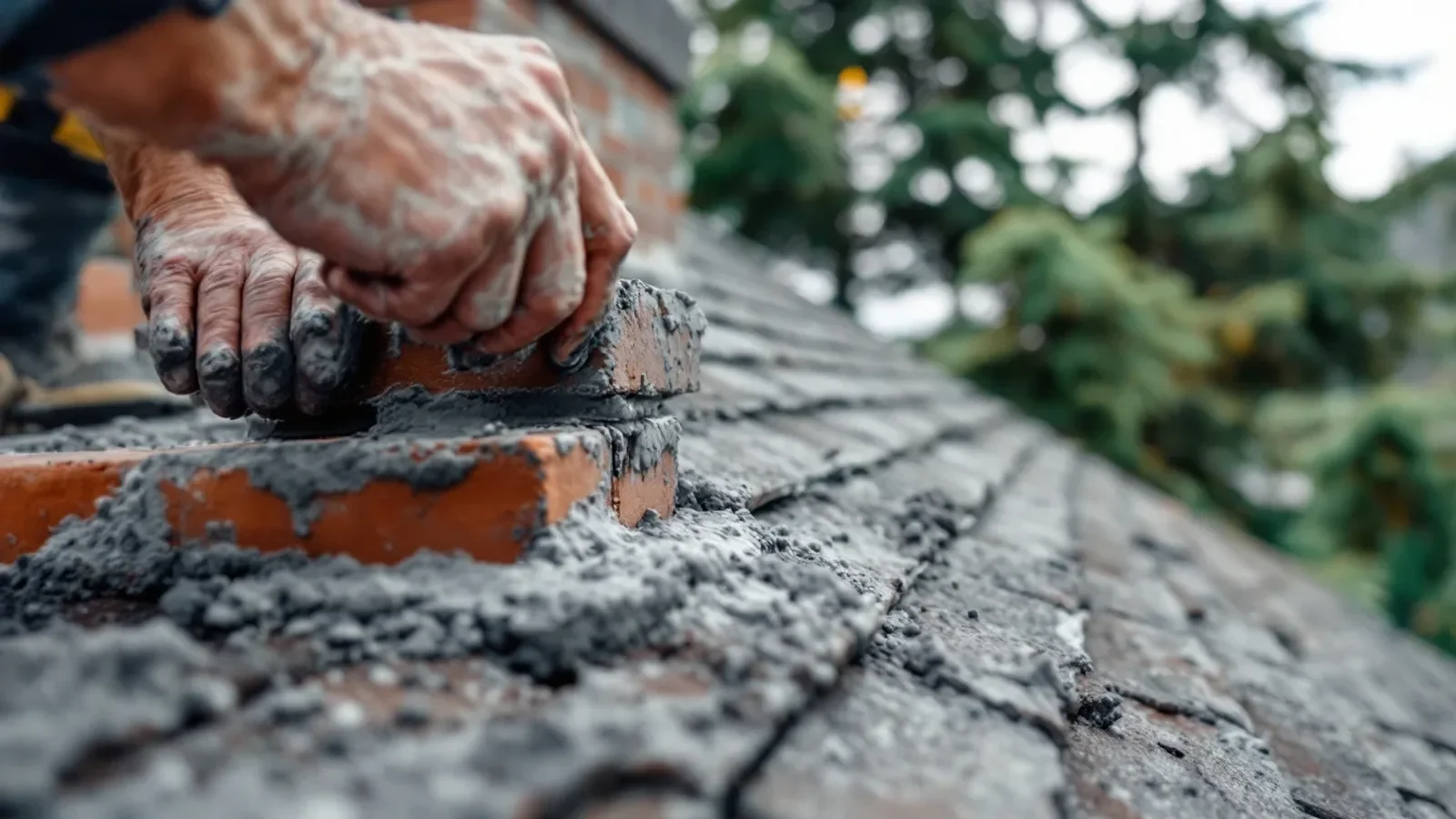
- Examine Mortar Joints: If you spot gaps, deep cracks, or sandy residue falling from the joints, the mortar is failing and needs tuckpointing.
- Inspect the Crown: The concrete crown should slope away from the flue to shed water. Cracks here allow rainwater to travel straight down into the interior walls of your home.
2. Examine the Chimney Cap and Spark Arrestor
A functional cap is your primary line of defense against the elements. In Seattle, where wind-driven rain is common, a missing or damaged cap is a recipe for a soggy firebox and mold growth. Ensure the cap is securely fastened and that the mesh spark arrestor screen is clear of leaves, pine needles, and nesting materials left behind by summer birds or squirrels.
3. Test the Damper Functionality
Open and close your throat damper or top-mount damper to ensure it moves smoothly. It should create a tight seal when closed to prevent warm indoor air from escaping up the flue when the fireplace is not in use. If the damper is rusted, stuck, or does not close completely, it will drive up your heating bills and allow damp, cold air to draft down into your living room.
4. Check the Firebox and Hearth Area
Look inside the firebox for any signs of physical damage or degradation. Check the firebricks for cracks or loose mortar. Look for white, powdery staining on the brick walls, a phenomenon known as efflorescence. This powder is made of salt deposits left behind by evaporating water, indicating that moisture is actively leaking through your masonry from the outside.
5. Schedule a Professional Sweep and Safety Inspection
The National Fire Protection Association (NFPA) recommends that all chimneys, fireplaces, and vents be inspected at least once a year. When searching for a reliable chimney sweep near me, ensure you choose a local specialist familiar with Seattle building styles and local weather challenges. Nation Wide Chimney Sweep&Repair provides thorough evaluations to verify that your flue is completely clear of creosote, animal nests, and structural blockages before you light your hearth.
Comparing Wood, Gas, and Pellet Systems for PNW Winters
Different hearth types require distinct care routines. Use the comparison table below to understand the unique maintenance needs, typical vulnerability points, and professional sweeping frequencies for each type of heating appliance common in the Seattle area.
| Hearth Type | Primary Autumn Vulnerability | Key Maintenance Task | Sweeping Frequency |
|---|---|---|---|
| Wood-Burning Fireplace | Heavy creosote buildup; moisture absorption in flue soot. | Flue sweeping, soot removal, damper inspection. | Annually (or after burning 1-2 cords of wood). |
| Gas Fireplace Insert | Spider webs in burner orifices; faulty thermocouple or pilot light. | Cleaning the glass, checking gas connections, testing the pilot. | Every 1-2 years to check ventilation and gas lines. |
| Pellet Stove | Fine ash buildup in venting pipes; mechanical wear on the auger. | Deep ash vacuuming, cleaning the exhaust pipe, testing sensors. | Annually (and regular user cleaning every month of active use). |
Understanding the Anatomy of Your Chimney: Hidden Trouble Spots
Many of the most serious structural and safety issues occur in areas of the chimney that are completely invisible from your living room floor. Understanding these components helps you make informed decisions when reviewing an inspection report from a qualified technician.
The Chimney Flue and Liner
The flue liner contains the heat, smoke, and combustible gases produced by your fire, directing them safely out of your home. Clay tile liners are common in older homes throughout neighborhoods like Capitol Hill and Queen Anne. Over time, these tiles can crack or split due to thermal shock or moisture penetration. If a liner is compromised, heat can transfer to nearby wooden wall framing, creating a severe fire hazard.
The Smoke Shelf and Damper Chamber
Located just behind the damper, the smoke shelf is designed to catch falling debris and prevent downdrafts from pushing smoke back into your home. Because this area is horizontal, it frequently accumulates fallen soot, twigs, and dead leaves. A build-up of organic material on the smoke shelf can restrict airflow and create an odor of old soot that wafts into your home on warm, damp autumn days.
The Flashing and Roof Intersection
The flashing is the metal barrier that seals the gap where your masonry structure penetrates through your roofline. In Seattle, where persistent rain is the norm, failing flashing is one of the most common causes of hidden ceiling leaks. If the sealant around the flashing dries out or the metal corrodes, rainwater will run down the outside of the chimney stack, damaging drywall, wood framing, and attic insulation.
Smarter Wood Burning: Tips for Cleaner Fires and Less Creosote
The way you operate your fireplace has a direct impact on how quickly creosote accumulates in your system. By practicing smart burning habits, you can keep your home warmer, improve air quality, and reduce the frequency of heavy soot accumulation.
Always Burn Seasoned Hardwood
Burning wet, green, or unseasoned wood is incredibly inefficient. When you burn wet wood, a massive amount of heat energy is wasted simply boiling off the water trapped inside the logs. This results in a cool, smoky smolder rather than a hot, clean fire. The cool smoke condenses rapidly on the cold flue walls, accelerating creosote buildup. Opt for seasoned wood with a moisture content below twenty percent. For local wood supplies, look for seasoned Douglas fir, maple, or alder, and store it off the ground, covered from the Seattle rain.
Maintain a Hot, Active Fire
Avoid letting your fire smolder for long periods. Low-temperature fires do not create enough draft to carry combustion byproducts completely out of the flue. Keep your fires burning brightly by arranging logs to allow proper airflow and adjusting your damper to supply sufficient oxygen. A hotter fire ensures more complete combustion, leaving less soot behind.
Never Burn Garbage, Plastic, or Treated Wood
It can be tempting to throw shipping pallets, construction scraps, or cardboard packaging into your fireplace. However, treated wood, painted wood, and trash release highly toxic chemicals and corrosive acids when burned. These substances can quickly degrade your chimney liner, corrode metal components, and pose a severe respiratory risk to your family and neighbors.
The Importance of Professional Chimney Cleaning in Seattle
While DIY videos might make chimney sweeping look like a simple task, the reality of working on rooftops in slippery PNW weather requires specialized equipment, safety harnesses, and professional training. Homeowners who attempt to clean their own flues often miss glazed creosote or fail to spot subtle structural cracks that could lead to a house fire.
What to Expect During a Professional Sweep
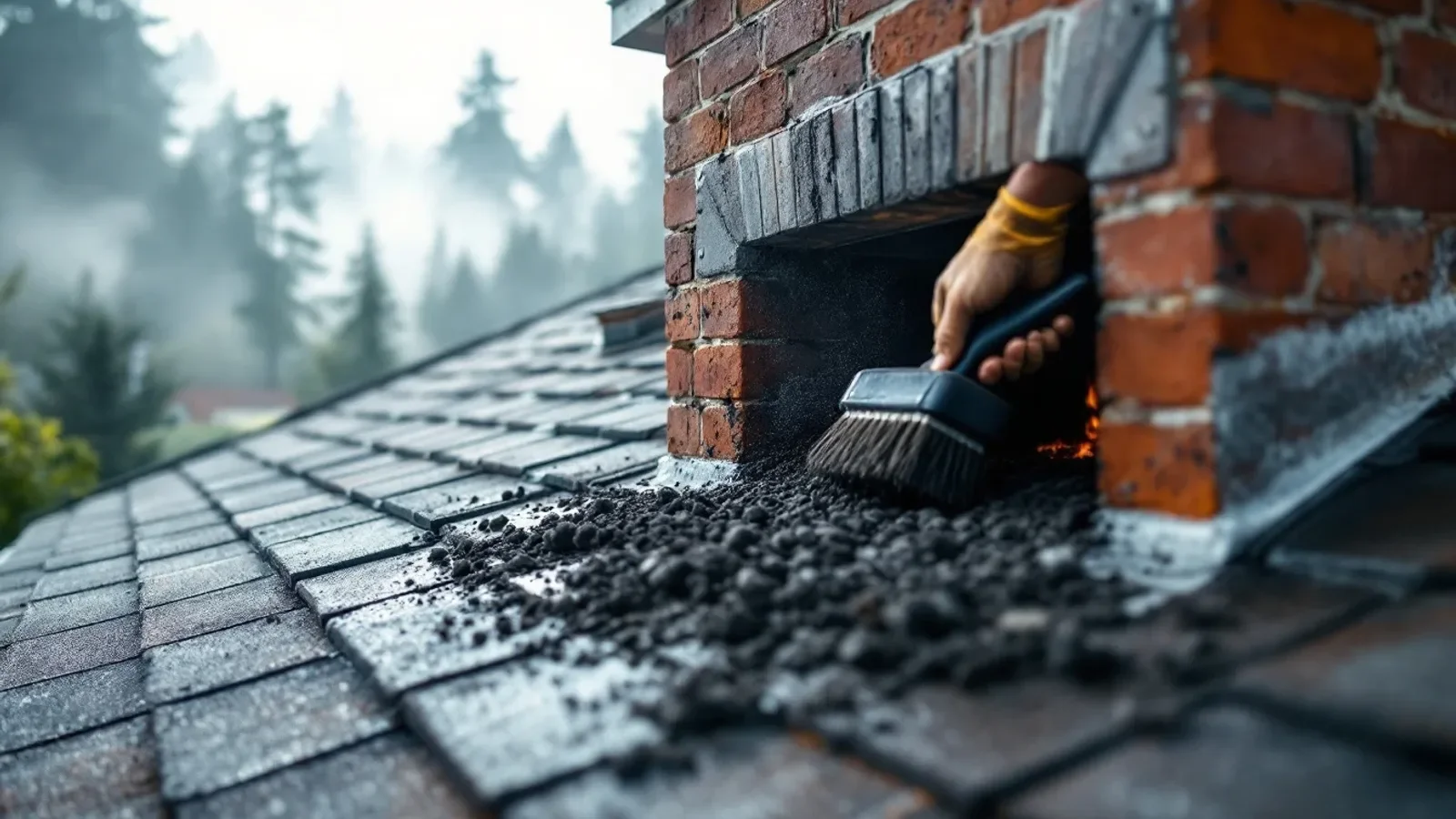
A professional technician from Nation Wide Chimney Sweep&Repair begins by prepping your living room to ensure no soot escapes into your home. We lay down heavy drop cloths and set up high-powered vacuum systems designed to capture fine dust particles. Using specialized rods and brushes, we sweep the entire length of the flue, clearing out soot, creosote, and blockages. Afterward, we perform a multi-point safety inspection to verify that your system is physically sound and ready for use.
Identifying Moisture Intrusion Early
Our experienced sweeps are trained to look for the subtle signs of moisture intrusion that homeowners often overlook. Catching a small leak in the flashing, a hairline crack in the crown, or early mortar deterioration in the autumn can save you from costly structural repairs down the road. Addressing these issues early preserves your masonry and protects your home’s value.
Protecting Your Peace of Mind
There is nothing quite like the comfort of a warm fire on a stormy Seattle night. By completing your autumn fireplace preparation, you can enjoy that warmth with the confidence that your system is drawing properly, free of blockages, and completely safe for your family. Do not wait until the first major freeze of the season to find out if your system is functioning correctly.
Frequently Asked Questions About Chimney Care
How often should I get a chimney cleaning in Seattle?
Generally, you should have your venting system inspected annually and swept if there is a soot layer thicker than one-eighth of an inch. For active wood burners in the Seattle area, an annual clean is highly recommended due to the damp climate, which can accelerate creosote glazing.
What are the signs that my chimney needs immediate sweeping?
Common signs include smoke backup into your living room, a strong smell of campfire soot when the fireplace is cold, visible black soot falling into the firebox, or a fireplace that is difficult to light and keep burning. If you notice any of these signs, avoid using your fireplace until it has been professionally evaluated.
Why does my fireplace smell bad when it rains in Seattle?
High humidity and rain can damp down the air inside your flue, pushing odors downward. Creosote and soot naturally absorb moisture, which releases a strong, smoky, or musty odor. A thorough cleaning removes the source of the smell, and a top-sealing damper can help block downdrafts when the fireplace is dormant.
Can I sweep my own chimney to save money?
While basic cleaning kits are available, DIY sweeping often fails to remove hardened, glazed creosote. Additionally, homeowners lack the specialized camera equipment and structural knowledge required to identify hidden cracks, flue deterioration, or flashing leaks. Professional servicing ensures complete safety and preserves your home’s structural integrity.
Ensure a Warm and Safe Winter with Professional Care
Taking care of your fireplace before the damp Pacific Northwest winter sets in is the best way to protect your home and family. For expert care from a highly rated local team, schedule your air duct cleaning today and fireplace safety inspection with Nation Wide Chimney Sweep&Repair to get your home winter-ready.