What to Expect During a Seattle Chimney Cleaning and Safety Inspection
As the cool, damp Pacific Northwest autumn rolls into Seattle, residents across King County begin preparing their homes for the long heating season. The comfort of a crackling fire is unmatched, but ensuring your hearth is ready for regular use requires more than just stacking firewood. Scheduling a professional chimney cleaning is a critical first step in home maintenance. This detailed guide walks you through every stage of a standard sweep and safety evaluation, showing you exactly what happens from the moment a technician arrives at your door to the final safety certification.
The Damp Climate Factor: Why Pacific Northwest Chimneys Need Extra Care
Moisture, Creosote, and the Freeze-Thaw Cycle
Seattle is famous for its consistent drizzle, and this airborne moisture plays a significant role in how soot behaves inside your flue. When rain mixes with the carbon-heavy exhaust of wood fires, it accelerates the formation of creosote. Creosote is a highly flammable, tar-like substance that clings to the clay tile or metal liners of your exhaust system. Unlike dry climates where soot remains powdery, the high humidity in Western Washington causes creosote to become sticky, dense, and exceptionally difficult to brush away without specialized tools.
The Threat of Acidic Condensation
When wood burns, it releases water vapor along with combustion gases. In a cold, damp environment like ours, this vapor cools rapidly as it rises through the masonry stack. It condenses on the cold inner walls of the flue, mixing with sulfur and nitrogen oxides to form mild acids. Over time, this acidic moisture eats away at clay flue tiles and dissolves the mortar joints holding your masonry together. A routine chimney sweep does more than clear soot; it identifies these early stages of chemical degradation before they compromise your home’s safety.
Common Regional Fuel Sources and Their Impact
Many homeowners in Washington burn local softwoods like Douglas fir, western hemlock, or cedar. While these species are abundant and smell wonderful, they contain high resin contents. If wood is not seasoned to a moisture content below twenty percent, it burns cool and dirty, depositing massive amounts of creosote. Professional sweeping services specifically target these stubborn resin deposits, clearing the passage so draft and ventilation function at peak efficiency.
Pre-Arrival Preparation: What to Do Before Your Sweep Arrives
Clearing the Hearth and Living Area
Before a technician steps into your living room, taking a few simple steps will ensure the process goes smoothly. Clear a space of roughly six to eight feet around your fireplace, wood stove, or insert. Remove fragile items from the mantel, coffee tables, and nearby shelves. While professional crews take extensive precautions to keep your home pristine, having a clear workspace prevents accidental bumps and allows technicians to set up their protective drop cloths quickly.
Ceasing Fireplace Use Ahead of Time
For safety and efficiency, your fireplace must be completely cold before work begins. Stop using your heating appliance at least twenty-four hours before your scheduled appointment. Hot coals, active embers, or even radiant heat trapped in thick firebrick can melt plastic vacuum hoses, damage nylon brush bristles, and present severe burn hazards to the technician during close-up hand inspections.
Securing Pets and Clearing Access Paths
Technicians will need to carry heavy tool bags, specialized industrial vacuums, and long rods from their service vehicle into your home. Ensure your entryways, hallways, and the path to your fireplace are free of obstacles. It is also wise to keep pets secured in a separate room, as the unfamiliar sounds of vacuum motors and scraping brushes can be stressful for dogs and cats.
The Internal Inspection: Assessing the Firebox and Hearth
Examining the Firebox and Grate
Once inside your Seattle home, the technician begins with a visual assessment of the firebox, the area where the actual fire burns. They examine the firebrick for deep cracks, loose mortar, or signs of structural shifting. In wood stoves or inserts, they check the baffle plates, secondary air tubes, and door gaskets to ensure a tight, efficient seal. Any deterioration here can allow extreme heat or stray embers to reach nearby wall framing.
Evaluating the Damper Assembly
The damper is the metal valve or plate that controls airflow through your flue. The technician will test the damper’s operation, ensuring it opens fully and seals tightly when closed. In damp regions, metal dampers frequently suffer from rust, which can cause them to warp or stick in place. A malfunctioning damper can either choke your fire, causing smoke to spill into your living room, or let expensive household heat escape up the flue when the fireplace is idle.
Checking the Ash Dump and Cleanout Door
Many traditional masonry fireplaces feature an ash dump, a small metal trap door in the floor of the firebox that drops ash into a basement or crawlspace collection chamber. The technician will inspect this door to ensure it operates smoothly. They will also locate the external cleanout door, typically found on the basement wall or exterior masonry stack, to inspect it for rust and clear out accumulated ash debris.
The Cleaning Process: How Professionals Sweep a Chimney
Establishing Dust Control Boundaries
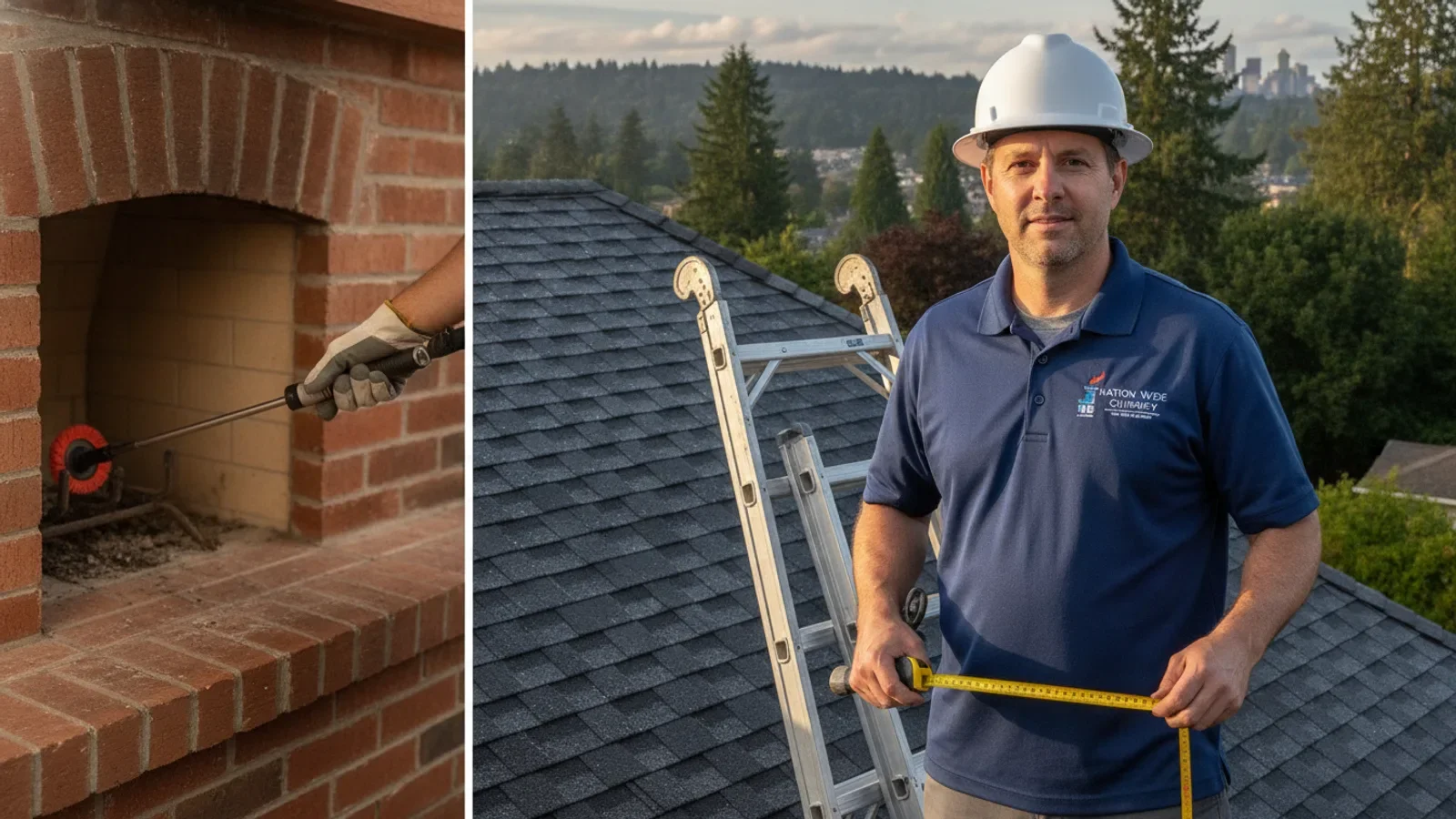
The hallmark of a high-quality professional chimney sweep seattle service is a spotless home after the work is complete. Technicians lay down heavy-duty canvas drop cloths across the floor in front of the hearth to protect your hardwood or carpet. They then seal the fireplace opening with plastic sheeting, leaving just enough room to insert their tools, and connect a specialized high-efficiency particulate air vacuum. This vacuum runs continuously during the cleaning process, pulling a negative draft to capture airborne soot before it can drift into your living space.
Mechanical Sweeping Methods
Modern sweeps use advanced mechanical rotary cleaning systems rather than simple hand brushes. These systems utilize flexible, spinning rods tipped with heavy-duty plastic lines or metal chains, driven by a power drill. As these rods travel up the flue, they spin rapidly, knocking loose stubborn soot, flaky glaze, and brittle creosote deposits without scratching or damaging the underlying clay liner or metal flue walls.
| Creosote Stage | Physical Appearance | Severity / Action Required |
|---|---|---|
| Stage 1 (Soot) | Velvety, dry, powdery black dust | Standard sweeping easily removes this level. Low hazard. |
| Stage 2 (Flaky) | Hard, dark brown flakes or shiny scales | Requires rotary loop brushes or scraping. Moderate hazard. |
| Stage 3 (Glaze) | Thick, sticky, tar-like, or glassy black coating | Highly flammable. Requires chemical treatments and heavy-duty rotary tools. Extreme hazard. |
The Final Vacuuming and Cleanup
Once the brushing is complete, all the loosened soot collects at the bottom of the flue or on the smoke shelf (the flat area behind the damper). The technician carefully vacuums up this debris, ensuring no dust escaping. They clean off the damper, wipe down the firebox walls, and pack up their gear, leaving your hearth cleaner than they found it.
The Exterior and Attic Inspection: Finding Structural Vulnerabilities
Evaluating the Roofline Masonry
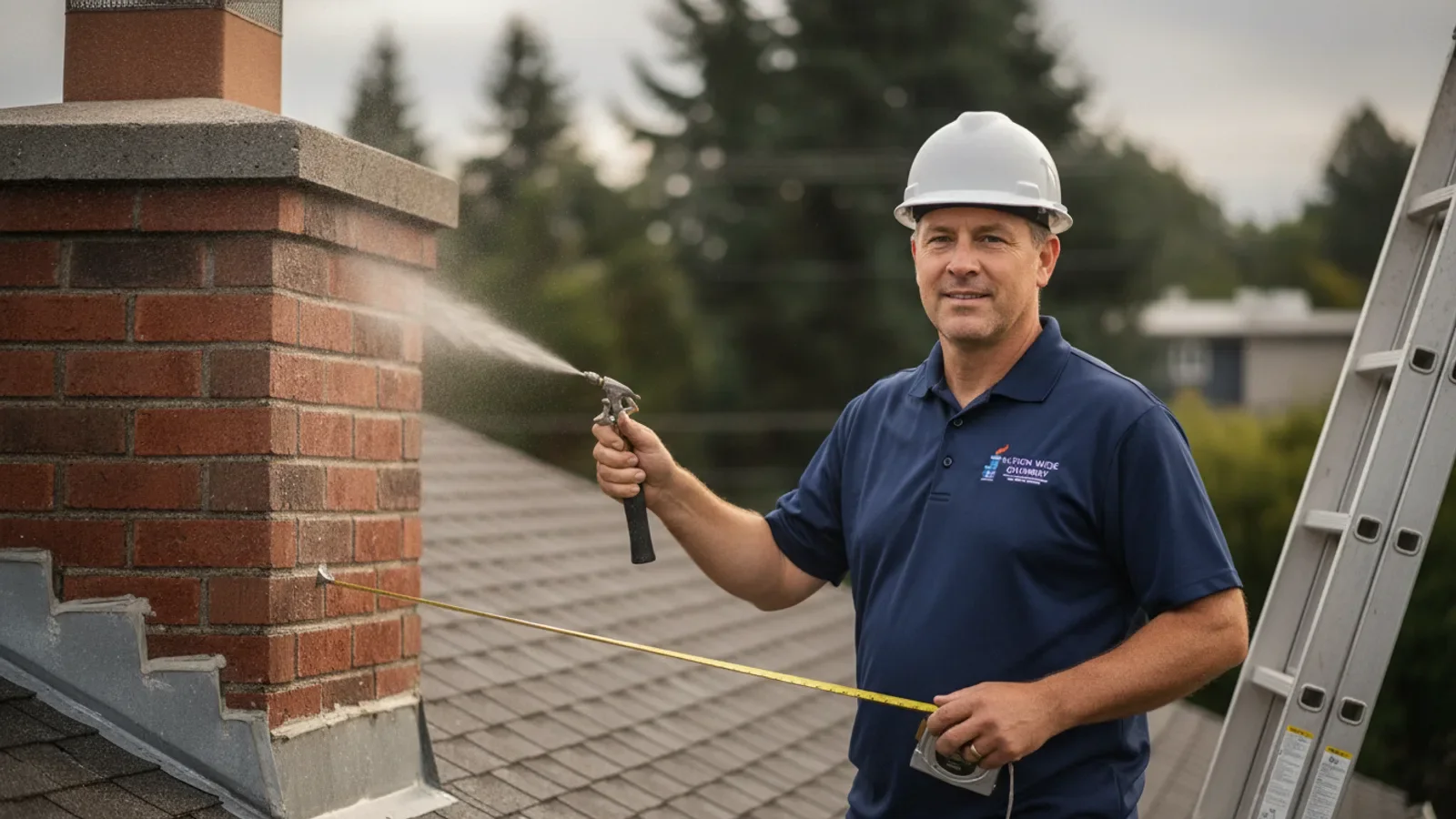
A chimney sweep’s job is only half done once the interior is clean. The technician must inspect the exterior structure, which bears the brunt of Washington’s harsh, rainy winters. Climbing to the roofline, they examine the mortar joints between the bricks for signs of softening, crumbling, or sandy texture. When water penetrates these joints, the freezing air of winter causes the trapped moisture to expand, cracking the mortar and eventually causing the brickwork to spall, shift, or fail entirely.
Checking the Crown and Chimney Cap
At the very top of your masonry structure sits the concrete wash or crown, which sheds water away from the bricks. Technicians inspect this crown for hairline cracks that could let rain seep into the interior walls of the stack. They also check the metal chimney cap and spark arrestor. In Seattle, keeping this cap in good condition is vital to prevent birds, squirrels, and heavy rain from entering your flue, while also keeping stray sparks from landing on your roof.
Identifying Attic Water Damage
If your chimney passes through an attic space, a thorough safety check includes looking at this hidden transition area. The technician will search for signs of active roof leaks around the chimney flashing, water staining on nearby rafters, or wood rot on the roof sheathing. Finding these issues early can prevent costly structural chimney repairs washington down the road.
Modern Diagnostic Tools: The Value of Video Inspections
While a flashlight and mirror can reveal a lot, they cannot show the entire interior of a vertical flue. That is why professional sweeps utilize specialized closed-circuit camera systems designed specifically for chimney diagnostics. This technology provides an unmatched level of accuracy when evaluating the safety of your venting system.
- Inserting the Camera: The technician lowers or pushes a high-resolution, self-leveling camera mounted on a flexible rod through the entire length of the flue.
- Real-Time Video Feed: The camera transmits a live, bright, color image to a monitor, allowing both the technician and the homeowner to see every inch of the liner.
- Spotting Hidden Fractures: This close-up view makes it easy to detect cracked clay tiles, missing mortar joints, or gaps between flue liner sections that would otherwise remain hidden from view.
- Documenting the Findings: The software captures photos and videos, providing clear, photographic evidence for real estate transactions, insurance claims, or planned chimney repair seattle projects.
The Inspection Report: Understanding the Results and Next Steps
Reviewing NFPA Inspection Levels
The National Fire Protection Association (NFPA) categorizes chimney inspections into three distinct levels. A Level 1 inspection is the standard evaluation performed during a routine cleaning, covering all easily accessible interior and exterior portions of the system. Level 2 inspections are required during real estate transfers, after a chimney fire, or when changing fuel types, and include video scanning. Level 3 inspections are reserved for suspected structural damage and may involve opening up walls or ceilings to examine hidden parts of the stack.
Decoding Recommended Repairs
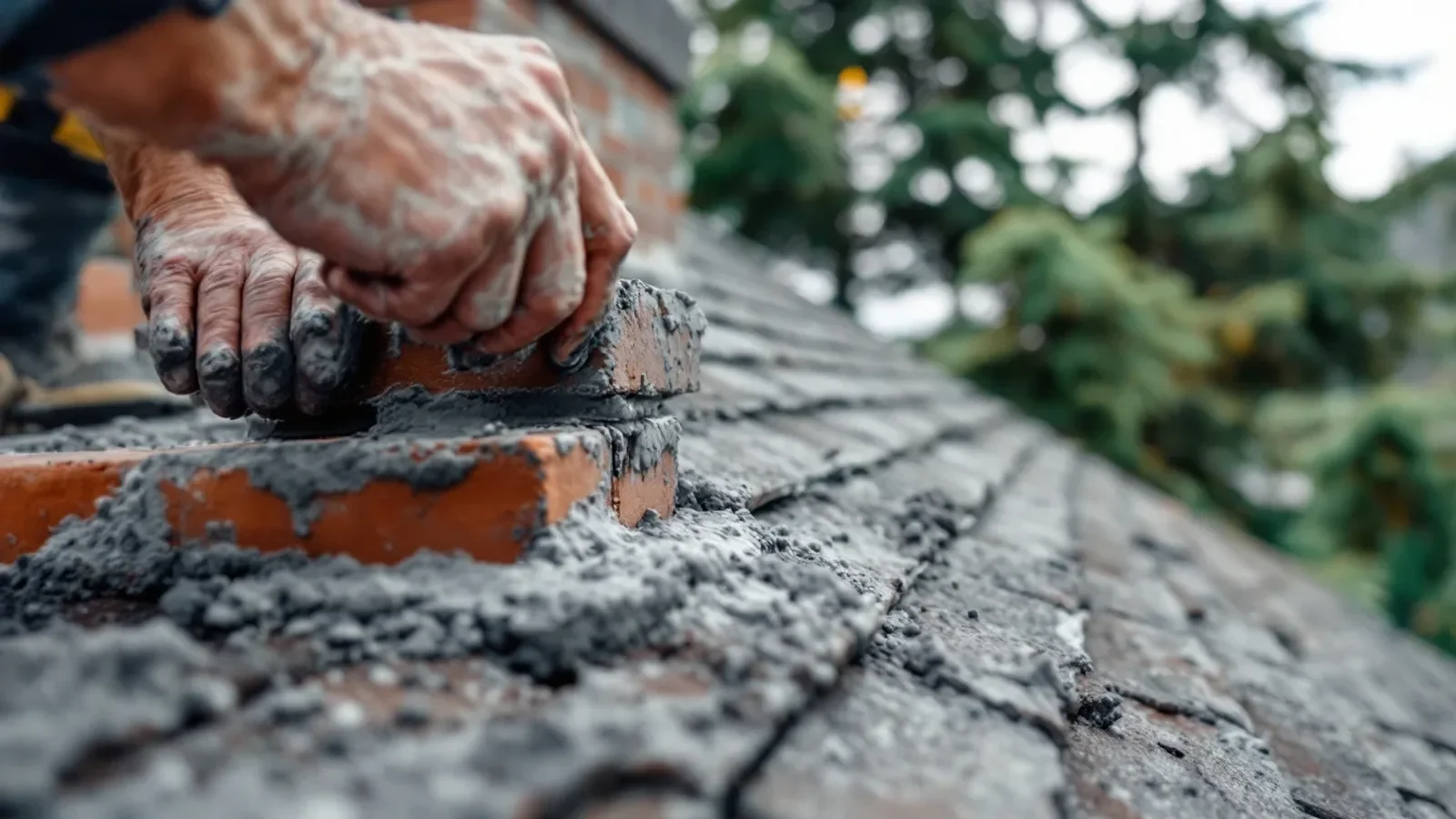
If your technician identifies safety hazards during the evaluation, they will detail these findings in a written report. Common recommendations in our area include tuckpointing (scraping out crumbling mortar and replacing it with fresh, weather-resistant mortar), installing a stainless steel liner to bypass cracked clay tiles, or sealing the exterior masonry with a vapor-permeable water repellent designed specifically for brick structures.
Establishing a Maintenance Schedule
Regular maintenance is key to keeping your home safe. Even if you do not use your fireplace daily, seasonal shifts, nesting pests, and moisture accumulation can still cause hidden wear. Most homeowners in King County find that an annual safety inspection and sweep before the cold weather sets in keeps their heating systems operating safely and efficiently year after year.
Frequently Asked Questions
How often should I have my chimney cleaned in Seattle?
Most industry standards recommend having your flue inspected at least once a year, with sweepings performed whenever creosote deposits reach one-eighth of an inch in thickness. For casual users, an annual inspection is still vital to check for animal nests, moisture damage, and structural shifting after damp winters.
Will a chimney sweep leave a mess inside my home?
No, a professional sweep uses drop cloths, plastic barriers, and industrial-strength HEPA vacuums to capture all soot and dust at the hearth. The cleaning process is designed to keep your indoor air and flooring completely free of debris.
What is the difference between a Level 1 and a Level 2 inspection?
A Level 1 inspection is a visual check of all readily accessible areas of your fireplace and flue. A Level 2 inspection includes a detailed video scan of the interior liner, an examination of attic clearances, and is required during home sales, fuel conversions, or after a seismic event.
Why does my fireplace smell bad during the summer?
Summer odors are usually caused by high humidity drawing air down the flue, carrying the smell of old soot and creosote into your living room. A professional cleaning in the spring can remove these odor-causing deposits before the warm weather begins.
Protect Your Seattle Home and Hearth Today
Ensuring your fireplace is safe, clean, and draft-efficient is essential for peace of mind during our long, wet winters. Contact Nation Wide Chimney Sweep&Repair in Seattle today to schedule your chimney cleaning and safety inspection with our experienced team.