The Real Cost of Seattle Chimney Cleaning and How to Evaluate Your Quote
As the cool, damp Pacific Northwest autumn rolls into Seattle, residents begin stocking up on seasoned firewood for those chilly evenings. Before you strike the first match of the season, ensuring your venting system is safe and clear of obstructions is a critical step. If you are researching chimney cleaning to prepare your home, you have likely noticed that pricing is rarely a one-size-fits-all figure. This guide breaks down the primary variables that shape professional service rates in the Puget Sound area, helping you evaluate local service proposals with confidence.
The Myth of the Flat-Rate Chimney Sweep
Why Static Pricing Fails for Seattle Homes
It is common to search online hoping to find a quick, fixed price for venting maintenance. However, Seattle features an incredibly diverse housing stock, ranging from historic Craftsman bungalows in Queen Anne to contemporary multi-story homes in Capitol Hill. A static, flat-rate quote over the phone often fails to account for the unique architecture of your venting system. True professionals evaluate the height, complexity, and physical condition of the flue before finalizing a price. This ensures you do not face surprise charges once the technician arrives on your roof.
The Risk of Low-Ball Estimates
When an estimate seems unusually low, it is often a sign of a surface-level sweep that skips critical structural checks. A thorough service involves more than just brushing away loose soot. It requires assessing the integrity of the flue liner, checking for water intrusion, and identifying early signs of masonry decay. Cheap estimates frequently exclude the containment systems needed to keep soot out of your living room, or they may lack the comprehensive diagnostic steps required to confirm your system is safe to burn wood.
What Quality Service Actually Includes
A reputable Seattle chimney sweep brings specialized industrial vacuums, heavy-duty cameras, and customized brushes designed for specific liner materials like clay tile or stainless steel. The service includes protecting your flooring with drop cloths, sealing off the fireplace opening to prevent airborne dust, brushing the entire length of the flue, clearing the smoke shelf, and conducting a detailed visual inspection. Investing in this level of care helps prevent dangerous chimney fires and protects your property from messy soot leaks.
Key Fireplace Cleaning Cost Factors Explained
The Role of Creosote Accumulation
Creosote is a highly flammable byproduct of wood combustion that coats the inside of your flue. It develops in three distinct stages, and the stage of your buildup heavily influences the effort required for removal. Stage one creosote is a light, dusty soot that brushes away easily. Stage two forms crunchy, tar-like flakes that require specialized scraping tools. Stage three creosote is a dense, glossy glaze that bakes onto the liner. Removing stage three glaze requires specialized chemical treatments or advanced mechanical rotary loops, which naturally increases the labor and time required for your chimney cleaning.
Accessibility and Roof Pitch
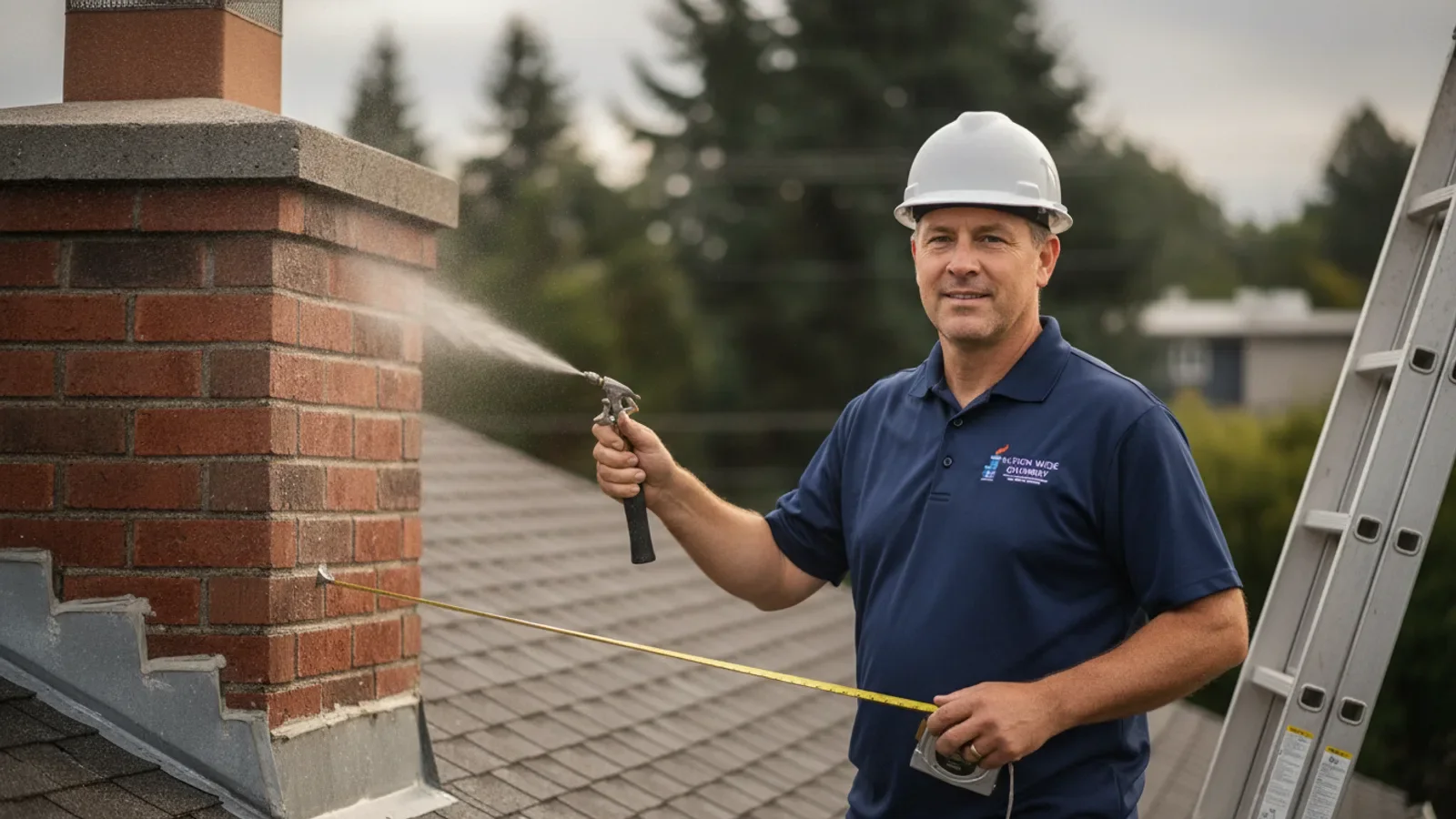
The physical layout of your home plays a major role in labor calculations. A single-story home with a flat, easily accessible roof presents minimal risk and setup time for a technician. Conversely, a steep, multi-story Tudor home with a high roofline requires specialized safety harnesses, longer ladders, and additional setup time. If your chimney cannot be safely swept from the hearth upward and requires extensive rooftop work on a steep pitch, the safety precautions and labor time will adjust accordingly.
Type of Appliance and Flue Design
An open masonry fireplace has different maintenance needs than a wood stove insert or a pellet stove. Wood stove inserts often must be carefully uninstalled or shifted forward to access the connection to the liner. Double-flue systems, multi-sided fireplaces, or homes with multiple appliances venting through a single stack will require distinct cleaning processes for each individual venting pathway. This complexity directly shapes the time a technician spends on-site.
Evaluating Chimney Quotes in the Puget Sound Region
When comparing estimates from local service companies, it is important to look beyond the bottom-line number. Understanding what is included in the service scope ensures you are comparing equivalent levels of care and safety for your Seattle home.
| Service Level | Key Inclusions | Best For |
|---|---|---|
| Standard Sweep & Inspection | Full flue brushing, soot containment, fireplace cleaning, Level 1 visual inspection of accessible components. | Annually maintained fireplaces burning seasoned firewood. |
| Heavy Creosote Clearing | Rotary loop descaling or chemical glaze treatment, plus standard sweeping and detailed safety assessment. | Systems with glazed creosote or chimneys that haven’t been swept in several years. |
| Complex Insert Sweep | Pulling or shifting wood stove inserts, cleaning the liner and connector pipe, sealing gaskets. | Homes with freestanding wood stoves or fireplace inserts. |
Verifying Certifications and Insurance
Before hiring any technician to work on your roof or fireplace, verify their credentials. A professional team should carry comprehensive liability insurance to protect your property in the event of an accident. They should also follow the high safety and cleaning standards established by national chimney safety organizations. Working with qualified experts ensures that your fireplace is evaluated according to modern safety codes.
The Value of Local Expertise in Seattle
Our Pacific Northwest climate introduces unique challenges to masonry and venting systems. Seattle’s persistent dampness, combined with winter freeze-thaw cycles, can cause moisture to seep into brickwork and mortar joints. Local experts like Nation Wide Chimney Sweep&Repair understand these regional weather patterns. We know how to spot early signs of water damage, spalling brick, and failing flashing that out-of-town franchises might overlook during a basic cleaning.
The Financial Impact of Neglecting Your Venting System
When Simple Cleaning Turns Into Major Reconstruction
Delaying regular maintenance to save a quick buck often leads to much higher expenses down the road. When soot and creosote are left inside a flue for years, they absorb moisture from our humid Seattle air. This acidic mixture slowly eats away at clay tile liners and corrodes metal components. Catching these issues early during an annual check allows for minor, affordable repairs rather than a complete flue relining or structural rebuild.
Preventing Chimney Fires and Property Damage
The primary purpose of regular cleaning is to remove fuel for potential chimney fires. A chimney fire can burn at temperatures exceeding 2,000 degrees Fahrenheit, which is hot enough to melt metal liners, crack masonry, and quickly spread to the wooden framing of your home. The cost of repairing fire damage far outweighs the modest investment of routine preventive maintenance.
Optimizing Heating Efficiency
A clean flue provides the proper draft required for your fireplace or wood stove to burn fuel efficiently. When soot restricts the airflow, your fires will burn cooler, produce more smoke, and consume wood much faster. Regular sweeping ensures optimal draft, meaning you get more heat out of every log and experience less smoke backdrafting into your living spaces.
How to Identify a Reputable Professional and Avoid Scams
The “Cheap Sweep” Warning Signs
Be cautious of unsolicited phone calls or flyers offering unbelievably cheap rates for venting sweeps. These operators often use low prices to get their foot in the door, only to perform a hasty, messy job or invent non-existent, expensive structural emergencies. A reputable business will provide a clear, written breakdown of their findings and explain exactly why any additional repairs are recommended.
Key Questions to Ask Before Hiring
To protect your home and your wallet, ask prospective service providers these clarifying questions:
- Do you use specialized HEPA-filtered vacuum systems to prevent soot from entering my home’s air?
- Is a visual inspection of the liner included with the sweep?
- Are your technicians fully insured for roofing and chimney work?
- Do you provide digital photos or video footage of any damage you find?
Reading and Comparing Written Estimates
A professional written estimate should clearly separate the cost of the cleaning from any recommended repairs. It should itemize the labor, materials, and specific areas of the chimney being serviced. If a quote is vague or groups multiple complex tasks into a single high price, request a detailed breakdown so you can see exactly where your money is going.
Understanding the Multi-Step Professional Cleaning Process
Step 1: Preparation and Property Protection
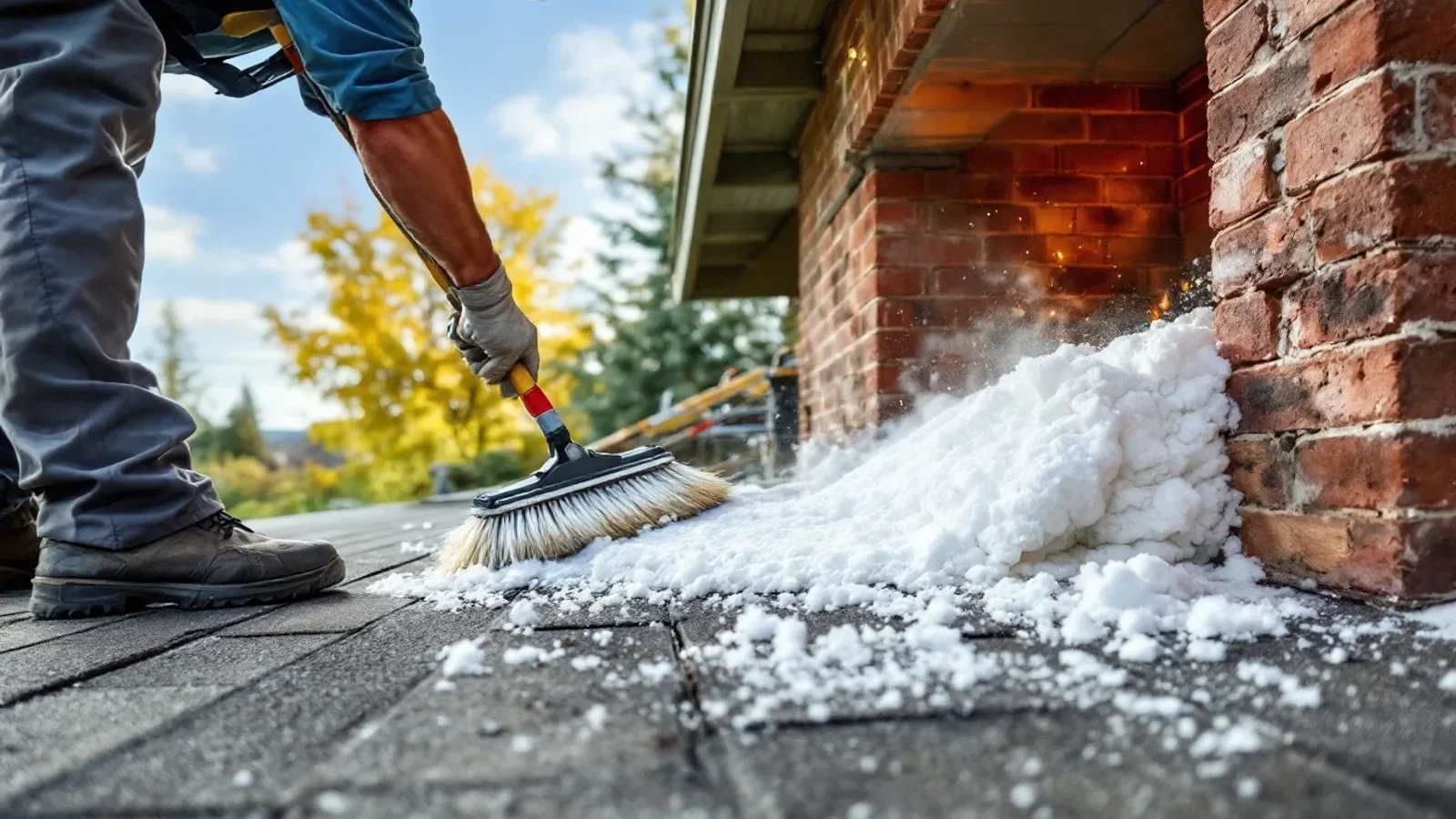
The process begins before a brush ever touches the flue. Technicians lay down heavy canvas drop cloths to protect your carpets and hardwood floors from ash and dirt. They seal off the fireplace opening with plastic sheeting and set up specialized negative-pressure dust collectors to ensure no airborne soot particles drift into your rooms during the sweep.
Step 2: Systematic Brushing and Vacuuming
Using flexible rods and specialized brushes sized to match your flue liner, the technician sweeps from either the hearth or the roof, depending on the system’s design. This action dislodges creosote, soot, and any nesting debris. Simultaneously, high-powered vacuums collect the falling debris at the base, ensuring a clean and dust-free operation.
Step 3: Post-Clean Evaluation and Documentation
Once the venting path is clean, the technician inspects the damper, smoke shelf, firebox, and flue liner for cracks, gaps, or structural wear. Any areas of concern are documented with clear photos so you can see the condition of your system firsthand. For comprehensive safety assessments, you can also schedule a professional chimney inspection to get a complete diagnostic report on the health of your masonry.
Frequently Asked Questions About Chimney Sweeping
How often should I have my chimney cleaned in Seattle?
Most safety organizations recommend having your wood-burning chimney swept and inspected once a year, or after every cord of wood burned. Even if you rarely use your fireplace, annual checks are important to clear out spiderwebs, bird nests, or debris that may have accumulated over the summer.
Can I clean my own fireplace to save money?
While light cleaning of the firebox floor is safe for homeowners, sweeping the flue requires specialized rods, brushes, and safety gear. Without proper training and industrial vacuums, DIY attempts often result in massive soot spills inside the home and miss critical structural defects inside the flue that could lead to fires.
What is the difference between a sweep and an inspection?
A sweep is the physical removal of soot and creosote from the flue and firebox. An inspection is a detailed diagnostic evaluation of the system’s structural integrity and code compliance. A professional sweep should always include a basic visual inspection to ensure the system is safe to use.
Why does my fireplace smell bad during Seattle’s humid summers?
Summer humidity reacts with the creosote deposits inside an unswept flue, creating a strong, smoky, or asphalt-like odor. This smell is often drawn down into the home by air conditioners or kitchen exhaust fans. A spring or summer cleaning removes these deposits and eliminates the source of the odor.
Conclusion
Investing in professional care for your fireplace is about protecting your home, your family, and your peace of mind. By understanding the factors that shape service quotes, you can make informed decisions and avoid underpriced, low-quality work that compromises your safety. To keep your home warm and secure all winter long, schedule your chimney cleaning today with our expert local team.