Evaluating Chimney Repair in Seattle: A Homeowner’s Guide to Masonry Quotes
Owning a home in the Pacific Northwest means managing the unique relationship between water and masonry. When you receive a quote for chimney repair in Seattle, the numbers can sometimes feel overwhelming, and the technical terms can be confusing. This guide breaks down the structural mechanics of Seattle chimney masonry cost factors, explains how our damp maritime climate accelerates wear, and shows you how to evaluate a professional repair estimate with complete confidence.
The Myth of the Quick Chimney Fix
Why Surface Patches Fail in the Pacific Northwest
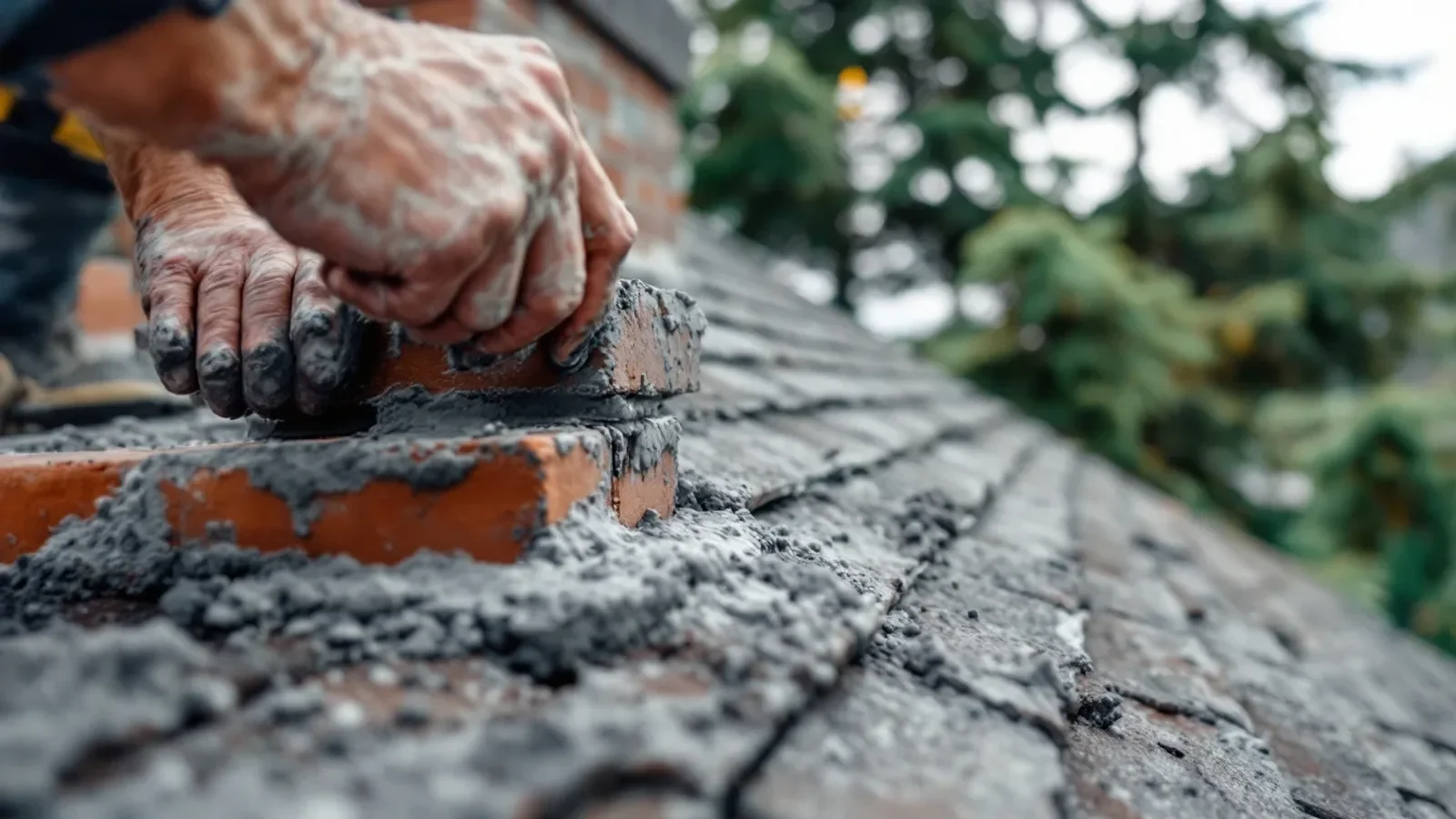
Many homeowners hope a quick smear of retail mortar over a visible crack will solve their masonry issues. In Seattle, this superficial approach often traps moisture inside the chimney column rather than keeping it out. When water enters through porous brick or hairline fractures, it settles behind the patch. As temperatures drop, that trapped water expands, pushing the patch off and taking pieces of the original brick face with it.
The Cascade Effect of Unaddressed Water Intrusion
A small leak at the top of your chimney does not stay localized. Water travels downward along the flue liner and through the interior brickwork, eventually damaging ceiling drywall, rotted roof decking, and rusted fireplace dampers. Addressing masonry degradation early prevents a localized tuckpointing job from escalating into a complete tear-down and rebuild from the roofline up.
Why Professional Diagnostic Inspections Matter
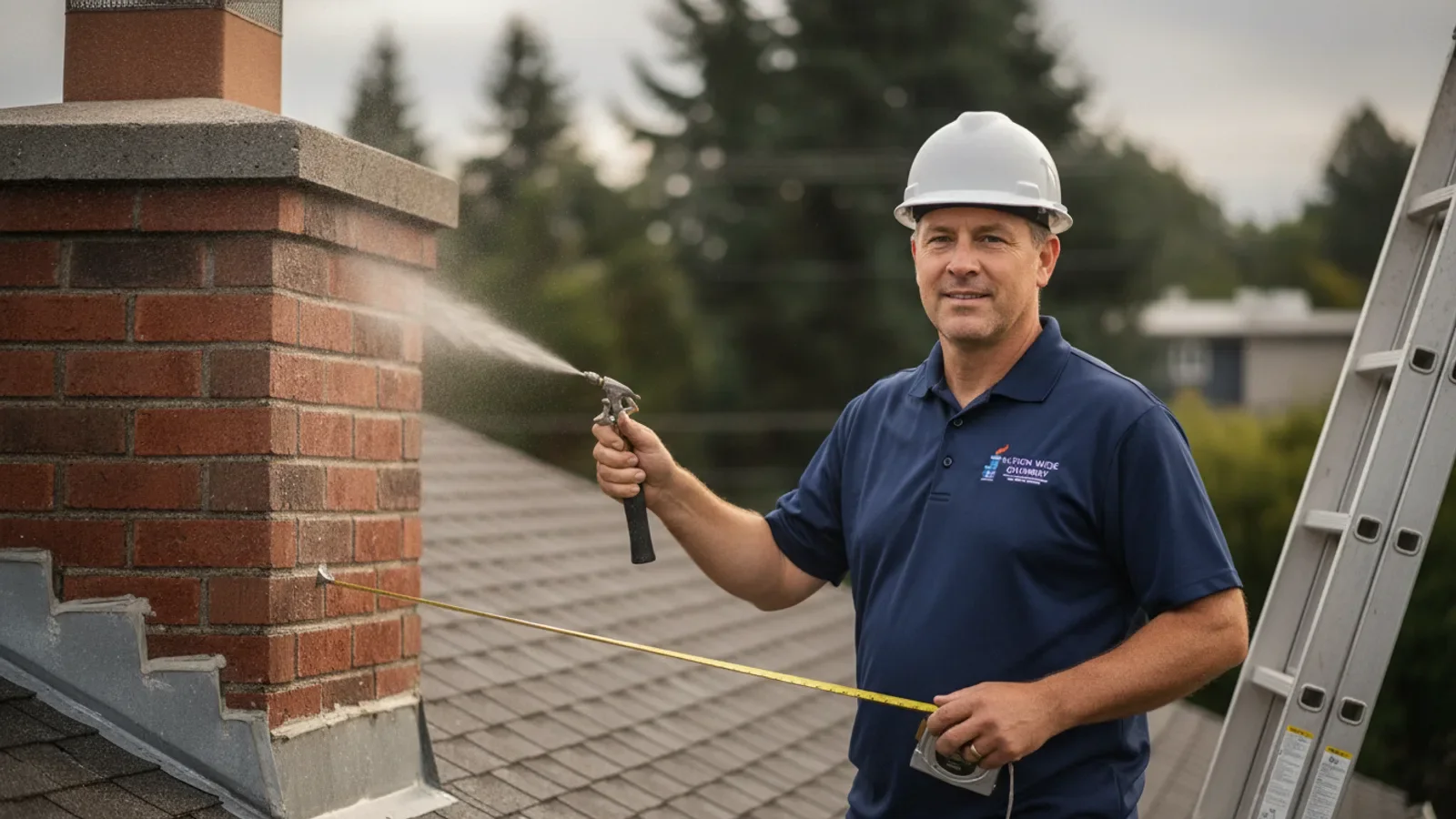
An experienced technician does not just look at the missing mortar. They assess the structural integrity of the entire system. By evaluating the crown, flashing, bricks, and flue liner together, a professional diagnosis identifies the root cause of the water entry, ensuring the repair addresses the source of the failure rather than just masking the symptoms.
How Seattle Weather Accelerates Masonry Damage
The Freeze-Thaw Cycle in a Maritime Climate
Seattle winters are characterized by persistent drizzle interspersed with occasional overnight freezes. This environment is particularly destructive to masonry. Bricks are highly porous, acting like sponges that absorb rainwater throughout the day. When the temperature drops below freezing at night, the absorbed water expands by approximately nine percent, micro-fracturing the clay structure of the brick and the cementitious bond of the mortar joints.
Saturated Bricks and Spalling
When bricks remain saturated for months without a drying period, they undergo a process called spalling. Spalling occurs when the face of the brick pops off, crumbles, or flakes away. Once the hard outer skin of the brick is lost, the soft interior core is exposed to the elements, leading to rapid deterioration that can compromise the structural stability of the entire chimney stack.
The Role of Moss and Lichen on Chimney Mortar
The damp, shady environments of Seattle neighborhoods encourage moss and lichen growth. While some find this aesthetic charming, these organic organisms root deep into the mortar joints. They hold moisture directly against the masonry surfaces and secrete mild acids that slowly break down the lime and cement binder, weakening the joints and paving the way for deep water penetration.
Key Components of a Chimney Repair Quote
To understand where your money goes, it is helpful to look at the typical line items included in a professional scope of work. Each component plays a vital role in restoring the structural integrity and water resistance of your chimney system.
| Repair Component | Primary Purpose | Key Materials/Methods Used |
|---|---|---|
| Tuckpointing / Repointing | Restores degraded mortar joints to prevent water entry. | Type N or O mortar, hand-raking, diamond-blade grinding. |
| Crown Reconstruction | Protects the top of the chimney stack from shedding water. | Cast-in-place concrete, drip edges, elastomeric sealants. |
| Flashing Repair | Seals the intersection between the chimney and the roofline. | Counter-flashing, step-flashing, copper or galvanized steel. |
| Brick Replacement | Replaces physically compromised or spalling bricks. | Color-matched clay bricks, structural mortar bonds. |
Demystifying Tuckpointing and Repointing
Repointing is the process of raking out damaged mortar to a depth of roughly twice the joint width and packing in fresh, specialized mortar. Tuckpointing is a highly aesthetic variation where contrasting mortar colors are used to create the illusion of perfectly straight, thin joints. A proper repointing bid should specify the removal method, ensuring old mortar is carefully ground out without damaging the adjacent bricks.
The Critical Function of the Chimney Crown
The crown is the concrete slab that sits on top of the chimney, sealing off the brick structure from the elements. A poorly built crown is flat, allowing water to puddle and seep down. A professionally constructed crown features a sloped design that sheds water away from the chimney face, along with an overhanging drip edge to prevent water from running directly down the exterior bricks.
Flashing and Counter-Flashing Systems
The transition area where your chimney meets the roof is a common point of failure. A robust sealing system uses two layers: step-flashing woven into the roof shingles, and counter-flashing embedded directly into the mortar joints of the brickwork. If your quote only mentions caulking this joint rather than replacing worn metal, the fix is temporary and highly susceptible to leaking.
Evaluating Contractor Qualifications and Methodology
The Importance of Local Masonry Expertise
Building practices vary widely across the country. In the Pacific Northwest, a mason must understand how local historical bricks react to modern cement-rich mortars. Using mortar that is harder than the surrounding brick can cause the brick itself to crack under thermal expansion. Professional chimney technicians recognize these regional nuances and select materials that match the compressive strength of your specific home’s masonry.
Standard Safety and Liability Precautions
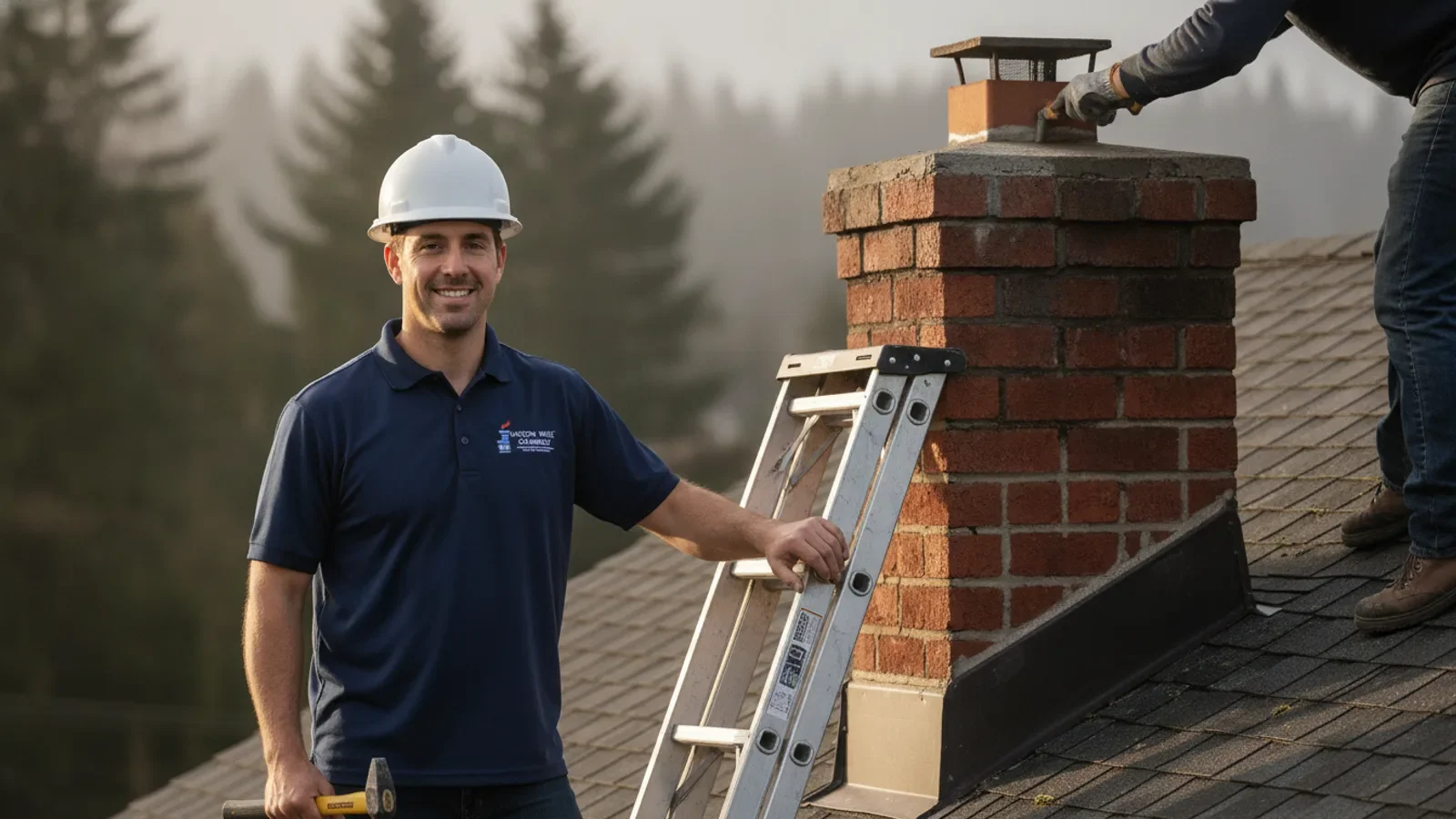
Working on a roof is inherently dangerous, and chimney work requires heavy materials to be suspended high above your yard. Any legitimate company providing chimney-repair“>chimney repair services should carry comprehensive general liability insurance and workers’ compensation coverage. Do not hesitate to request proof of these active policies before allowing technicians onto your roof.
Clear Warranties and Post-Job Documentation
A reputable masonry contractor stands behind their work. Your quote should clearly outline what is covered under their workmanship warranty. Ask if they provide digital before-and-after photos of the repairs. Since most homeowners cannot safely climb up to inspect the top of their chimney, clear photographic documentation provides peace of mind that the work was completed as specified.
Decoding the Hidden Costs of Masonry Work
Access, Pitch, and Staging Challenges
The complexity of reaching your chimney plays a major role in the overall cost. A chimney situated on a steep, three-story roofline requires extensive scaffolding, roof harnesses, and safety rigging. These setup and teardown stages take time, specialized gear, and highly trained personnel, which will naturally reflect in the labor portion of your project estimate.
Historic Brick Matching and Material Acquisition
For homes in historic Seattle neighborhoods, matching the original brick size, texture, and color is essential for preserving architectural integrity. Sourcing salvaged historic bricks or custom-ordering specialized clay units requires additional logistics. If your home has unique, hand-pressed bricks from the early 20th century, matching them requires an expert eye and a flexible supply network.
Hidden Flue and Structural Damage
Occasionally, what looks like a simple tuckpointing job reveals deeper structural issues once work begins. If a chimney has settled, the internal clay tile flue liners may have cracked or shifted. Discovering these internal safety hazards during a restoration can expand the project scope to include relining or interior stabilization to ensure the fireplace is safe to burn wood again.
The Lifespan and Protection of Your Repaired Chimney
The Role of Breathable Waterproofing Sealants
Once your masonry is repaired, protecting it from future water damage is the next logical step. Modern chimney waterproofing sealants are formulated to be 100 percent vapor-permeable. This means they block liquid water from soaking into the brick from the outside while still allowing internal moisture vapor to escape harmlessly, preventing the trapped-moisture issues associated with cheap silicone paints.
Regular Maintenance and Cleaning Schedules
Even the finest masonry work requires ongoing oversight to maximize its lifespan. Scheduling a professional chimney-cleaning“>chimney sweep on an annual basis ensures that soot deposits are kept at bay and that the exterior brickwork, crown, and flashing are inspected regularly. Catching minor wear early prevents the need for large-scale restorative masonry work down the road.
What to Look for During Your Own Ground Inspections
While you should leave roof work to the professionals, you can perform your own simple ground-level checks. After a heavy rain, scan your chimney with binoculars. Look for damp patches that linger long after the rest of the brick has dried, white powdery stains (known as efflorescence) on the brick face, or small bits of red clay debris sitting on the roof or in the gutters. If you spot these signs, it is time to have a professional team assess the system.
Frequently Asked Questions About Chimney Repair
Can I tuckpoint my own chimney to save money?
While some homeowners handle basic mortar touch-ups near ground level, high-altitude masonry repair requires specialized grinders, matching mortar mixes, and proper scaffolding. Incorrect mortar mixtures can permanently damage historical bricks, and working on a roof carries significant safety risks. Hiring a professional ensures a lasting, safe result.
How long do professional masonry repairs typically last?
High-quality repointing work performed by skilled masons can last anywhere from 15 to 25 years, depending on the chimney’s exposure to wind and rain. Applying a breathable, professional-grade water repellent after the mortar has fully cured can further extend this lifespan in damp climates.
What is the white powder on my chimney bricks?
This white, powdery substance is called efflorescence. It occurs when water penetrates the masonry, dissolves natural mineral salts inside the bricks or mortar, and carries those salts to the surface as it evaporates. While the powder itself is harmless, its presence is a clear warning sign that water is actively moving through your chimney masonry.
Why is my fireplace damp or smelling musty after a rainstorm?
Musty odors or physical dampness inside the firebox usually point to a cracked chimney crown, deteriorated flashing, or the absence of a proper chimney cap. When rain falls directly down an open flue or seeps through damaged brickwork, it saturates the soot and ash inside, creating a persistent, damp odor inside your home.
Protect Your Seattle Home’s Structural Integrity
Do not let minor masonry cracks turn into a costly chimney rebuild. Contact Nation Wide Chimney Sweep & Repair today to schedule your chimney repair and masonry inspection with our experienced team of local specialists.