Chimney Repairs in Washington State: What Every Homeowner Needs to Know About Safety Standards
Washington State’s climate is genuinely hard on chimneys. The combination of heavy seasonal rainfall, freeze-thaw cycles through winter, and the seismic activity common to the Pacific Northwest creates repair challenges that homeowners in drier, more geologically stable regions rarely face. If you’re evaluating chimney repairs in Washington, understanding the safety standards, inspection levels, and code considerations that apply here will help you make smarter decisions, ask better questions, and avoid costly surprises.
Why Washington’s Climate Makes Chimney Repair More Complex
The Freeze-Thaw Problem in the Pacific Northwest
Seattle and the surrounding region receive substantial rainfall from October through March. Water is masonry’s most persistent enemy. When moisture seeps into small cracks in brick, mortar, or flue tiles and then freezes overnight, it expands. That expansion widens the crack. The next thaw lets more water in. Repeat this cycle dozens of times over a single winter and what started as a hairline crack becomes a structural gap that compromises both the chimney’s integrity and your home’s fire safety.
This pattern means that chimney damage in Washington often progresses faster than homeowners expect. A crack that looks minor in October can be a serious structural issue by March. Early inspection and prompt repair genuinely matter here in ways they might not in, say, a dry desert climate.
Seismic Considerations Unique to the Region
Washington sits in a seismically active zone. Chimneys are among the most vulnerable structural elements in a home during an earthquake because they are tall, heavy, and largely unreinforced. Even minor seismic events can shift mortar joints, crack flue liners, or separate the chimney structure from the house framing. After any notable seismic activity, a professional inspection is worth scheduling, even if the chimney looks fine from the outside. Damage to the flue liner or internal structure is rarely visible without a camera inspection.
Moss, Moisture, and Masonry Degradation
The Pacific Northwest’s moisture and mild temperatures create ideal conditions for moss and lichen growth on exterior masonry. Moss is more than an aesthetic issue. Its root systems hold moisture against brick and mortar surfaces, accelerating the deterioration that freeze-thaw cycles then exploit. If you see green growth on your chimney exterior, it’s a signal worth acting on before the next rainy season.
The Inspection Framework That Governs Chimney Work
NFPA 211: The Standard Behind the Standards
Most chimney inspection and repair work in Washington, as across the country, references NFPA 211, the Standard for Chimneys, Fireplaces, Vents, and Solid Fuel-Burning Appliances. This is the technical document that defines what a properly built and maintained chimney system looks like. Licensed contractors and certified inspectors use it as the baseline for evaluating your system and recommending repairs.
NFPA 211 establishes three levels of inspection, each suited to different circumstances.
Level 1, Level 2, and Level 3 Inspections Explained
Understanding these levels helps you know what you’re getting, and what to ask for, when you call a chimney professional.
| Inspection Level | What It Covers | When It’s Typically Needed |
|---|---|---|
| Level 1 | Visual inspection of accessible portions of the chimney interior and exterior; no special tools required | Annual maintenance; no changes to the system or home |
| Level 2 | All of Level 1 plus inspection of attic, crawlspace, and basement areas; video scanning of the flue interior | Before or after real estate transactions; after a chimney fire, earthquake, or severe storm; when changing fuel type or appliance |
| Level 3 | All of Level 2 plus removal of components (such as firebox panels or portions of the structure) to access hidden areas | When serious hazards are suspected and cannot be confirmed without demolition |
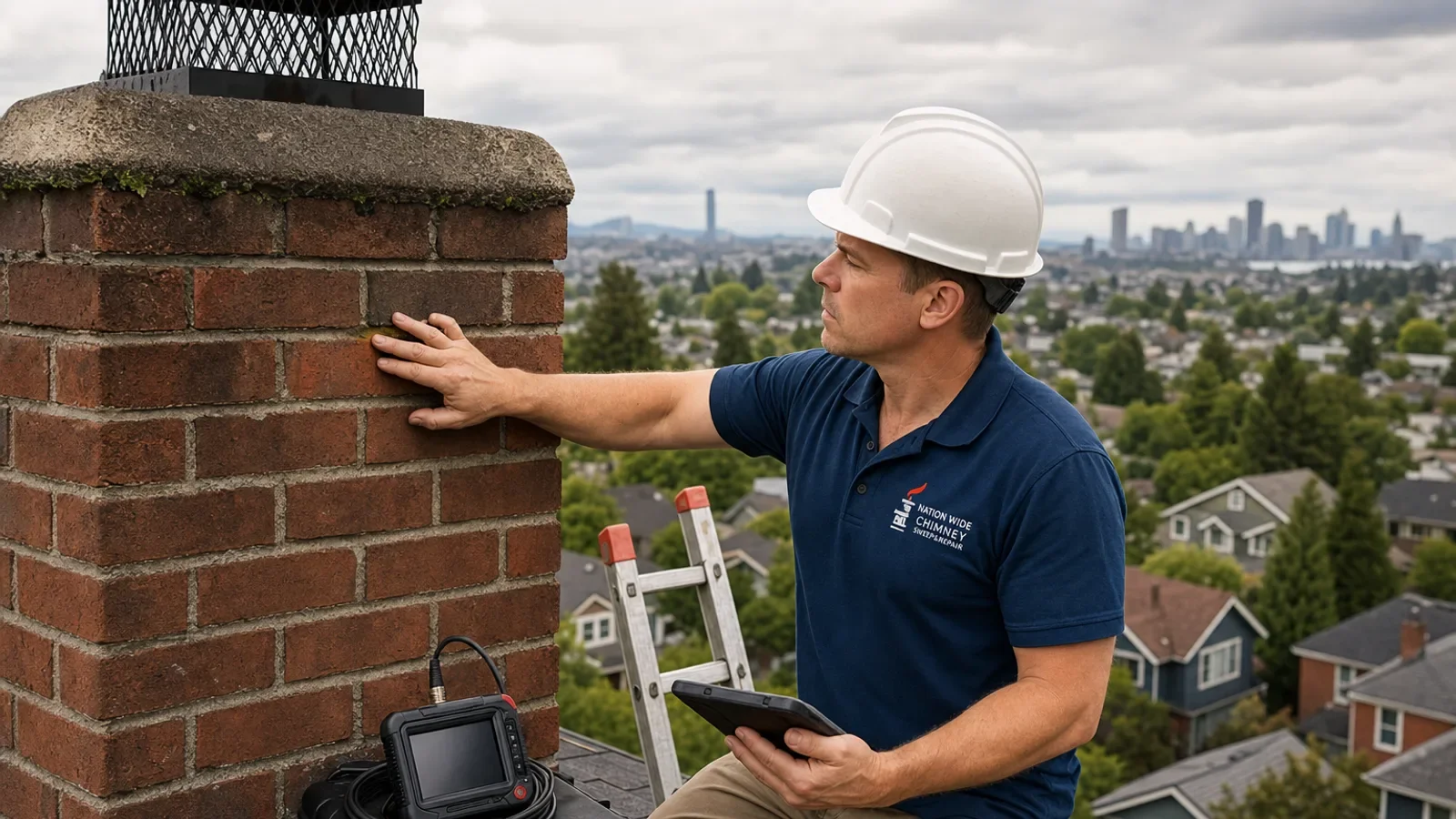
For most Seattle-area homeowners, a Level 2 inspection is the right starting point when evaluating chimney repairs, particularly after a wet winter or after purchasing a home. The video scan of the flue interior is especially valuable because it reveals cracked or collapsed liner sections, obstructions, and deteriorated mortar that simply cannot be seen any other way.
CSIA Certification and What It Means for You
The Chimney Safety Institute of America (CSIA) certifies chimney sweeps and inspectors who have passed a rigorous examination covering chimney systems, safety standards, and applicable codes. When you’re evaluating contractors for chimney repair in the Seattle area, asking whether a technician holds CSIA certification is a reasonable and practical quality check. It’s not a guarantee of perfection, but it does indicate that the person working on your chimney has been tested on the standards that govern the work.
Washington State and Local Code Considerations
The Washington State Building Code and Chimney Work
Washington State adopts and amends the International Building Code (IBC) and International Residential Code (IRC) on a regular update cycle. These codes establish minimum construction standards for chimneys, including requirements for flue sizing, liner materials, clearances to combustibles, and chimney height relative to the roofline. When chimney repair work involves structural changes, new liner installation, or modifications to the firebox, the applicable IRC chapter on masonry fireplaces and chimneys governs what materials and methods are acceptable.
It’s important to note that code requirements can vary at the local level. Seattle, King County, and surrounding jurisdictions sometimes adopt local amendments to the state code. For any repair project that rises to the level of structural work or involves a new appliance installation, checking with your local building department about permit requirements is the responsible step. Requirements vary by area, so consulting a licensed professional who works regularly in your jurisdiction is the most reliable way to confirm what applies to your specific project.
When Permits Are Typically Required
Not every chimney repair requires a permit, but some clearly do. As a general guide, work that typically triggers a permit requirement includes:
- Installing a new flue liner (stainless steel, cast-in-place, or clay tile replacement)
- Rebuilding a chimney above the roofline
- Installing a new fireplace insert or wood stove connected to the chimney
- Structural repairs to the firebox or smoke chamber
Routine maintenance, such as mortar joint repointing that doesn’t alter the structure, chimney cap replacement, or cleaning, generally does not require a permit. When in doubt, a qualified contractor familiar with Seattle-area requirements should be able to tell you quickly whether your project needs one.
Flue Liner Requirements and Why They Matter
Washington’s cold, wet winters make flue liner integrity especially important. A properly sized and intact liner serves two critical functions: it contains combustion gases (including carbon monoxide) within the flue, and it protects the surrounding masonry from heat and corrosive byproducts. A cracked or deteriorated liner allows those gases and that heat to reach the surrounding structure, which is a fire and health hazard.
The IRC specifies that chimneys serving solid-fuel appliances must have a liner, and it defines acceptable liner materials and installation methods. If a Level 2 inspection reveals liner damage, relining the flue is not optional from a code or safety standpoint. Nation Wide Chimney Sweep & Repair in Seattle handles chimney repair projects that include flue relining and can help homeowners understand what their specific inspection findings mean in practical terms.
Common Chimney Repairs Washington Homeowners Face
Mortar Joint Repointing
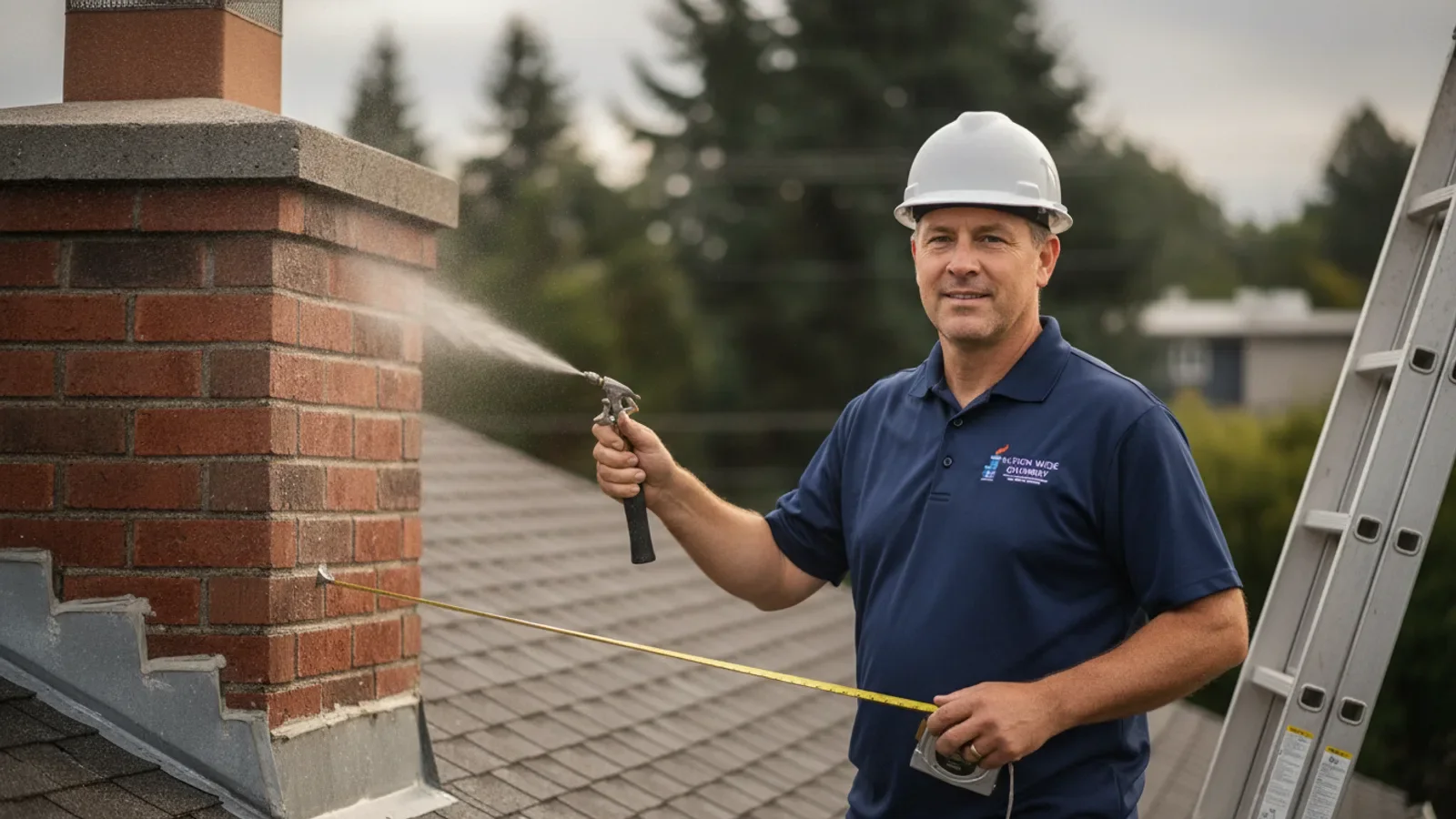
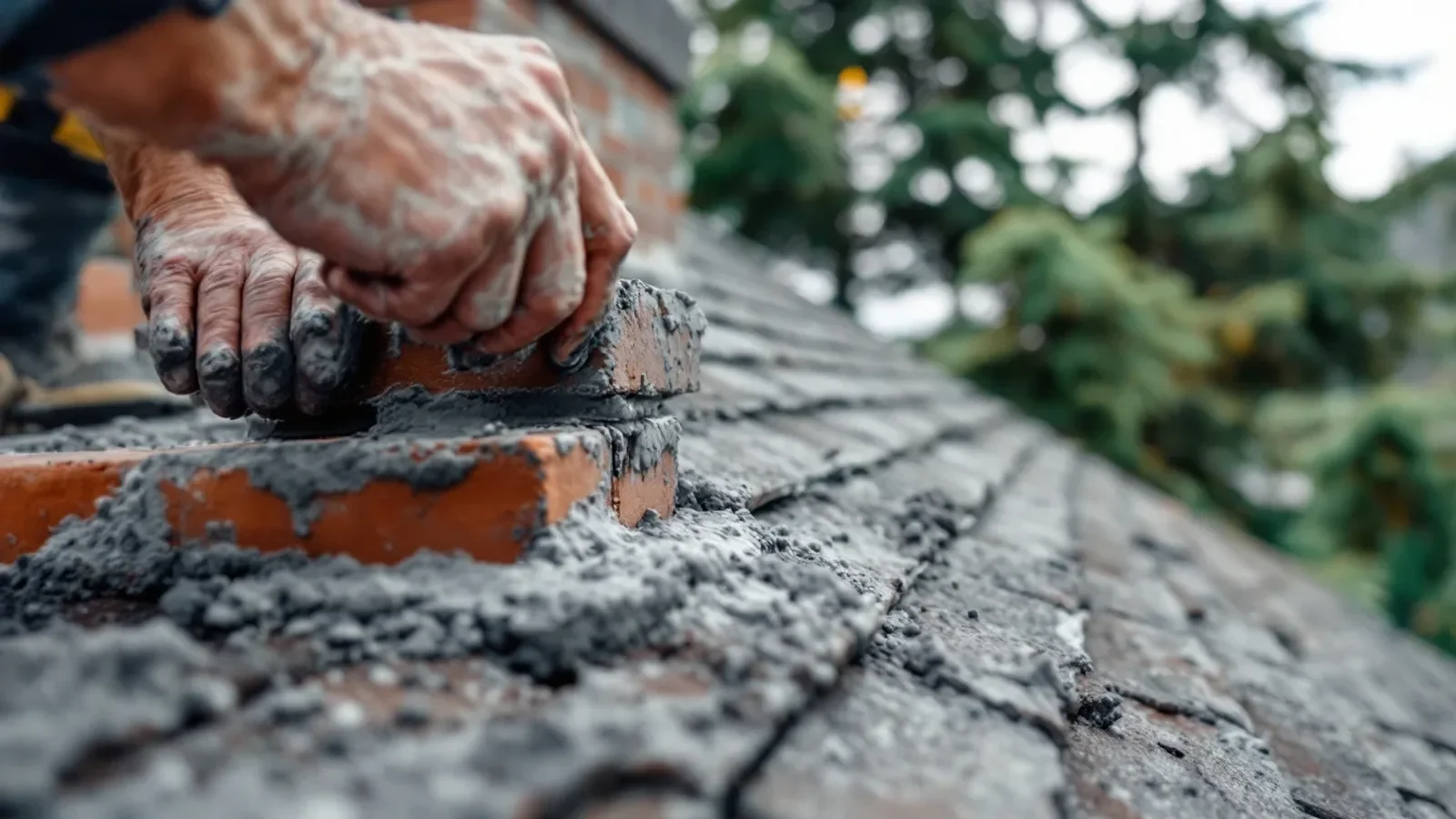
Repointing, sometimes called tuckpointing, is the process of removing deteriorated mortar from between masonry units and replacing it with fresh mortar. It’s one of the most common chimney repairs in the Seattle area, precisely because of the rainfall and freeze-thaw conditions described earlier. The key to a good repointing job is matching the mortar type to the existing masonry. Using a mortar that is harder than the surrounding brick can actually accelerate damage by forcing stress into the brick units themselves rather than allowing the (replaceable) mortar to absorb it.
Crown Repair and Waterproofing
The chimney crown is the concrete or mortar cap that covers the top of the chimney structure, surrounding the flue opening. It’s designed to shed water away from the masonry below. In Seattle’s wet climate, a cracked or poorly constructed crown is one of the fastest routes to serious interior water damage. Crown repair or replacement, often combined with a penetrating waterproofing sealant applied to the exterior masonry, is a high-value repair because it addresses the source of moisture intrusion rather than just its symptoms.
Firebox Repair and Smoke Chamber Parging
The firebox is the chamber where combustion actually occurs. Its walls are typically lined with refractory brick and mortar, which are rated to withstand extreme heat. Over time, the mortar joints between refractory bricks deteriorate, and the refractory panels themselves can crack. Repairs to this area require refractory-rated materials, not standard masonry mortar. The smoke chamber above the firebox is often parged (coated) with a smooth mortar to improve draft and reduce creosote accumulation. Corbelled smoke chambers, which are common in older Seattle homes, are particularly prone to mortar deterioration and may benefit from parge coating during a repair visit.
Counterintuitive Truth: Small Repairs Often Cost More If Delayed
Here’s a reality that surprises many homeowners: the least expensive chimney repair is almost always the one done before the damage progresses. A cracked crown addressed in late summer is a straightforward repair. The same crack, ignored through a wet Seattle winter, can allow enough water infiltration to damage the flue liner, deteriorate the smoke chamber mortar, and stain interior walls, turning a modest repair into a substantially larger project.
This isn’t an argument for unnecessary work. It’s an argument for getting an honest assessment from a qualified inspector before the rainy season, so you know exactly what you’re dealing with and can make an informed decision. Nation Wide Chimney Sweep & Repair offers chimney inspection services designed to give Seattle homeowners that clear picture, without pressure to approve work that isn’t genuinely needed.
How to Evaluate a Chimney Repair Contractor in Washington
Questions Worth Asking Before You Hire
Choosing a chimney repair contractor is not a decision to make based on price alone. The quality of the work, the materials used, and the contractor’s familiarity with local code requirements all affect the long-term outcome. Here are practical questions to ask:
- Are your technicians CSIA-certified? Certification indicates demonstrated knowledge of chimney systems and safety standards.
- Will you provide a written scope of work before starting? A reputable contractor can describe exactly what they plan to do and why, in writing.
- What materials will you use, and are they code-compliant for my application? Liner materials, mortar types, and cap specifications all have code implications.
- Do I need a permit for this work, and will you handle it? Contractors who regularly work in Seattle and King County should know the answer immediately.
- Can you show me the inspection findings before recommending repairs? Video footage from a flue camera, photos of crown damage, or documentation of mortar deterioration should accompany any repair recommendation.
Red Flags to Watch For
A few patterns suggest you should get a second opinion before committing to any work. Be cautious if a contractor recommends extensive repairs without providing documentation of the damage, quotes work without performing any inspection first, cannot explain which specific code or standard requires a repair they’re recommending, or uses pressure to get you to approve work immediately. Legitimate chimney problems don’t disappear if you take a few days to think, and a trustworthy contractor will not suggest otherwise.
Documentation and Records
Keep records of every inspection and repair performed on your chimney. This includes the inspection report, any photos or video footage, the scope of work, and any permit documentation. These records are valuable when you sell your home, when evaluating future repair needs, and when confirming that work was done to code. A contractor who provides thorough written documentation is demonstrating professional accountability, which is itself a quality signal.
Frequently Asked Questions
How often should a chimney be inspected in Washington State?
NFPA 211 recommends annual inspections for chimneys in regular use. Given Washington’s wet climate and the pace at which moisture damage can progress, annual inspection before or after the heating season is a sound practice for Seattle-area homeowners.
Does Washington State require a chimney inspection when selling a home?
There is no statewide law mandating a chimney inspection at the point of sale, but a Level 2 inspection is the industry standard recommendation whenever a property changes hands. Many buyers request it, and some lenders or insurers may require it. Requirements vary, so check with your real estate agent and lender.
What is the difference between a chimney sweep and a chimney inspector?
A chimney sweep cleans the flue to remove creosote and debris. A chimney inspector evaluates the structural and safety condition of the entire system. Many certified professionals perform both services, but they are distinct activities. Cleaning does not substitute for inspection, and inspection does not clean the flue.
Can I use my fireplace if the chimney has a cracked liner?
No. A cracked liner is a fire and carbon monoxide hazard. The liner’s job is to contain combustion gases and heat within the flue. A crack compromises that containment. The fireplace should not be used until the liner is repaired or replaced by a qualified professional.
How long does a typical chimney repair take in Seattle?
It depends heavily on the scope of work. Mortar repointing or crown repair on a single chimney can often be completed in a day. Flue relining projects typically take one to two days. Larger structural repairs or full chimney rebuilds above the roofline may take several days, and permit processing time can add to the overall timeline.
Is waterproofing a chimney worth it in the Pacific Northwest?
Yes, particularly in Seattle’s climate. Penetrating waterproof sealants designed for masonry allow the material to breathe (releasing trapped moisture from inside) while repelling water from outside. Applied after repairs are complete, waterproofing can meaningfully extend the life of the masonry and reduce the frequency of future repairs.
Conclusion
Washington’s climate, seismic activity, and local code landscape make chimney repair a more nuanced undertaking than it might appear from the outside. Getting an honest, documented inspection from a certified professional is the foundation of every good decision that follows. If your chimney hasn’t been evaluated recently, or if you’ve noticed crumbling mortar, water stains, or unusual odors from the firebox, now is the right time to act before another Seattle winter does more damage. Schedule your chimney inspection with Nation Wide Chimney Sweep & Repair and get a clear, documented picture of exactly what your chimney needs to stay safe this season.