Why Seattle Chimney Bricks Spall and Crumble: 6 Wet-Weather Triggers
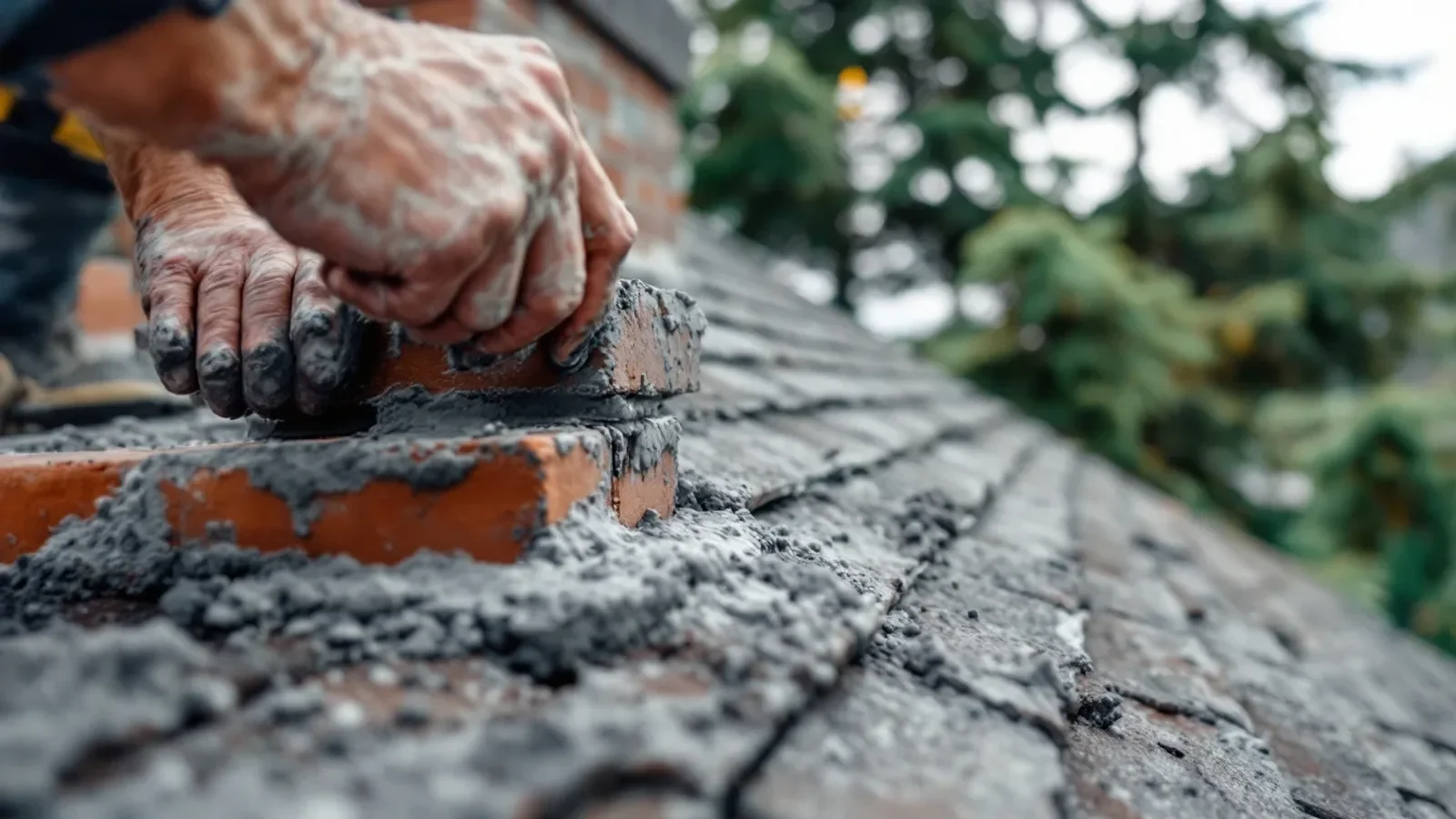
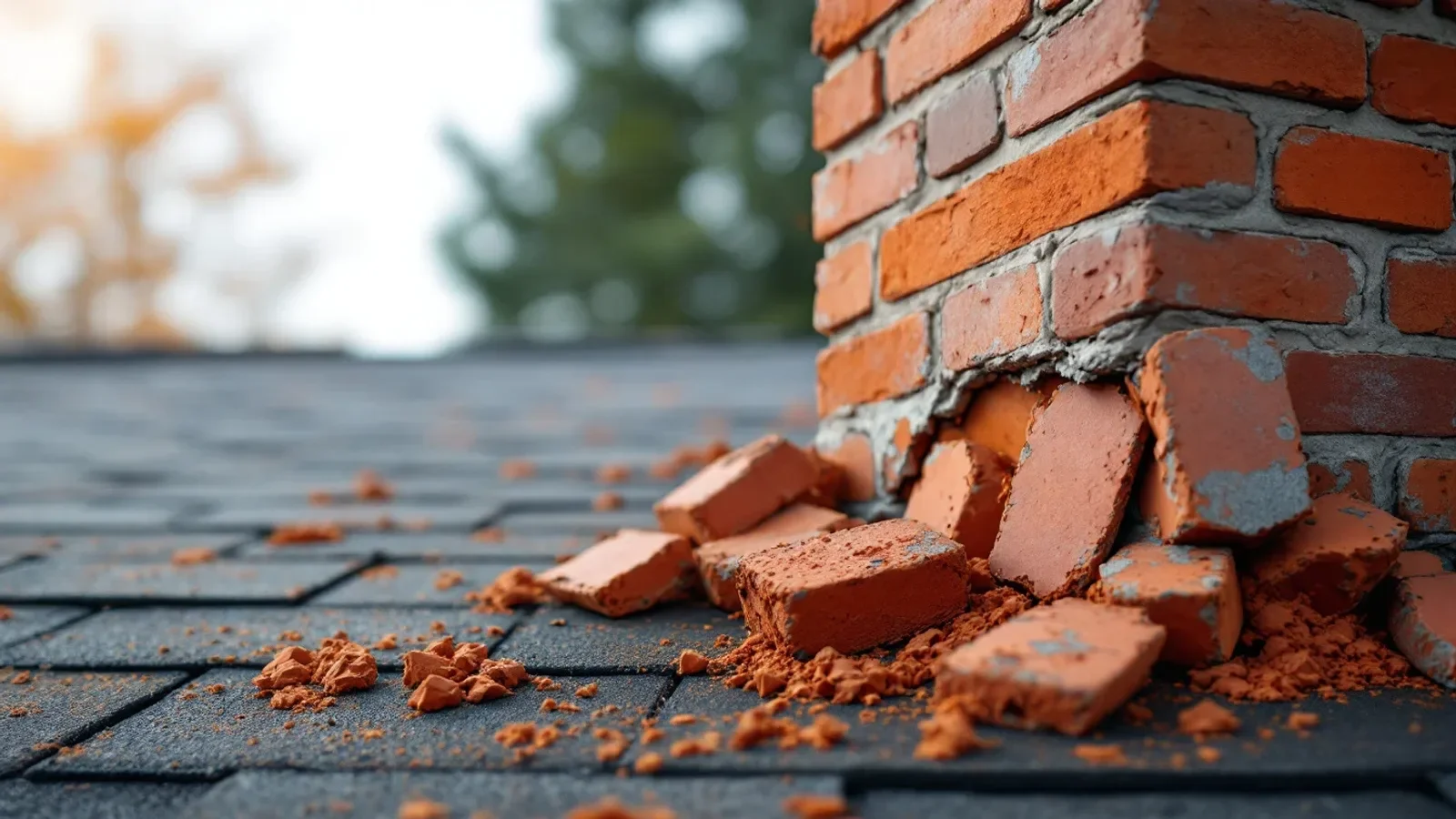
Are you wondering why the bricks on your Seattle chimney are starting to flake, peel, or drop red debris onto your roof? When clay bricks begin to shed their outer faces and break apart, you are witnessing a common masonry disease known as spalling. In the wet and chilly climate of the Pacific Northwest, untreated masonry degradation can quickly compromise the safety of your entire fireplace system, eventually requiring professional chimney repair seattle to restore structural integrity.
In Seattle, our persistent winter drizzle coupled with sudden drops in temperature creates the perfect storm for masonry decay. Bricks are highly porous materials that act like dense sponges. When water gets trapped inside these clay blocks and encounters freezing temperatures, the physical expansion puts immense pressure on the brick. Over time, this pressure causes the brick face to pop off, crack, or turn into a powdery mess. Understanding the exact triggers behind this deterioration is the first step in protecting your home from costly structural damage.
1. The Seattle Freeze-Thaw Cycle
The primary culprit behind crumbling masonry in King County is the relentless freeze-thaw cycle. Seattle winters are characterized by weeks of steady, soaking rainfall followed by sudden overnight cold snaps where temperatures dip below freezing. Because clay bricks absorb significant amounts of ambient moisture, they remain saturated for days at a time.
When that absorbed water freezes, it expands by approximately nine percent. This expansion occurs within the microscopic pores of the brick. As the ice grows, it exerts internal pressure that exceeds the strength of the clay itself. When the weather warms up, the ice melts, leaving behind slightly wider pores. The next rain fills these enlarged spaces, and the subsequent freeze pushes the masonry even closer to its breaking point. Eventually, the outer face of the brick fractures and falls away, exposing the softer, even more porous interior of the brick to the elements.
2. Degraded Mortar Joints Channeling Water
Your chimney is only as dry as the mortar holding it together. Mortar is designed to be softer and more sacrificial than the surrounding bricks, meaning it naturally wears out first. When mortar joints develop hairline cracks, erode from wind-driven rain, or pull away from the brick edges, they stop acting as a seal and start acting as a funnel.
If you want it handled correctly the first time, consider professional chimney repair in Seattle.
Instead of shedding water down the exterior face of the chimney, failing mortar joints capture rainwater and channel it directly into the inner core of the masonry layout. This concentrated moisture saturation accelerates spalling in the adjacent bricks. Homeowners who ignore minor mortar cracks often find themselves facing a much higher chimney repair cost because the moisture quickly spreads laterally, ruining dozens of bricks that otherwise would have survived. Addressing these joint failures early is essential to stop the spread of moisture damage.
3. Non-Breathable Masonry Sealants
Many well-meaning homeowners attempt to protect their chimneys by applying generic, hardware-store waterproofing sealants. Unfortunately, using the wrong product is one of the fastest ways to destroy a brick chimney in the Pacific Northwest. Many standard silicone or acrylic sealers form a plastic-like membrane over the surface of the brick that blocks water from entering, but also prevents trapped moisture from escaping.
Moisture does not just come from the outside; it also rises up from the crawlspace, leaks in from a faulty crown, or condenses from the hot exhaust gases inside the flue. When this internal moisture tries to evaporate outward, it hits the non-breathable barrier just beneath the brick surface. Blocked from escaping, the water pools right behind the sealant layer. During the next frost, this trapped water freezes and pops the entire front face of the brick off. True protection requires a professional-grade, vapor-permeable siloxane water repellent that keeps liquid water out while allowing vapor to escape freely.
4. King County’s Glacial Till and Foundation Settling
The unique geological makeup of the Seattle area directly impacts the physical stability of your chimney. Much of our local residential land is built on glacial till, clay-rich soils, or steep hillsides that shift and settle in response to seasonal moisture variations. When winter rains saturate the ground, the soil swells, and when the dry summer arrives, it contracts.
This constant soil movement can cause subtle foundation settling. Because a brick chimney is an incredibly heavy, rigid vertical column, even a fraction of an inch of foundation movement translates into immense stress further up the structure. This shifting forces the bricks to rub, compress, and flex in ways they were never engineered to handle. The resulting micro-fractures in the clay make it incredibly easy for rainwater to penetrate deep into the masonry, kickstarting the spalling process. If you notice your chimney tilting or cracking along the mortar lines, it is crucial to assess the underlying structural stability.
Many Seattle homeowners rely on expert chimney repair in Seattle for exactly this.
5. Failing Chimney Crowns and Wash Distortions
The chimney crown is the concrete slab that sits on top of your chimney, acting as an umbrella for the entire masonry structure. In Seattle, crowns are subjected to constant rainfall, falling pine needles, and moss growth. Over time, the concrete can shrink, crack, or lose its protective slope.
When a chimney crown cracks, rainwater no longer sheds off the sides of the chimney. Instead, it pours directly down into the interior cavity between the flue liner and the exterior brick wall. This saturates the bricks from the inside out. Because this moisture is hidden from view, you might not notice the damage until you see extensive wet spots on your fireplace ceiling or find crumbled brick pieces scattered across your shingles. Keeping the top of your chimney sealed is your primary defense against deep-seated structural rot.
6. Acidic Condensation from Modern Heating Appliances
If you have converted an old wood-burning fireplace to a high-efficiency gas insert, or if your chimney vents a modern gas furnace, the exhaust dynamics of your home have changed. Modern gas appliances produce highly acidic condensation as a byproduct of combustion.
If these appliances vent into an unlined or improperly sized masonry chimney, the hot exhaust gases cool down too quickly as they rise. This causes highly acidic moisture to condense directly onto the interior brick walls of the flue. Over time, this acid eats away at the clay bricks and mortar from the inside. The bricks weaken, lose their structural integrity, and begin to spall internally, eventually leading to blocked flues or crumbling exterior walls. Ensuring your chimney has a properly insulated stainless steel liner is critical to preventing this hidden chemical destruction.
Ready for the next step? Learn how chimney repair services in Seattle can help and reach out to the team.
Frequently Asked Questions
Can spalling chimney bricks be repaired, or do they have to be replaced?
Spalled bricks cannot be patched or glued back together because their internal structure has permanently failed. The individual damaged bricks must be carefully chiseled out by a professional mason and replaced with new bricks that match the strength and absorption characteristics of your existing chimney, followed by a professional application of vapor-permeable water repellent.
How do I know if my chimney bricks are spalling or just dirty?
Dirty bricks will have dark soot, organic moss, or carbon staining on the surface but will remain flat, hard, and intact. Spalling bricks will have a visibly rough, uneven, or pitted surface, often showing deep cracks, flaking layers, or piles of red brick dust and chunks collecting at the base of the chimney or on your roof.
Is a crumbling chimney dangerous to leave unresolved?
Yes, ignoring crumbling chimney bricks is highly hazardous. As more bricks lose their outer faces, the structural capacity of the chimney is severely compromised, increasing the risk of a partial or total collapse. Furthermore, falling debris can damage your roof, and water leaking through the damaged masonry can ruin your home’s framing and ceilings.
Protect Your Seattle Home from Masonry Decay
Crumbling bricks are a clear warning sign that moisture has taken control of your masonry structure. If you notice flaking clay, loose mortar, or water staining, acting early can mean the difference between a simple brick replacement and a complete chimney rebuild. For more information on how local weather affects restoration work, explore our guide on the benefits of chimney repointing to see how fresh mortar preserves your home. When you are ready to secure your chimney against the Pacific Northwest climate, contact Nation Wide Chimney Sweep & Repair to schedule a comprehensive physical inspection and professional assessment.