Evaluating Seattle Chimney Repair Costs: How Water Damage Drives Masonry Restoration Quotes
You wake up on a gray November morning, hear the steady drip of rain hitting your roof, and notice a dark, damp shadow spreading across the drywall next to your fireplace. In the Pacific Northwest, water is the primary catalyst for structural masonry damage. When homeowners start searching for a professional chimney repair seattle contractor, they often face a wide variation in pricing. Understanding the specific variables that influence a chimney repair cost in the Seattle metro area can help you navigate quotes and secure your home against our notoriously wet winters.
Masonry materials are inherently porous. Without proper maintenance, Seattle’s relentless dampness seeps deep into bricks and mortar joints, setting off a destructive cycle. When temperatures dip during winter nights, that trapped water freezes and expands, fracturing the masonry from the inside out. Securing timely chimney water damage detection is the most effective way to prevent minor moisture intrusion from escalating into a complex, high-cost structural rebuild.
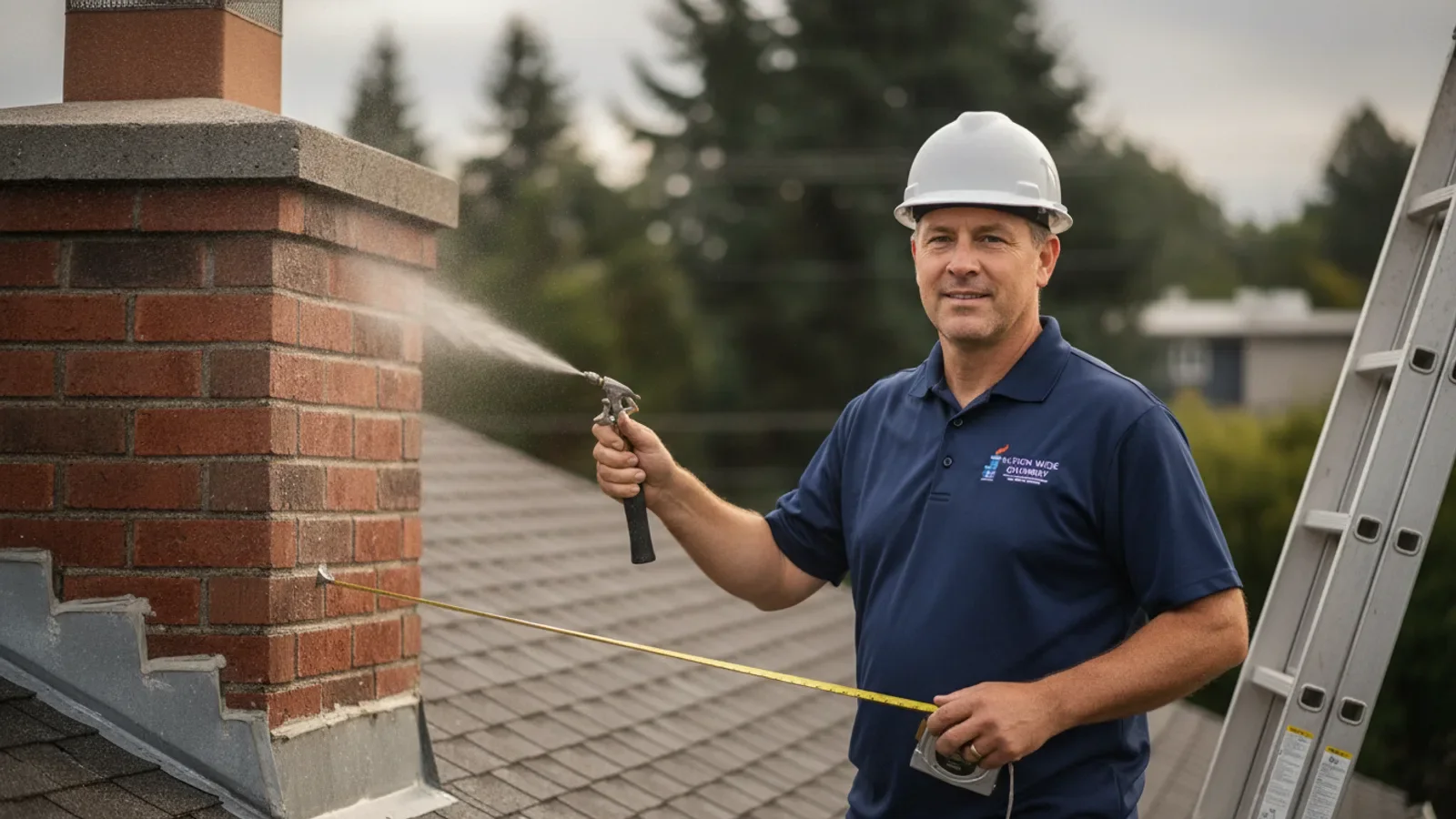
Nation Wide Chimney Sweep&Repair provides thorough inspections and restoration plans to protect your home. If you notice signs of moisture intrusion, call us today to book an inspection or request an estimate from our local masonry experts.
The Primary Elements of a Chimney Repair Seattle Quote
A professional masonry restoration estimate is never a random guess. Contractors evaluate several distinct, interrelated structural components to determine the scope of work and materials required for a durable fix.
1. Accessibility and Height
The physical location of your chimney on your roof plays a major role in labor costs. A short chimney rising from a single-story ranch home in Maple Leaf requires far less setup than a three-story chimney flanking a steep Tudor home in Queen Anne. High-slope roofs, multi-story structures, and limited property clearance require specialized scaffolding, roof harnesses, and safety rigging. These safety protocols protect both the technicians and your roofing materials, but they increase the labor hours dedicated to setup and teardown.
2. Extent of Water Saturation and Spalling
If moisture has penetrated deep into the brickwork, the face of the brick will eventually chip, flake, or pop off entirely. This process is known as spalling. When spalling is widespread, simple surface repairs are no longer an option. Spotting these issues early through a spalling brick diagnosis is critical. If only a few bricks are damaged, a mason can perform localized replacements. However, if water has compromised the structural core of the chimney, a partial or complete rebuild of the stack above the roofline may be necessary.
3. Mortar Joint Deterioration
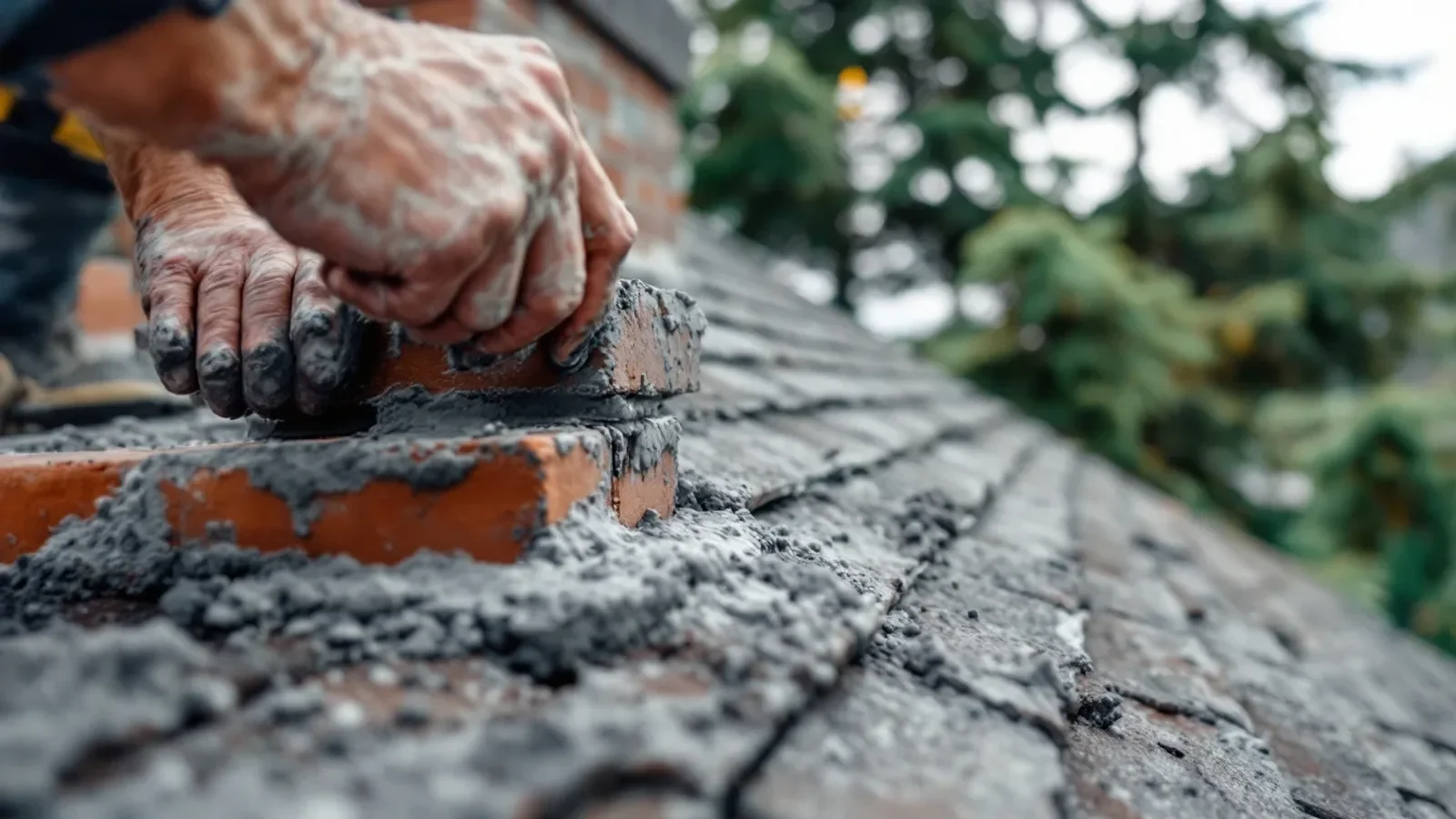
Mortar is designed to wear down more quickly than brick, serving as a sacrificial buffer that protects the entire structure. When mortar joints crumble, open gaps allow rainwater to pour directly into the interior of the chimney walls. Removing this failing mortar and packing in fresh, specialized compound is a skilled process called repointing. To understand how this process prevents water leaks and saves money long-term, read about the core benefits of chimney repointing.
How Seattle’s Unique Climate Affects Masonry Durability
While homeowners in drier climates rarely think about their chimneys, those of us in Western Washington must contend with unique weather patterns. Seattle averages over 150 rainy days per year. This constant exposure means our masonry rarely has a chance to dry out completely between October and May.
If you want it handled correctly the first time, consider professional chimney repair in Seattle.
Our winter microclimates create a rapid freeze-thaw dynamic. Although Seattle temperatures rarely stay below freezing for weeks at a time, we experience frequent daily transitions. Temperatures regularly hover in the upper thirties during rainy afternoons, only to drop below freezing overnight. Water trapped in porous common brick or deteriorated mortar expands by roughly nine percent when it freezes. This relentless expansion acts like a tiny wedge, slowly widening microscopic fissures into deep cracks.
Additionally, our high humidity prevents damp brickwork from drying naturally. When wind-driven rain hits an unprotected chimney, the moisture penetrates deep into the flue. Over time, this damp environment can rust steel dampers, rot wood framing adjacent to the chimney breast, and erode the clay tile flue liners designed to safely channel heat and toxic gasses out of your home.
Comparing Restoration Methods: Repointing vs. Rebuilding
When you seek out a chimney repair specialist to evaluate your home, the recommended scope of work will typically fall into one of two categories: preventative restoration or structural reconstruction. The right approach depends on whether the damage is cosmetic or structural.
The following table outlines how these two main approaches differ across several key areas:
| Restoration Factor | Tuckpointing / Repointing | Partial or Full Rebuild |
|---|---|---|
| Structural Integrity | Bricks remain sound; only surface mortar is failing. | Bricks are loose, cracked, spalling, or leaning. |
| Process Scope | Grinding out old mortar to a set depth and packing new mortar. | Dismantling damaged brickwork and laying new masonry from the roofline up. |
| Time to Complete | Typically one to two days for average-sized chimneys. | Several days to a week, depending on weather and height. |
| Preventative Measures | Stops water entry; extends lifespan of original bricks. | Restores structural safety; replaces degraded flue liners. |
To ensure you choose the best path forward for your home, review our guide on how to hire a Seattle masonry contractor to compare local qualifications and certifications.
The Role of Chimney Crowns and Flashing in Water Prevention
Many chimney leaks do not originate in the brickwork itself, but rather in the protective elements designed to divert water away from the masonry structure.
Many Seattle homeowners rely on expert chimney repair in Seattle for exactly this.
- The Chimney Crown: This is the concrete slab that sits on top of your chimney, capping off the brick walls. It should feature a sloped design that sheds water away from the flue. Standard crowns often crack due to thermal expansion. When water gets into these cracks, it runs down behind the brick veneer, causing hidden rot. Restoring or sealing a damaged crown is one of the most cost-effective ways to prevent major masonry repair bills down the road.
- Counter Flashing: This is the metal transition strip where your chimney meets your shingles. Because your chimney and your roof deck expand and contract at different rates, flashing must remain flexible yet watertight. If the sealant behind the metal flashing fails, or if the metal itself rusts, rain will run directly down into your attic and ceilings.
- Chimney Caps: A high-quality stainless steel or copper cap keeps rain from falling directly down your flue. In our damp climate, an open flue acts like a funnel, introducing gallons of water directly into your firebox during heavy winter storms.
Nation Wide Chimney Sweep&Repair can assess your crown, flashing, and cap to ensure your system is completely sealed. Call us today to schedule your comprehensive chimney inspection.
Why Seattle’s Housing Stock and Regulations Drive Masonry Restoration
Seattle is home to a rich variety of architectural history, from classic Craftsman bungalows in Phinney Ridge and Capitol Hill to mid-century modern homes in Magnolia. The age of your home’s construction has a major impact on how its masonry restoration seattle needs must be addressed.
Many of Seattle’s older homes feature chimneys built with historic lime mortar. Lime mortar is softer and more breathable than modern Portland-cement-based mortars. If a well-meaning contractor repairs a pre-1940s chimney with modern, rigid Portland mortar, the harder mortar will actually cause the historic, softer bricks to crack and spall under thermal pressure. Our local crews understand the chemistry of historic brick preservation, ensuring that your home’s architectural integrity is preserved using period-appropriate materials.
Furthermore, structural work in King County must comply with strict local building codes. Chimneys located in active seismic zones, such as the Puget Sound basin, are subject to specific bracing and reinforcement regulations. If a chimney requires a rebuild, local codes dictate how it must be tied back to the house’s framing to ensure structural safety during seismic events. Working with experienced professionals ensures that your chimney repairs washington conform to all local structural and safety guidelines.
Long-Term Protection: The Importance of Professional Waterproofing
Once your mortar joints have been repointed and any cracked bricks replaced, your masonry remains vulnerable to our wet winter weather. Untreated brick will continue to absorb moisture during our long rainy seasons.
Ready for the next step? Learn how chimney repair services in Seattle can help and reach out to the team.
Applying a professional-grade, breathable water repellent is the final, essential step in protecting your investment. Unlike cheap hardware-store sealants that create a shiny plastic film, professional sealants penetrate deep into the brick pore structure. This creates a hydrophobic barrier that sheds rain while still allowing internal moisture and vapor to escape. Applying these sealants requires dry conditions, which is why we carefully coordinate application schedules during dry weather windows. Discover how this final treatment works to extend the life of your brickwork in our guide on post-repair chimney waterproofing benefits.
If you want to prevent future water damage and secure your home’s masonry against the elements, contact Nation Wide Chimney Sweep&Repair to discuss our preventative maintenance options.
Frequently Asked Questions
Can I just patch my cracked chimney crown with hardware store caulk?
Standard exterior caulking is a temporary fix that quickly degrades under UV rays and winter temperature swings. Professional crown repair requires elastomeric sealants or complete concrete resurfacing to handle thermal expansion and contraction without splitting open again.
How long do professional chimney repairs last in Seattle?
High-quality masonry work using matched mortar mixtures and completed with a breathable water repellent can easily last several decades. However, we recommend annual inspections to catch shifting flashing, loose caps, or minor settling before water can compromise the new work.
Why does my fireplace smell musty when it rains?
A musty odor is a strong indicator of water intrusion. When rainwater gets absorbed by porous bricks, soot, or creosote deposits inside the flue, it creates a damp, acidic smell that drafts back down into your living room during low-pressure rainy days.
Do you offer chimney inspection services before quoting repairs?
Yes, we perform complete internal and external evaluations to pinpoint the exact source of any water leaks, cracked bricks, or structural shifting. This ensures that our proposed restoration plan addresses the root cause of the damage rather than just covering up cosmetic surface issues.
Protect Your Seattle Home’s Masonry Today
Don’t let minor moisture issues turn into expensive structural repairs. Left unchecked, Seattle’s rainy seasons and winter freeze-thaw cycles can slowly compromise the safety of your home’s chimney. The team at Nation Wide Chimney Sweep&Repair has the training, experience, and local expertise to execute durable masonry repairs that withstand the Pacific Northwest’s unique climate. Reach out to us today to book an inspection and protect your home for years to come.