How Often to Clean Chimney in Seattle for Wet Wood and Fireplace Safety
Seattle homeowners face a unique set of challenges when it comes to keeping their fireplaces running safely. While national guidelines often suggest scheduling a chimney cleaning once a year, the Pacific Northwest\’s damp climate, high ambient humidity, and notoriously wet firewood demand a much more attentive approach. Burning seasoned wood that has absorbed moisture from our damp air accelerates the rate at which dangerous byproducts accumulate in your flue, increasing the risk of home fires and drafting issues. Understanding the local mechanics of wood combustion in King County is essential for protecting your property and family.
The Myth of the Annual Clean: Why Seattle Rules Are Different
The Pacific Northwest Moisture Factor
National safety standards from organizations like the National Fire Protection Association (NFPA) recommend an annual inspection and cleaning, but these guidelines assume a standard baseline of dry, climate-controlled firewood and low ambient humidity. In Seattle, the air is frequently saturated with moisture, especially during the peak burning months of late autumn and winter. When your firewood sits in a backyard shed or under a tarp, it absorbs this airborne moisture. Burning wood with a high moisture content lowers the combustion temperature in your firebox, preventing the logs from burning completely and cleanly.
How Cooler Flue Temperatures Speed Up Creosote
Because wet wood contains a high percentage of water, a significant portion of the fire\’s heat energy is wasted simply boiling off that water instead of producing warmth. This produces a cooler, smoldering fire rather than a hot, active burn. As the moisture-laden smoke rises up the cold masonry or metal chimney flue, it cools rapidly and condenses onto the inner walls. This condensation is the primary driver of rapid accumulation, coating the flue liner in sticky, highly flammable material much faster than dry wood would.
Why Local Topography Matters
Seattle\’s unique geography, nestled between Puget Sound and the Cascade Mountains, creates microclimates with high localized humidity and frequent thermal inversions. These inversions can trap cold, heavy air over your rooftop, reducing the natural draft of your fireplace. When a chimney drafts poorly due to atmospheric pressure and high humidity, smoke lingers in the flue longer. The longer the smoke remains in the chimney, the more opportunity it has to cool down and deposit carbon particles along the liner, requiring more frequent visits from a professional chimney sweep seattle.
The Chemistry of Creosote Buildup in Damp Climates
The Three Stages of Creosote
Creosote is a natural byproduct of wood combustion, but its form changes based on how cleanly your fireplace burns. Stage one creosote is a dusty, soot-like substance that is relatively easy to brush away. Stage two appears as crunchy, dark flakes or hardened tar-like ripples. Stage three is the most dangerous form: a thick, glossy, glaze-like coating that behaves like hardened fuel. When you burn unseasoned or damp wood in Washington, your fireplace spends more time in a smoldering state, which bypasses the manageable first stage and goes straight to producing thick, glassy stage three glaze.
The Chemistry of Combustion with Damp Wood
To understand why damp wood is so problematic, we have to look at the chemistry of a fire. Wood combustion requires fuel, oxygen, and high temperatures. When moisture is present, the energy goes toward converting water into steam. This steam dilutes the flammable gasses released by the heated wood. As a result, those gases leave the firebox unburned. Once they enter the flue, they mix with the steam, cooling down to form a highly concentrated acidic liquid that clings to your masonry, leading to accelerated physical deterioration and increased fire risk.
How Seattle Humidity Prevents Seasoning
Many homeowners believe their wood is seasoned because it has been stacked for a year. However, in our damp maritime climate, wood left outdoors can easily reabsorb water directly from the damp winter air. Even wood that was dried to a perfect fifteen percent moisture level can quickly bounce back up to twenty-five percent or higher during a damp, rainy spell. At this moisture level, the wood is functionally unseasoned, and burning it will rapidly accelerate the accumulation of soot and glazed deposits in your system.
Signs Your Seattle Chimney Needs Immediate Attention
Sluggish Draft and Lingering Smoke
If you open your damper fully but still notice smoke spilling into your living room when you light a fire, your draft is compromised. This sluggishness is often a sign that the interior diameter of your flue liner has narrowed due to thick deposits of soot and tar. In Seattle\’s heavy air, a slightly restricted chimney can fail to draft altogether, causing poor indoor air quality and exposing your family to carbon monoxide. A sudden reduction in airflow is a clear indicator that you need to search for a trusted chimney sweep near me to clear the restriction.
A Strong, Acrid Odor When the Fireplace is Idle
Do you notice a smell resembling campfire ash, asphalt, or wet barbecue coming from your fireplace on warm or rainy days? When the atmospheric pressure shifts or the humidity rises, air can draw down through your chimney, bringing the smell of accumulated soot into your living room. The damp Seattle air reacts with the acidic compounds in the deposits, intensifying the odor. If the smell of soot is noticeable even when you haven\’t lit a fire in weeks, it is a sign that a thick layer of carbon is sitting on your flue walls, absorbing moisture and corroding the system.
Visible Flakes and Crumbling Masonry in the Firebox
Keep an eye on the floor of your firebox. If you start noticing dark, shiny flakes, chunks of black debris, or fine grey powder falling from the flue, your chimney has reached a heavy state of buildup. Additionally, look for crumbling mortar joints inside your firebox or white, powdery staining (efflorescence) on the exterior brickwork. These are signs of water damage, which is incredibly common in the Pacific Northwest. Water damage weakens the structural integrity of your flue, often requiring professional chimney repair seattle to seal cracks and replace damaged bricks before the system can be safely used again.
The Seattle Chimney Maintenance Schedule: A Practical Framework
Because standard national advice fails to account for our wet climate, Seattle homeowners need a more tailored framework. Your maintenance schedule should be determined by what you burn, how much you burn, and the moisture level of your fuel. Use the table below to determine how often you should schedule a professional inspection and cleaning for your home.
| Wood Type & Moisture Level | Frequency of Fireplace Use | Recommended Cleaning Interval |
|---|---|---|
| Damp or unseasoned wood (above 20% moisture) | Frequent (2+ times per week) | Every 30 to 40 burns (potentially twice per season) |
| Damp or unseasoned wood (above 20% moisture) | Occasional (1-2 times per month) | Once per year (at the end of spring) |
| Properly seasoned hardwood (under 20% moisture) | Frequent (2+ times per week) | Once per year (prior to autumn burning season) |
| Properly seasoned hardwood (under 20% moisture) | Occasional (1-2 times per month) | Every 1 to 2 years (with annual safety inspection) |
| Manufactured logs / Pellet stoves | Any usage level | Once per year (to clear fine ash and check vents) |
Even if you do not use your fireplace frequently, an annual safety inspection is still highly recommended for homes in King County. Our wet winters and freeze-thaw cycles work on masonry in ways you cannot always see from the ground. Water seeps into tiny cracks in the mortar, freezes, expands, and slowly pulls the structure apart, making regular checkups a necessity for preventing costly structural damage.
Preventative Steps to Reduce Creosote Accumulation
Always Check Moisture Levels with a Moisture Meter
The single most effective tool for chimney safety is a digital wood moisture meter. Before tossing a log onto the fire, split it in half and press the meter\’s metal pins into the freshly exposed wood grain. For a clean, safe burn, the reading must be below twenty percent. If the meter reads higher, set that wood aside to dry further. Testing your wood before burning prevents the slow, smoky, low-temperature burns that cause rapid soot buildup in your system.
Employ the Top-Down Fire Lighting Method
How you build your fire has a massive impact on flue temperatures and draft. Instead of placing heavy logs on top of delicate kindling, reverse the process. Place your largest, seasoned logs at the bottom of the firebox, stack medium-sized wood on top of them, and place your kindling and fire starter at the very top. Lighting the fire from the top creates a quick, hot flame that immediately sends heat up the cold chimney flue. This establishes a strong, positive draft right away, minimizing the amount of cool, smoky air that condenses on your liner during startup.
Ensure Proper Firewood Storage in the Pacific Northwest
Storing firewood in Seattle requires a strategy that balances protection from rain with plenty of exposure to wind. Never store your wood directly on the damp ground; elevate it on a pallet or a dedicated wood rack to prevent it from absorbing ground moisture. Cover only the top of the woodpile with a tarp or a metal roof to shed heavy rain, leaving the sides completely open. This allows air to circulate freely through the stack, carrying away evaporating moisture and helping the wood season despite the humid outdoor environment.
Understanding the Inspection and Sweep Process
What to Expect During a Professional Chimney Sweep
When you hire a professional for your chimney cleaning, the process begins with comprehensive containment. Technicians should lay down protective drop cloths and set up high-vacuum dust collection systems to ensure no soot or fine ash enters your living space. Using specialized poly-bristle or wire brushes mounted on flexible rods, they will clean the entire height of your flue liner from the bottom up or top down, removing soot, flaky deposits, and loose carbon. This process keeps your home clean while ensuring the passageway is clear for exhaust gases.
The Role of Video Camera Inspections
Modern chimney maintenance relies heavily on technology. A high-resolution camera is lowered down the length of your flue to inspect the condition of the liner up close. This camera inspection allows technicians to spot hidden hairline cracks, missing mortar joints, or shifting flue tiles that are invisible from the fireplace or the rooftop. Identifying these structural issues early is crucial for preventing heat transfer to the combustible wooden framing of your home, helping you avoid major structural fires.
Addressing Masonry Damage Caused by Wet Weather
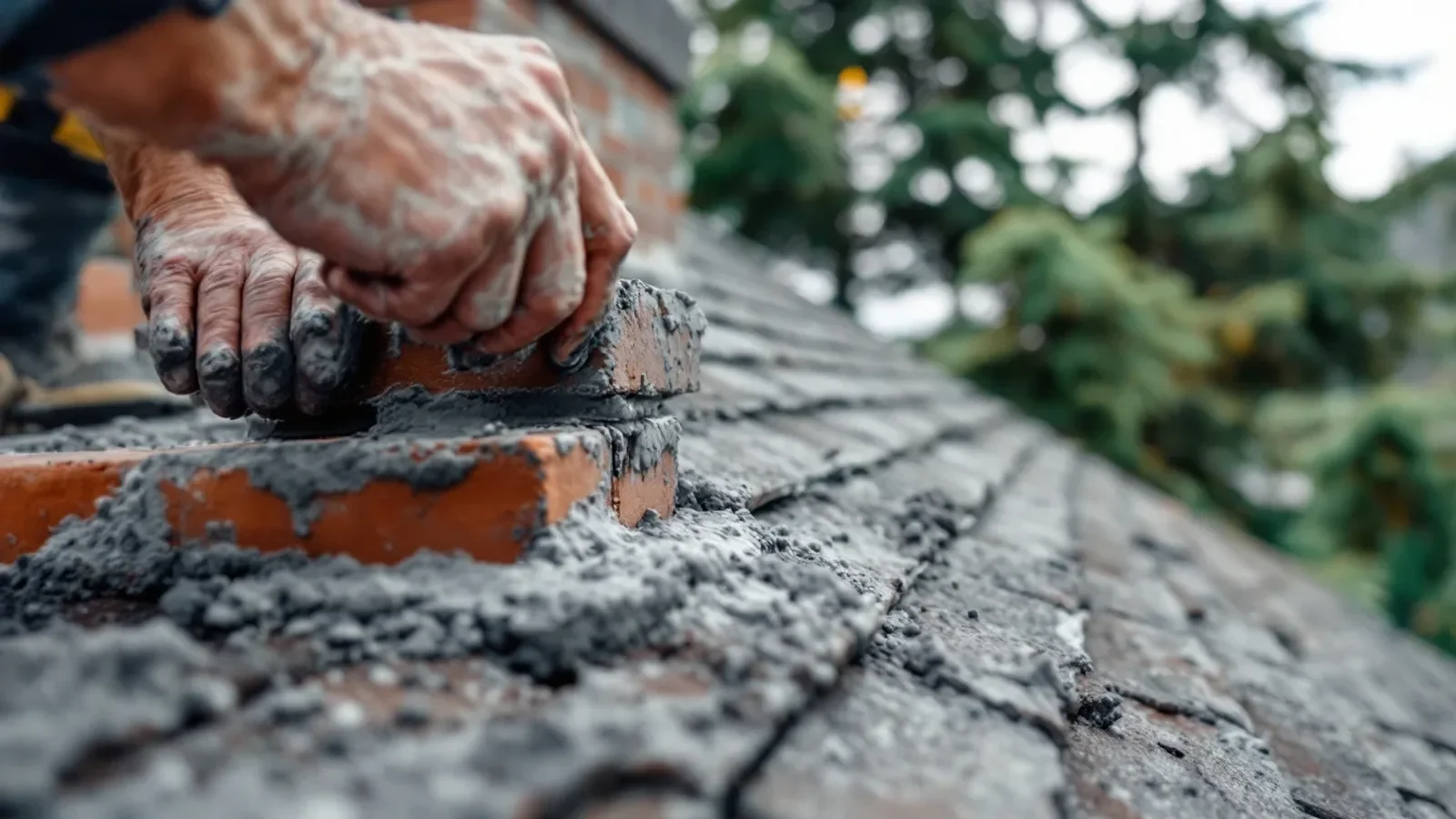
Seattle\’s persistent rain can cause major issues for masonry chimneys. If water penetrates the outer brickwork, it can cause the brick faces to pop off (spalling) or degrade the mortar joints. During a professional visit, the technician will assess the health of your chimney crown, the flashing, and the masonry itself. If damage is found, they can recommend repair solutions, such as tuckpointing or applying breathable water-repellent sealants, designed to protect your masonry from our harsh PNW weather.
Frequently Asked Questions
Can I clean my own chimney to save on maintenance costs?
While homeowners can buy basic DIY chimney brushes, professional cleaning is highly recommended. Certified sweeps have specialized high-powered vacuum systems, safety gear for heights, and video inspection tools to detect internal flue cracks that a homeowner cannot see. Missing these hidden hazards can lead to devastating house fires.
Is burning softwoods like Douglas fir bad for my chimney?
Douglas fir is a softwood common to the Pacific Northwest and can be burned safely, but it must be properly seasoned. Softwoods burn faster and hotter than hardwoods, which is great for starting a fire, but they must have a moisture content below twenty percent to avoid excessive soot production.
What happens if I ignore creosote buildup?
Ignoring buildup can lead to a chimney fire, which can burn hot enough to melt steel liners, crack masonry, and quickly spread to the rest of your home. Additionally, heavy buildup restricts draft, which can force dangerous carbon monoxide gas back into your living space.
How do I know if my chimney liner is cracked?
A cracked chimney liner can only be reliably diagnosed through a professional video inspection. Some warning signs include small pieces of clay tile falling into your firebox or smoke leaking through upper floors of your home, but a camera scan is the only way to confirm structural integrity.
Ensure Your Hearth is Safe and Secure
Don\’t let damp Northwest wood and hidden soot buildup put your household at risk this winter season. For peace of mind and professional care from trusted local experts, schedule your chimney cleaning today with Nation Wide Chimney Sweep&Repair in Seattle.