How to Choose a Reputable Chimney Sweep in Seattle
Most Seattle homeowners assume any licensed contractor can handle a chimney, but chimney work sits in its own category of expertise, one where the wrong choice can mean a missed creosote deposit, an undetected crack in the flue liner, or water damage that quietly spreads through a masonry wall over a wet Pacific Northwest winter. The credential gap between a general handyman and a certified chimney professional is significant, and knowing how to spot the difference protects both your home and your budget. This guide walks through exactly what to compare when vetting chimney sweeps in the Seattle area, so you can make a confident decision before the rainy season arrives.
Why Seattle’s Conditions Raise the Stakes
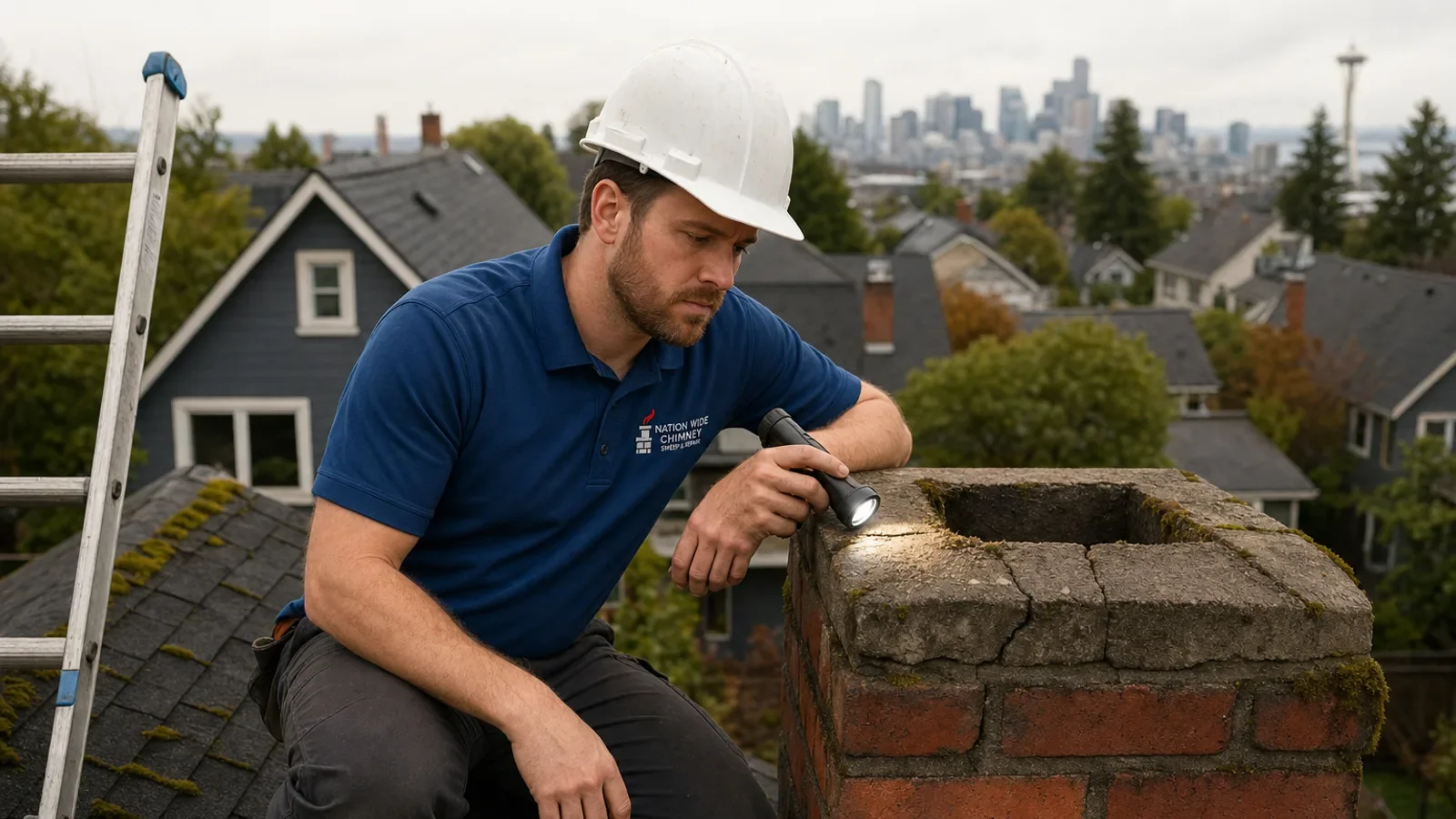
Seattle’s climate creates a specific set of chimney challenges that not every technician is trained to handle. The city averages around 37 inches of rainfall annually, and that moisture finds its way into every small crack, open mortar joint, and improperly sealed chimney crown. Older Craftsman bungalows and mid-century homes throughout neighborhoods like Ballard, Wallingford, and Beacon Hill often have original brick chimneys that have absorbed decades of rain-freeze cycles, making inspection thoroughness more critical than it might be in a drier climate.
Beyond moisture, Seattle’s mild but damp winters mean many homeowners burn wood inconsistently, lighting fires only on the coldest stretches. Infrequent burning at lower temperatures is one of the leading contributors to creosote accumulation, because incomplete combustion deposits more residue per burn than a hot, sustained fire. A sweep who understands this regional pattern will know where to look and what stage of creosote buildup to expect. For a deeper look at why this buildup happens in local homes, see our guide to creosote causes in Seattle.
Certification vs. Licensing: Understanding the Difference
One of the most common points of confusion for Seattle homeowners is the difference between a state contractor’s license and a chimney-specific certification. Washington State requires contractors to hold a license through the Department of Labor and Industries, but that license alone does not verify chimney expertise. Chimney-specific knowledge is validated through the Chimney Safety Institute of America (CSIA), which certifies technicians as Certified Chimney Sweeps (CCS) after passing a rigorous exam covering combustion, venting, clearances, and fire safety standards.
When comparing providers, ask each one directly whether their technicians hold a current CSIA certification. Certifications require renewal and continuing education, so an expired credential is worth noting. The National Fireplace Institute (NFI) offers additional specialty credentials for gas and pellet appliances, which matters if your Seattle home has a gas insert or a wood-burning stove alongside a traditional masonry fireplace.
Insurance is equally non-negotiable. At minimum, ask for proof of general liability coverage and workers’ compensation. A chimney sweep working on your roof without workers’ comp creates real liability exposure for you as a homeowner if an injury occurs on the job.
Questions to Ask Before You Book
A brief phone or email conversation before scheduling reveals a great deal about how a company operates. The questions below are worth asking every sweep you consider in the Seattle market.
- Do your technicians hold current CSIA certification? Ask for the technician’s name so you can verify it on the CSIA directory if you choose.
- What does your inspection include? A Level 1 inspection (visual, accessible areas) is standard with a routine cleaning. If you’ve had a chimney fire, experienced unusual odors, or are buying a home, ask whether they perform Level 2 inspections with a video camera scan of the flue interior.
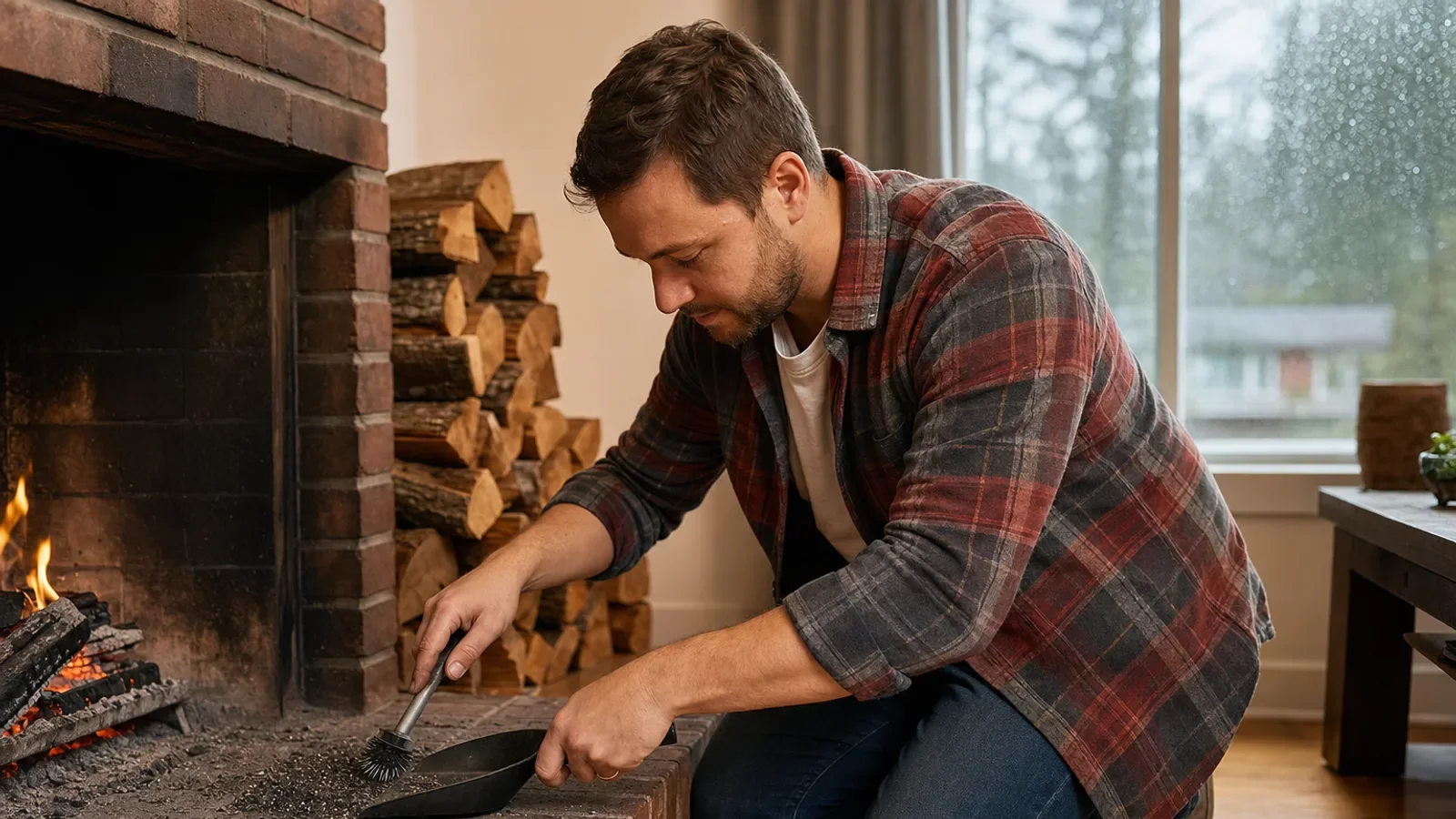
- How do you protect the home during cleaning? Professional sweeps use drop cloths, high-efficiency vacuums, and negative-pressure equipment to prevent soot from entering living spaces. If a company can’t describe their dust-control process, that’s a practical red flag.
- Will you provide a written report after the inspection? A written summary with photos documents the condition of your chimney and creates a baseline for future visits. Verbal-only reports make it difficult to track changes over time or support an insurance claim.
- Are you familiar with Seattle’s older masonry stock? Experience with aging brick, lime mortar, and original clay tile liners is not universal. A technician who mostly works on newer gas inserts may be less equipped to assess a 1920s brick chimney in Fremont.
If any of those questions are met with vague answers or irritation, that response itself is useful information. A professional with nothing to hide welcomes the scrutiny.
If you want it handled correctly the first time, consider professional chimney cleaning in Seattle.
Option Comparison: What Separates Chimney Specialists from General Contractors
Seattle homeowners often face a practical choice between a dedicated chimney service company and a general home services contractor who lists chimney cleaning among many offerings. The table below compares the two across the criteria that matter most for Pacific Northwest homes.
| Criteria | Dedicated Chimney Specialist | General Home Services Contractor |
|---|---|---|
| CSIA Certification | Standard expectation; verifiable on CSIA directory | Varies widely; often absent or not emphasized |
| Inspection Depth | Level 1, 2, and 3 inspections available; video scanning common | Typically visual-only; Level 2/3 rarely offered |
| Creosote Assessment | Trained to identify all three stages; knows regional burn patterns | May identify Stage 1 buildup; advanced stages often missed |
| Repair Scope | Flue liner repair, crown repair, waterproofing, tuckpointing in-house | Cleaning only; repairs subcontracted or not offered |
| Written Documentation | Written report with photos standard practice | Verbal summary common; written reports inconsistent |
| Seattle Climate Knowledge | Familiar with moisture-related masonry issues specific to the region | General knowledge; may not flag rain-specific damage patterns |
The distinction matters most when something beyond routine cleaning is needed. If a sweep identifies a cracked flue tile or a failing chimney crown during your appointment, a dedicated specialist can assess the full scope of the problem and address it in the same service relationship. Understanding what those repairs involve is worth exploring separately; our breakdown of chimney repair cost factors in Seattle covers what drives the scope and complexity of common fixes.
Red Flags Worth Knowing
Alongside the positive signals, a few patterns suggest a provider may not be the right fit for a Seattle home.
Unusually quick appointments. A thorough chimney sweep and Level 1 inspection on a standard masonry fireplace typically takes between 45 minutes and an hour and a half depending on the system’s condition and accessibility. A technician who rushes through in 20 minutes has likely skipped steps.
No mention of a written report. If a company doesn’t offer documentation of what they found, you have no record of the chimney’s condition and no basis for comparison at the next cleaning.
Pressure to approve repairs on the spot. A reputable sweep will document findings, explain what they observed, and give you time to consider your options. Decisions on flue liner replacement or chimney crown repair should not feel rushed. If you notice signs that something may already be wrong with your chimney, our guide on Seattle chimney leak signs can help you understand what to look for before the appointment.
No verifiable local presence. Check that the company has a physical Seattle-area address, verifiable reviews on Google or similar platforms, and a history of operating locally. Transient service providers who appear seasonally may not be reachable if a warranty issue arises after the visit.
Which Approach Is Right for Seattle Homes
For the majority of Seattle homeowners, particularly those with older masonry chimneys, wood-burning fireplaces, or homes that have gone more than a year or two without a professional cleaning, a dedicated chimney specialist with current CSIA certification is the clear choice. The combination of regional moisture exposure, aging housing stock, and the creosote dynamics of low-frequency burning creates a scenario where depth of expertise matters more than convenience or a lower initial quote.
Many Seattle homeowners rely on expert chimney cleaning in Seattle for exactly this.
General contractors may be adequate for very new, simple gas fireplace systems with minimal history, but even then, the lack of chimney-specific training means subtle warning signs can go unnoticed. The cost of a missed crack in a flue liner or an undetected chimney leak almost always exceeds the difference between hiring a specialist and a generalist in the first place.
For a complete picture of what the actual appointment looks like once you’ve chosen a provider, the professional chimney sweep process overview walks through each step from arrival to final inspection report, so you know what to expect on the day of service.
Frequently Asked Questions
How often should Seattle homeowners schedule a chimney sweep?
The National Fire Protection Association (NFPA 211) recommends an annual inspection for all chimneys, fireplaces, and venting systems. In Seattle, where damp conditions accelerate mortar deterioration and infrequent burning increases creosote risk, annual cleaning and inspection before the heating season is a practical standard for any wood-burning system.
Can I verify a chimney sweep’s CSIA certification myself?
Yes. The CSIA maintains a public directory at their website where you can search by technician name or zip code to confirm current certification status. It takes less than a minute and removes any uncertainty about whether a credential is current.
What is a Level 2 chimney inspection, and do I need one?
A Level 2 inspection includes everything in a Level 1 visual inspection plus a video camera scan of the flue interior, which can reveal cracks, gaps in the liner, or blockages that aren’t visible from the firebox or the rooftop. It’s recommended when buying or selling a home, after any chimney fire, or when switching fuel types, such as converting from wood to a gas insert.
Is it safe to use my fireplace before scheduling a sweep?
If your chimney hasn’t been inspected within the past year, or if you’ve noticed unusual odors, smoke backing into the room, or visible damage to the firebox or crown, it’s worth scheduling an inspection before lighting fires this season. A sweep can identify whether the system is ready for use or needs attention first.
What should I do to prepare my home before the sweep arrives?
Clear the area around the fireplace, move rugs and furniture a few feet back, and make sure the technician has access to both the firebox and the rooftop. If you have pets, keeping them in a separate room during the appointment makes the process smoother. After the visit, post-cleaning fireplace maintenance tips for Seattle homes can help you keep the system in good shape between annual appointments.
Does homeowner’s insurance cover chimney repairs found during a sweep?
Coverage depends on the cause of the damage and your specific policy. Sudden events like a chimney fire or storm damage are more commonly covered than gradual deterioration from wear or deferred maintenance. A written inspection report with photos from your sweep provides documentation that can support a claim if damage is discovered. Requirements vary, so reviewing your policy or speaking with your insurer directly is the best step.
Ready to Schedule with a Seattle Chimney Specialist?
Choosing the right chimney sweep comes down to verifiable credentials, clear communication, and experience with the specific conditions Seattle homes face. Nation Wide Chimney Sweep and Repair serves the Seattle area with CSIA-certified technicians, written inspection reports, and the full range of cleaning, inspection, and chimney repair services that older Pacific Northwest homes often require. Contact us to schedule your appointment before the heating season begins.