Finding the right chimney repair contractor in Seattle is as much about fit and communication as it is about technical skill. Our city’s chimneys sit through months of rain, the occasional freeze, and gusty storms that blow moisture sideways under caps and into flashing seams. You want a team that understands how the marine air, moss, and microclimates from West Seattle to Lake City shape repair strategies. The right partner listens first, investigates carefully, and then lays out a plan that addresses causes, not just symptoms. And for homeowners who are getting serious about restoring performance and appearance, beginning with a clear sense of process helps everything move more confidently from first call to final walk-through. If you are starting your search for reliable chimney repair help, here is how to evaluate contractors the Seattle way.
Start with local experience you can see and verify
Seattle’s housing stock ranges from early 1900s brick to contemporary townhomes, each with their own chimney nuances. Look for contractors who can point to projects in neighborhoods like Ballard, Capitol Hill, Ravenna, and Beacon Hill. Ask about the oldest chimneys they have repointed and the steepest roofs they have worked on. Photos and references tell you not just whether a crew can do the work, but whether they do it safely, neatly, and consistently. In a city with tight access and delicate landscaping, careful staging and site protection are hallmarks of a seasoned professional.
Ask about assessment methods and documentation
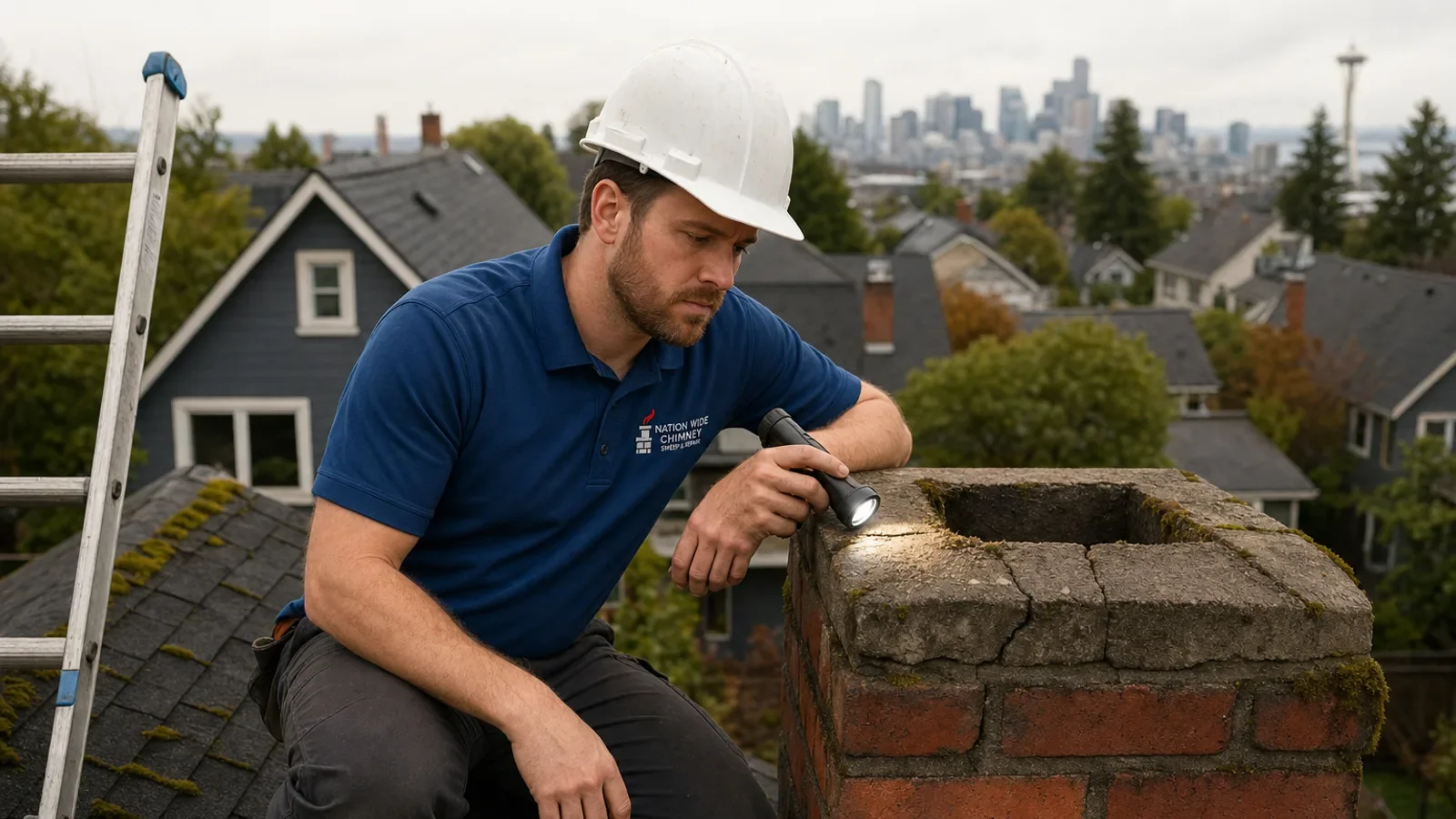
A thorough contractor makes the invisible visible. Before proposing solutions, they should inspect the crown, cap, exterior joints, flashing, and flue, documenting conditions with photos or video when feasible. For shared or lined flues, they should explain how exhaust paths, appliance types, and condensation risks factor into the plan. The goal is to avoid guesswork. When you can see the crack in the crown or the open head joints on a photo, the scope of work is no longer abstract—it is a clear response to a real issue in your specific chimney.
Look for material knowledge and mortar matching
Not all brick in Seattle behaves the same. Many older homes have softer, handmade-looking brick that benefits from gentler lime-rich mortar. Newer brick might accept a harder blend. A contractor who speaks fluently about mortar composition, tooling styles, and color matching is someone who will protect both your chimney’s structural integrity and its curb appeal. They should also be able to discuss breathable water repellents—what they do, when to apply them, and how they fit into a holistic moisture strategy.
Evaluate communication style and clarity
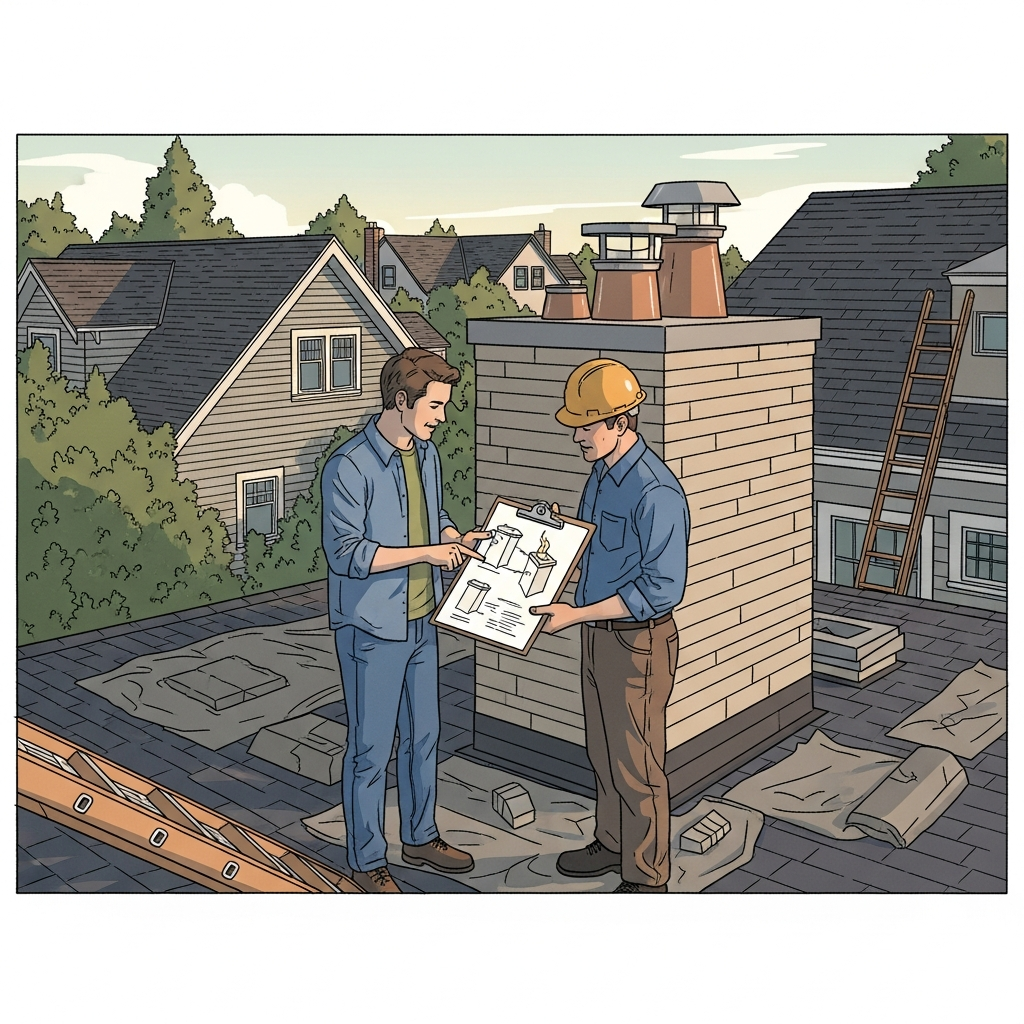
Clear communication keeps projects calm, even when the weather is not cooperating. Expect a proposal that explains each step in plain language and pairs it with photos. Ask how they handle unforeseen issues—like discovering deeper liner damage—or weather delays. The tone should be collaborative, with a focus on safety, protection of property, and the logic behind each repair choice. This is the moment to ensure your priorities are heard, whether that is preserving historic aesthetics, finishing before the holidays, or integrating work with a roof project already on the calendar.
Safety, access, and Seattle’s unique logistics
From steep Queen Anne gables to tall Fremont stacks, chimney work demands attention to rigging and fall protection. Ask how the crew will access your chimney, how they will protect plantings, and where they will stage materials. In tight neighborhoods, even parking a truck can be a puzzle. Contractors who plan for these realities reduce the chance of delays and keep your home and neighbors happy. It is a small sign, but how a team treats your property on day one often mirrors how they treat the details you cannot see at the top of the stack.
Integration with roofing and interior finishes
Chimneys do not live in isolation; they intersect with roofs, attics, and interior finishes. A capable chimney contractor understands how their work ties into roof shingles, underlayment, and counterflashing. If the chimney shares space with a skylight or valley, water movement gets complex, and details like a cricket may be necessary. Inside, they should respect finished surfaces, protect floors and mantels, and explain how dust will be contained if interior work is needed. The best outcomes happen when all trades communicate, particularly if you are coordinating with a roofing or remodeling project.
Scheduling around the weather and curing times
Seattle’s forecasts can shift on a dime. Good contractors watch the windows and time moisture-sensitive work—like crown repairs and broad repointing—when conditions are stable. They also explain how long each material needs to cure and what protections they will use if showers sneak in. If you hear a schedule that ignores the realities of rain, that is a red flag. It is better to plan carefully than to rush and risk compromised results.
Transparency on scope and expectations
A well-written scope reads like a story with a beginning, middle, and end. It should start with site protection and access, move through the specific repairs with photos and product descriptions, and finish with cleanup and documentation. You should know how many bricks will be repointed or replaced, what type of crown is proposed, how flashing will be integrated, and whether a water repellent is part of the plan. When each element maps clearly back to a photographed issue, the whole proposal feels grounded and trustworthy.
What makes Seattle chimneys different
Beyond the rain, our chimneys contend with occasional seismic activity, salt-laden air near the Sound, and urban wildlife that sees a cozy flue as prime real estate. Wind patterns can push rain laterally up under caps and into tiny gaps. Moss thrives in shaded, north-facing sides and holds moisture against brick. These are subtle pressures, but together they shape repair priorities. A Seattle-savvy contractor takes these local patterns seriously and builds defenses accordingly, from the crown slope and drip edges to cap design and flashing overlaps.
Red flags to watch for when hiring
Be cautious of anyone proposing a quick fix without diagnosing the source of moisture. Another caution sign is a plan that leans too heavily on sealers without addressing open joints or a failing crown. If a contractor cannot explain mortar choices or shrugs off the need for a properly designed cap, they may not be thinking systemically. Finally, pay attention to how they talk about cleanup, protection, and communication—details that signal professionalism across the board.
Why documentation matters long after the job
Quality contractors leave a paper and photo trail. That is useful to you today, but it is also helpful when you sell your home or plan future maintenance. Knowing the blend used for repointing, the date a crown was cast, and the product applied as a water repellent makes future touch-ups straightforward. If you ever need to coordinate with insurance after a storm, those records also provide clarity about pre-existing conditions and the quality of recent work.
By the midpoint of your search, you should feel like you are comparing clear, apples-to-apples plans, not trying to decode jargon. If at any point the path forward seems fuzzy, reach out for a second opinion from established chimney repair professionals in Seattle who can explain how each proposed step solves a specific problem in your stack.
How to prepare your home for the crew
A little preparation sets the stage for a smooth visit. Clear the driveway or street space if asked, move patio furniture away from work zones, and let the team know about irrigation lines or delicate landscaping. Inside, remove items from the mantel and hearth area, and identify where the crew may route cords or stage protective coverings. If you have pets, decide how they will be kept safe and calm during the workday. Small steps like these let skilled people focus on the task at hand.
What to expect during the repair
On arrival day, you should see ground protection, roof tie-offs, and a tidy staging area. As work begins, expect periodic updates, especially if uncovering hidden issues. Good crews photograph as they go and invite you to take a look at milestones, even if that means sharing rooftop images when climbing is not practical for you. At the end of each day, the site is cleaned and secured. When the final day comes, a walk-through and a set of after photos gives you confidence in what was completed and why.
Aftercare and maintenance habits
Repairs are most successful when followed by simple, steady maintenance. Watch the top during the first big storms of the season, and keep an eye out for any staining inside. Trim branches to reduce debris and shading. If your system serves a wood-burning appliance, schedule regular cleanings to limit creosote buildup that can trap moisture. And consider a check-up after a year to reassess how the system is performing and refresh any sealers when recommended. Consistency keeps small issues small.
Frequently Asked Questions
How do I verify a chimney contractor’s experience with Seattle homes?
Ask for neighborhood-specific references and recent project photos. A solid local track record usually includes work on steep roofs, historic brick, and integration with roofing. Contractors who can cite projects in multiple Seattle neighborhoods are more likely to understand our varied rooflines and microclimates.
What should a good chimney inspection include before repairs?
Expect a roof-level assessment of the crown, cap, joints, and flashing; interior checks where accessible; and a flue camera review when conditions allow. Photo documentation is vital. The inspection should connect observed issues to clear, targeted solutions rather than generic recommendations.
Is it important that a contractor matches my existing mortar?
Yes. Proper mortar matching protects both the structure and the look of your chimney. Older bricks often require lime-rich, softer mortars to prevent spalling. Color and tooling match help the repair blend seamlessly, preserving curb appeal while ensuring durability.
How do weather and curing affect scheduling in Seattle?
Moisture-sensitive tasks like crown work and repointing are best performed in stable, dry windows. Contractors should monitor forecasts and protect fresh work if showers threaten. Good scheduling respects curing times, even if it means delaying by a few days for better results.
What are signs that a proposal is not addressing root causes?
Watch for heavy reliance on sealers without repairing open joints or a failed crown, vague descriptions without photos, and dismissal of flashing integration. A strong plan addresses water entry points first, then fortifies the system with compatible materials.
How do I coordinate chimney work with roofing or remodeling?
Share timelines early so trades can align details like counterflashing, crickets, and vent terminations. Many of the best outcomes happen when chimney repairs are timed alongside roofing, ensuring tight integration and clean transitions between materials and systems.
Ready to move forward with confidence?
If you want a clear, Seattle-savvy plan and a crew that communicates every step, connect with local specialists who diagnose before they recommend and who care for your home as carefully as you do. Start the conversation with trusted chimney repair experts who know our weather, our brick, and our neighborhoods, and enjoy the peace of mind that comes from a chimney ready for the rainy season.