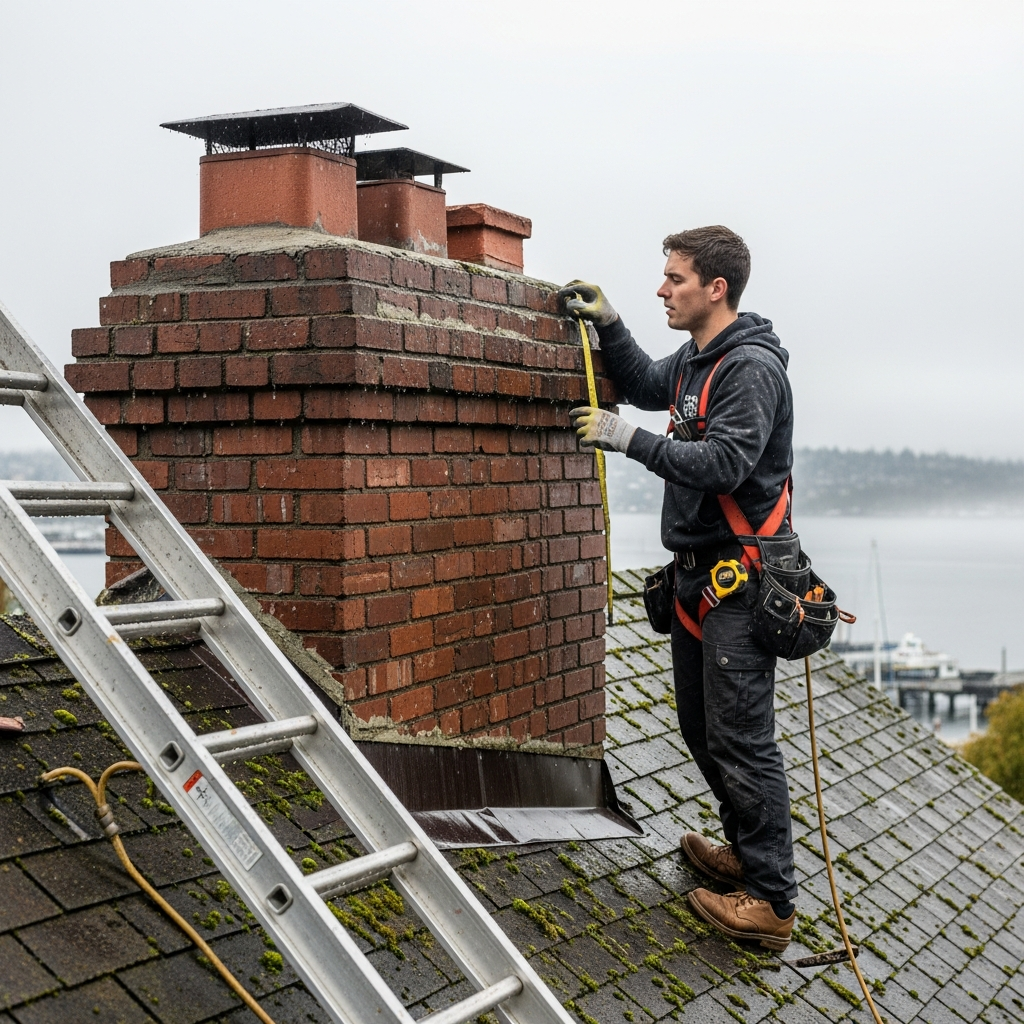
Ask any long-time Seattle homeowner about their chimney and you will likely hear a story that starts with misty mornings, ends with a wind-driven storm, and lands somewhere in between with a technician on the roof laying out options. In our maritime climate, brick and masonry chimneys are tough, handsome, and traditional, yet constantly challenged by moisture, temperature swings, salty breezes off Puget Sound, and the occasional freeze-thaw cycle that sneaks in during cold snaps. When people ask about what chimney repair will entail for a brick or masonry home in Seattle, they are often trying to understand what truly drives the investment and how to prioritize work in a way that protects the house for years to come. At the heart of the conversation is less about a single number and more about the variables that shape a thoughtful, durable plan.
If you take one thing away, let it be this: the biggest factor is not the age of your chimney, but its condition, the source of moisture, and the repair approach that will best address root causes. Whether you live in a 1920s Craftsman in Wallingford, a mid-century in West Seattle, or a renovated bungalow on Capitol Hill, each chimney tells a different story. Sometimes it is a hairline crack in the crown quietly admitting rain; sometimes it is a sunken mortar joint that invites wind-blown water, or a missing cap that has forced years of wet weather directly into the flue. Early intervention goes a long way, and working with a seasoned local team who knows the quirks of our roofs and brick makes a profound difference. If you are beginning to research options for chimney repair, it helps to understand the Seattle-specific factors that shape decisions.
Understanding what drives a Seattle masonry chimney repair
In practical terms, masonry chimneys are a system rather than a single stack of brick. You have the crown at the very top, the flue liner that guides exhaust, the cap that keeps out rain and animals, the exterior brick and mortar, the flashing where chimney meets roof, and the internal chase area that may be framed and finished on the interior. Damage almost always begins where water finds the easiest path. That might be the crown, a cracked flue tile, a worn head joint, or flashing that has separated where the house has settled. When we assess a chimney, we map damage back to its source, because treating symptoms without solving the cause leads to repeat issues and frustration. In Seattle, where rain can come sideways and linger for days, water management is paramount and dictates the techniques we recommend.
Why Seattle’s climate changes the repair conversation
Our winters are not the coldest in the country, but they are damp and persistent. Moisture saturation of brick and mortar can trigger subtle freeze-thaw stress when temperatures dip, especially on north-facing walls that never quite dry out. Moss and algae add yet another layer, trapping water against the surface and slowly working into micro fissures. Add wind rolling in from the Olympics and you have conditions that can drive water up under a cap or laterally into joints that would stay dry in a calmer environment. Any repair plan in this city needs to acknowledge not only immediate defects but also the way moisture will interact with the chimney over the next decade. That is why you will hear experienced masons in Seattle emphasize drainage details, compatible materials, and careful curing windows when the weather allows.
Materials, methods, and compatibility with historic and modern brick
Not all mortar is created equal. Many older Seattle homes were built with softer brick and lime-rich mortars that move with the structure and breathe in a way modern, cement-heavy mixes do not. Using a mortar that is too hard can lead to spalling brick faces because the masonry cannot relieve stress by moving through the joints as designed. The right repair respects the original materials. On a 1920s chimney, that might mean a lime-based repointing mix matched for color and flexibility, whereas a newer chimney could accept a different blend. Sealers, too, must be selected with care. Breathable, vapor-permeable water repellents are preferred here, allowing moisture that inevitably enters to escape rather than trapping it inside the masonry. The best results come from a patient, detail-oriented approach that pairs proper products with the exact brick you have, not a one-size-fits-all solution.
Access, roofs, and the logistics unique to Seattle neighborhoods
From Queen Anne’s steep pitches to Ballard’s clusters of power lines, just getting to a chimney can be half the art. Safety rigging, scaffold placement, and staging materials in tight driveways or alleyways all influence the workflow. Many of our older homes have limited side access or landscaping that makes ground protection essential. If the chimney is tall or the roof is particularly steep, additional fall protection and staging steps are necessary, and that affects how many days are needed for the job and when it can be scheduled. Working smartly with Seattle’s ladder clearances, neighborhood parking rules, and the home’s unique geometry leads to smoother projects and better outcomes—particularly when weather windows are narrow and crews need to move decisively between rain bands.
Inspection depth and documenting conditions before work begins
A quality repair starts with documentation. Photos from the roof and the attic, video from within the flue when accessible, and notes about previous alterations all inform the plan. We look for patterns: efflorescence that points to rising damp, isolated spalls that suggest a hard mortar or a trapped drain point, and hairline crown splits that widen toward a drip edge. On the interior, we watch for staining on the ceiling near the chimney chase, peeling paint by the fireplace surround, or a faint musty odor that appears after storms. If a gas appliance shares the chimney, we consider condensate behavior and whether the liner is appropriately sized. The goal is clarity: one set of issues, one set of root causes, one integrated solution.
Planning for moisture management as the central goal
Once we have mapped the problem, moisture management becomes the theme. If the crown has failed, a new cast-in-place crown with a proper overhang and drip edge can transform performance. If joints are open, targeted repointing with the right mortar blend breathes new life into the exterior. If the cap is missing or undersized, a properly designed cap that covers flues and sheds rain is essential. Where flashing meets the roof, counterflashing must be integrated correctly, and if a cricket is needed uphill of the chimney to divert water, that detail can prevent standing moisture at the base. When a flue liner shows damage, repair choices depend on the appliance it serves and the severity of cracking; regardless, ensuring that exhaust flows smoothly and stays dry is part of protecting the masonry from the inside out.
How long repairs last and how Seattle seasons affect durability
Durability hinges on correct materials, thorough prep, and smart scheduling. Even the best mortar needs time to cure without being pounded by rain. Setting crowns and performing exterior repointing during stable stretches of weather reduces the risk of washout or improper cure. Breathable water repellents, applied only after masonry has fully dried, can extend the life of a repair significantly by limiting liquid water uptake while allowing vapor to pass. In our region, the dividends of doing it right show up most in November through March, when day after day of wet conditions will test every seam and surface. A repair that sheds water cleanly and dries swiftly between storms protects not just the chimney but the surrounding roof structure and interior finishes.
Homeowners often ask how to think about value over time. We suggest thinking in layers: stop the leak at the top, seal the path in the middle, and strengthen the shell on the outside. For example, addressing a crown crack without evaluating the cap or flashing can yield only partial success, because wind-driven rain may still find a laterally open joint or an uphill pooling point. Conversely, when the system is tuned end-to-end—cap, crown, liner condition, joints, flashing—the chimney’s resistance to moisture jumps dramatically. Somewhere around the midpoint of planning, it can be helpful to revisit your initial goals and ask whether the proposed scope resolves causes or reacts to symptoms. If you need a second perspective during that stage, reaching out to seasoned chimney repair professionals can clarify the best path forward for your specific home and roofline.
Historic charm versus modern performance
Seattle’s older brick carries a charm that is worth preserving, but it comes with responsibilities. Gentle cleaning methods, careful joint raking, and mortar matching protect the patina and historic character that make these houses special. Modern performance targets like airtightness and updated appliances also change how a chimney behaves. A fireplace that once drafted on a leaky old house might now struggle in a tightened envelope, making the flue more susceptible to condensation or backdrafting. Repair strategies can bridge that gap—through correct liner sizing, top-sealing dampers, and attention to combustion air—keeping tradition intact while aligning with contemporary comfort and safety.
Communication, expectations, and phasing work
Because our rain can stretch projects across several weather windows, a good plan builds in milestones and clear expectations. On day one, protection for landscaping and interiors should be in place. Photographs before and after each stage maintain transparency. If you are phasing work—perhaps repointing and flashing now, with a crown rebuild during a drier season—that should be discussed openly so temporary protections are robust. The most satisfying projects are the ones where homeowners know exactly what will happen, why it matters, and how each step contributes to a long-lived chimney.
Maintenance that preserves your investment
Once repairs are complete, the simplest habits pay the biggest dividends. Keep an eye on the top from the ground after storms; use binoculars to spot any debris on the cap or signs of wildlife interest. Trim branches that overhang the roof to reduce organic litter and shading that fuels moss growth. If you burn wood, schedule routine cleanings so creosote does not combine with moisture to accelerate internal wear. And remember that sealers are not forever; vapor-permeable repellents typically need re-application on a cadence determined by exposure and product type. A short annual check-in—especially after the first big atmospheric river of the season—helps you catch small issues when they are easiest to address.
Permits, codes, and Seattle’s safety mindset
Chimney work touches life safety and fire prevention, so it is approached with care. Depending on the scope—particularly if structural changes, liner alterations, or appliance venting updates are involved—permits and inspections may be part of the process. Working with teams accustomed to Seattle’s permitting and inspection practices keeps the process smooth and ensures details like clearances to combustibles, proper termination heights above the roof, and flashing integrations are verified. Thorough documentation also provides a paper trail for future home sales, demonstrating that the system was evaluated and repaired thoughtfully by qualified professionals.
Seasonal timing and choosing the right window
While chimney work in Seattle happens year-round, certain tasks simply go better in the shoulder seasons or during stable summer weather. Casting a crown, performing larger repointing areas, or applying water repellents demand dry conditions. Smaller diagnostic or interior tasks can proceed in the wetter months with appropriate protections. Planning ahead—especially if you want your fireplace or stove ready for the first cool evenings of fall—ensures that materials have time to cure and any adjustments can be made before you rely on the system daily.
Common myths and realities we see across the city
One common myth is that brick is waterproof because it is hard. In reality, masonry is porous and designed to manage moisture, not exclude it entirely. Another misconception is that a shiny new cap will solve every leak. A cap is critical, but without a sound crown and intact joints, water can still enter. Some homeowners believe that all cracks are the same; in truth, the width, location, and pattern of a crack tell a story about stresses, materials, and movement. Understanding these subtleties guides repairs that last, rather than quick patches that weather away after a season or two of Pacific storms.
Long-term value and peace of mind
The most valuable outcome of a well-planned repair is not only a dry ceiling or a handsome brick face; it is confidence. When rain drums the roof in December and the wind veers, you do not wonder whether water is slipping into the attic. When you cozy up to the fire, you know exhaust is moving properly. And when you look at your home’s profile from the sidewalk, the chimney reads true and cared-for. In a city that celebrates craftsmanship, those qualities are part of what makes living here special.
Frequently Asked Questions
How do I know if my chimney needs immediate attention or can wait?
Look for active leaks, interior staining, musty odors after storms, or visible crown and mortar failures. In Seattle, wind-driven rain can turn a minor flaw into an active leak quickly, so err on the side of assessing early. If the issue is cosmetic and dry, a planned repair during a better weather window may be fine. When in doubt, a visual inspection and, if needed, a flue video can prioritize what truly needs prompt action.
What are the most common sources of water entry in Seattle chimneys?
The usual suspects are cracked or poorly sloped crowns, missing or undersized caps, open mortar joints, and flashing separations where the chimney meets complex rooflines. Lateral rain magnifies any small opening. A methodical survey from top to base—cap, crown, flue condition, brick, flashing, and roof drainage—pinpoints the pathway.
Will a water repellent fix my leaky chimney?
Water repellents are excellent at reducing liquid water uptake on sound masonry, but they are not a cure for active defects. Think of them as part of a system: after cracks are repaired, joints repointed, and the crown sealed or rebuilt, a breathable repellent can greatly improve performance. Applying a sealer over unresolved cracks or failing mortar traps problems rather than solving them.
Do older Seattle bricks require special treatment?
Yes. Many historic chimneys use softer brick and lime-based mortar that demand compatible repair materials. Using a mortar that is too hard risks damaging bricks through freeze-thaw and stress concentration. Skilled masons match mortar composition, color, and tooling to protect both appearance and function.
How should I time chimney work around the rainy season?
Reserve major exterior tasks—crown replacement, broad repointing, and sealer application—for drier windows when possible. Diagnostic work, minor touch-ups, and interior-related tasks can proceed in wetter months with proper protection. Scheduling early allows flexibility to adapt to weather shifts and ensures curing happens under favorable conditions.
What signs inside my home suggest a chimney moisture issue?
Look for ceiling or wall staining near the chimney, paint that bubbles or peels, a faint earthy odor after storms, or a fireplace surround that feels damp to the touch. In basements serving as chases for multiple flues, a musty smell combined with salt-like efflorescence can flag chronic moisture movement. Early attention prevents secondary issues with finishes and framing.
Ready to protect your chimney and your home?
If you are mapping out next steps and want a clear, Seattle-savvy plan, reach out to trusted local professionals who can evaluate your system top to bottom and explain options in plain language. Thoughtful work tailored to our climate pays for itself in peace of mind when the winter rains arrive. Start the conversation with experienced chimney repair specialists who understand the nuances of our neighborhoods, and enjoy the confidence that comes from a dry, durable, and beautiful masonry chimney.