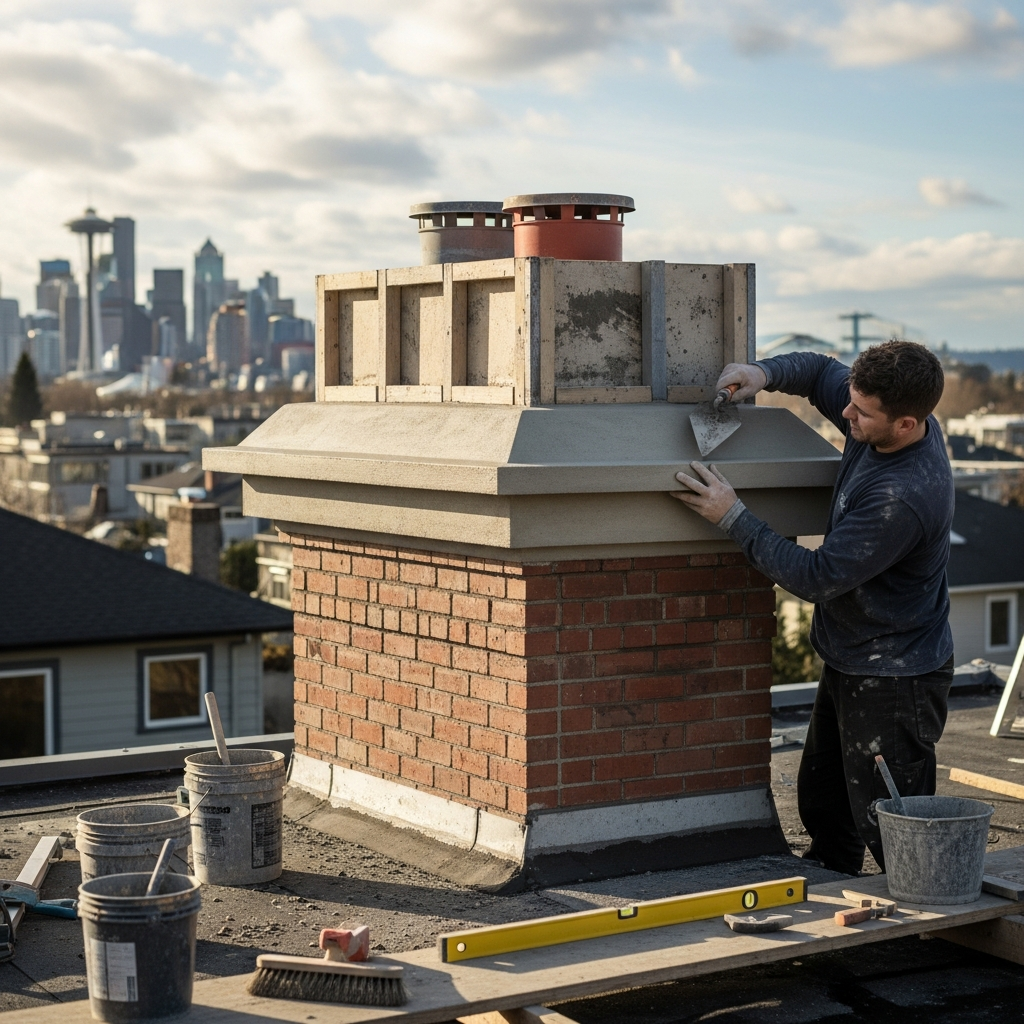
In Seattle, where rain is a year-round character in the story of our homes, the chimney crown is both unsung hero and frequent troublemaker. Perched at the very top of the stack, the crown is the first line of defense against the kind of wind-driven rain that defines our fall and winter. When it fails—through hairline cracks, poor slope, or inadequate overhang—water finds pathways into the masonry below, setting off a chain reaction of damage that can work downward for seasons before signs appear inside. Caring for the crown is not just about keeping water out for a storm or two; it is about safeguarding the entire chimney system in a climate that tests every edge and joint. If you are beginning to explore options for chimney repair with a focus on the crown, a Seattle-specific perspective will help you choose solutions that truly stand up to our weather.
What the crown does, and why it matters here
The crown is a sloped, typically concrete or specialized masonry surface that sheds water away from the flue and across the top course of brick to a drip edge. Done right, it prevents rain from soaking directly into the top of the stack and keeps the upper bricks and mortar from acting like a sponge. In our region, crowns earn their keep during long, steady rains and during storms that blow water laterally up under caps. A well-designed crown will shed, slow, and redirect that water before it can linger at the most vulnerable point of the chimney.
Common crown failures in Seattle’s marine climate
The earliest sign of trouble is often a hairline crack that widens microscopically with daily temperature swings and then allows just enough water to enter and freeze on cold nights. Over time, small cracks map across the surface. An under-sloped crown lets water pond, and a crown that lacks a proper drip edge allows runoff to cling to the underside and wick into the top course of brick. Crowns cast too thin, or bonded directly to the flue liner without a separation joint, will also crack as the flue expands and contracts with heating cycles. Each of these issues is magnified by Seattle’s persistent moisture and occasional freeze-thaw, especially on shaded, north-facing chimneys that dry slowly.
Diagnosing the source: crown, cap, or both
Because the cap and crown work together, water entry at the very top can sometimes be misattributed. A missing or undersized cap invites rain straight down into the flue, where it can condense and cause staining or odor. A cap with narrow coverage may allow water to strike the crown edges and then cling under the lip. Meanwhile, an intact cap cannot compensate for a cracked, flat, or undersized crown. During an inspection, we look for the telltale darkening of bricks just below the crown, hairline fissures that radiate from corners, and the absence of a clean drip edge. Each clue helps pinpoint where to focus repair efforts for lasting results.
Repair options: from targeted sealing to full reconstruction
Not every crown needs to be rebuilt from scratch. When cracks are fine and the overall slope and overhang are sound, a high-quality, elastomeric crown coating designed for masonry can bridge hairlines and flex with seasonal changes. The key is meticulous preparation: cleaning, drying, and priming as needed so the coating bonds properly. When slope is inadequate, edges are short, or cracking is widespread, a new cast-in-place crown typically provides the best long-term defense. That process involves removing the failing material, setting formwork that ensures the right thickness and slope, creating expansion joints where the crown meets the flue, and finishing with a crisp drip edge that throws water clear of the brick.
Choosing materials that breathe and endure
Seattle chimneys are not helped by repairs that trap moisture. Whether coating a sound crown or casting a new one, we prioritize materials that manage water intelligently. Breathable systems allow vapor to escape while blocking liquid water. A good crown concrete mix, properly cured, gains strength and sheds water without sealing the chimney shut. Coatings specifically designed for crown repair stretch without tearing, adhere to masonry, and tolerate UV and temperature changes. The combination is a crown that moves, drains, and protects over many seasons.
The importance of a correct drip edge
One detail separates a passable crown from a great one: the drip edge. By projecting the edge and adding a clean undercut, runoff breaks free rather than wrapping beneath and soaking the brick. In Seattle’s driving rain, this matters immensely. When water can shed in a consistent line around the perimeter, the top courses of brick remain notably drier, and mortar joints are spared the constant wetting that shortens their life. It is a small architectural move with an outsized impact on durability.
Integration with caps, flues, and flashing
The best crown repair is coordinated with the rest of the system. That means selecting or refitting a cap that covers the crown adequately, confirming that the flue termination height meets clearance standards, and ensuring that the top seal around the flue interface is flexible and neat. Down at the roof line, this is the moment to check flashing and the potential need for a cricket. Crown work that happens in isolation sometimes solves the immediate leak but leaves other moisture pathways open. In a city where water exploits every weakness, coordination is everything.
Working within Seattle’s weather windows
Concrete and coatings need dry time and moderate temperatures to cure properly. That means watching the forecast and staging work to take advantage of shoulder seasons and summer stretches. Rushing crown work into a rainy week is a recipe for compromised bonding and longevity. Smart scheduling, along with temporary protections if a shower surprises the jobsite, makes all the difference between a repair that lasts and one that needs revisiting.
Preserving historic brick while modernizing performance
Many of our city’s most beloved neighborhoods—Phinney Ridge, Madrona, and Wallingford among them—feature older brick with distinct colors and porous textures. Crown repairs on these chimneys demand a gentle touch and materials that do not overpower the original masonry. When we rebuild a crown, we tool edges and match profiles to respect the home’s era while quietly upgrading the performance of the water management details. The result is a chimney that looks right and stays dry, even when December rain comes sideways for days at a time.
Maintenance after a crown repair
Once your crown is restored, simple habits help preserve the work. Keep an eye on tree branches overhanging the chimney that may drop debris and shade the top, slowing drying. Observe the crown and cap after the first significant rains of fall, looking for even shedding and no signs of ponding. If a coating was used, follow the product’s guidance on periodic inspections and refresh cycles. And if your chimney serves a wood-burning appliance, regular cleanings keep acidic condensate from combining with moisture to stress the crown’s interface with the flue.
Around the midpoint of planning, many homeowners ask how to ensure that the work they approve will solve the right problem. The answer lies in thorough diagnosis and a repair that balances strength, flexibility, and smart detailing. If that sounds like a lot to juggle, you are not alone. This is a perfect moment to consult with experienced chimney repair professionals who can show you photos, explain options, and tailor the crown solution to your exact stack and roofline.
Case patterns we see across Seattle
We often encounter three repeating scenarios. First, a tall, exposed chimney with a thin, flat crown that has taken on water for years. Here, a cast-in-place crown with generous overhang transforms performance. Second, a sheltered chimney whose crown looks intact but shows hairline mapping; a flexible coating and cap upgrade address movement and keep water out. Third, a multi-flue stack where the crown lacks expansion joints, causing the surface to fracture from thermal cycling; a rebuild with isolation around each flue prevents recurrence. In all three cases, attention to drip edges and cap coverage is the unifying theme.
What success looks like after the next storm
After a correct crown repair, you should see water bead and run cleanly off the top, a dry upper course of brick, and no staining down the sides after storms. Inside, the musty odor that followed long rains should fade, and any interior staining should stop worsening once materials dry. Over time, you will notice fewer freeze-thaw marks, less efflorescence, and a chimney that simply blends into the background of a well-kept home—exactly as it should.
Frequently Asked Questions
How do I know my crown is the source of a leak?
Clues include darkening of bricks just below the top, fine surface cracks that collect dirt, and water staining that begins near the cap and fades as it travels downward. A careful roof-level inspection, often with close-up photos, can distinguish crown issues from cap or flashing problems.
Can a coating fix any crown problem?
Coatings are excellent for sound crowns with minor cracking. They are not a cure for widespread damage, poor slope, or inadequate overhang. When a crown is flat, thin, or fractured extensively, rebuilding with proper thickness, slope, and a drip edge is the durable answer.
What is the right slope and overhang for a crown?
While details vary by chimney size, the principles are consistent: a crown should shed water quickly and project beyond the brick with a crisp drip edge so runoff breaks free. In Seattle’s climate, that combination reduces saturation of the top course and protects mortar from constant wetting.
Do I need to replace the cap when repairing the crown?
Not always, but it is a good time to evaluate coverage and condition. A well-fitting cap shields the crown and flue from direct rain and debris. If your existing cap is undersized, corroded, or poorly fastened, upgrading it alongside crown work strengthens the overall defense against water.
How does Seattle weather affect scheduling and curing?
Dry, moderate conditions are best. Contractors watch for reliable windows to cast or coat crowns and use protections if surprise showers appear. Proper curing prevents premature cracking and ensures coatings adhere fully—critical for long-term performance in a wet climate.
Will crown repair change the look of my chimney?
Done thoughtfully, crown repair can preserve or even enhance appearance. Profiles can be matched to the home’s era, and new surfaces can present a clean, crisp line that complements the brick. The goal is to blend performance upgrades with a look that feels original to the house.
Ready to keep water out of your chimney for the long haul?
If you are ready to solve top-of-stack moisture for good, partner with local specialists who diagnose carefully, explain options clearly, and execute with attention to detail. Reach out to trusted chimney repair professionals who know how Seattle’s storms behave, and enjoy the comfort of a dry, durable chimney through every season.