What’s Changing in Seattle Chimney Care
Across Seattle, fireplace owners are rethinking how they maintain their systems. The goal is the same—warmth without worry—but the methods are evolving. Our marine climate, diverse housing stock, and tech-savvy homeowners have pushed local pros to adopt new tools and smarter routines. Today’s appointments look and feel different than they did even five years ago, and the results are cleaner chimneys, quieter homes, and longer-lasting masonry. If you are wondering what is new and why it matters, the short answer is that modern approaches make maintenance more precise and more predictable.
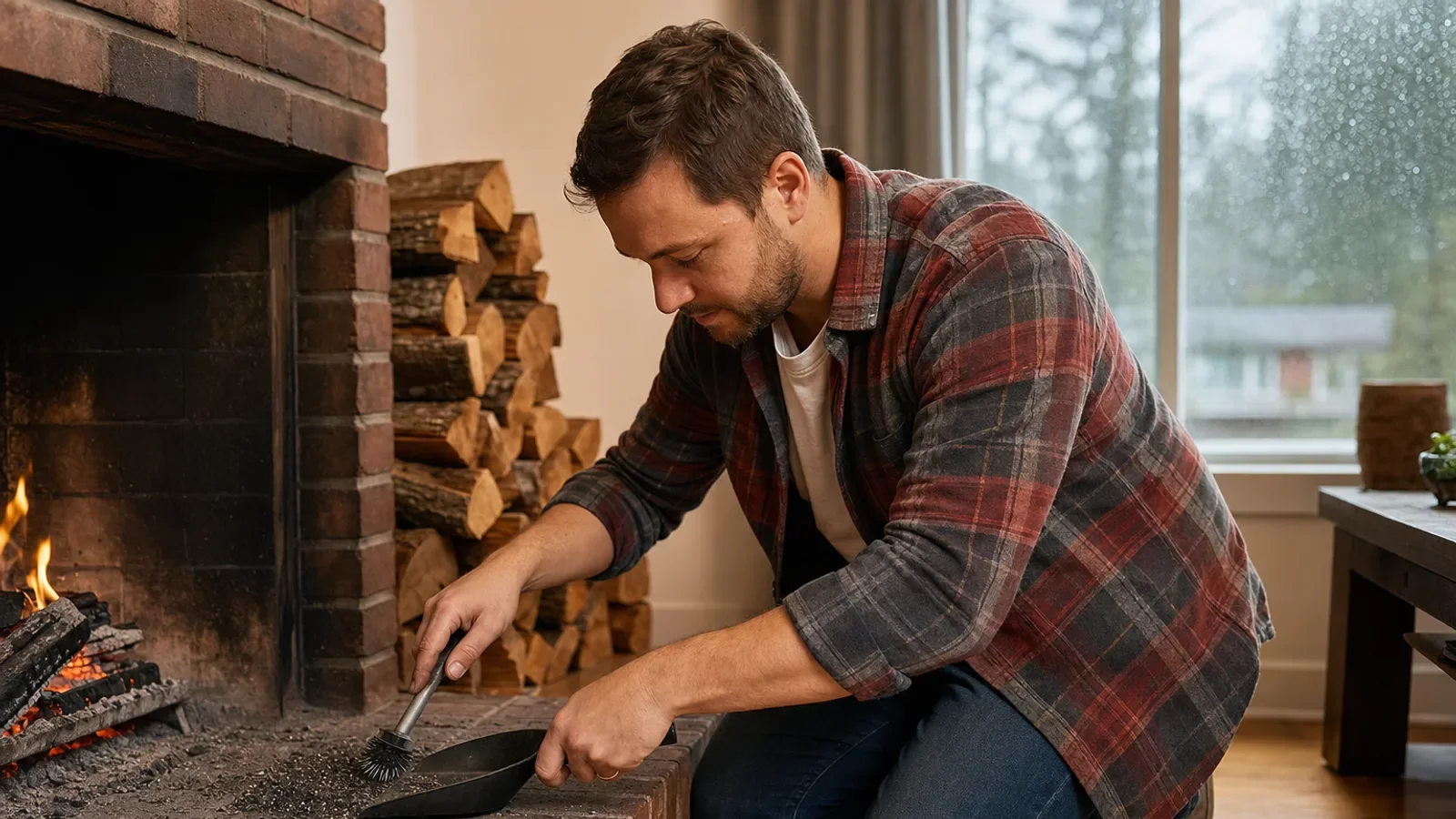
At the center of this shift is a renewed emphasis on proactive chimney cleaning. Cleaning has always been essential, but the way we scope, document, and follow up has changed. High-efficiency vacuums, smarter brushes, and digital inspection tools give clearer insight into what is happening inside your flue. The payoff is a maintenance plan based on real observations, not guesswork, which fits the way Seattleites like to make decisions about their homes.
Digital Inspections and Visual Storytelling
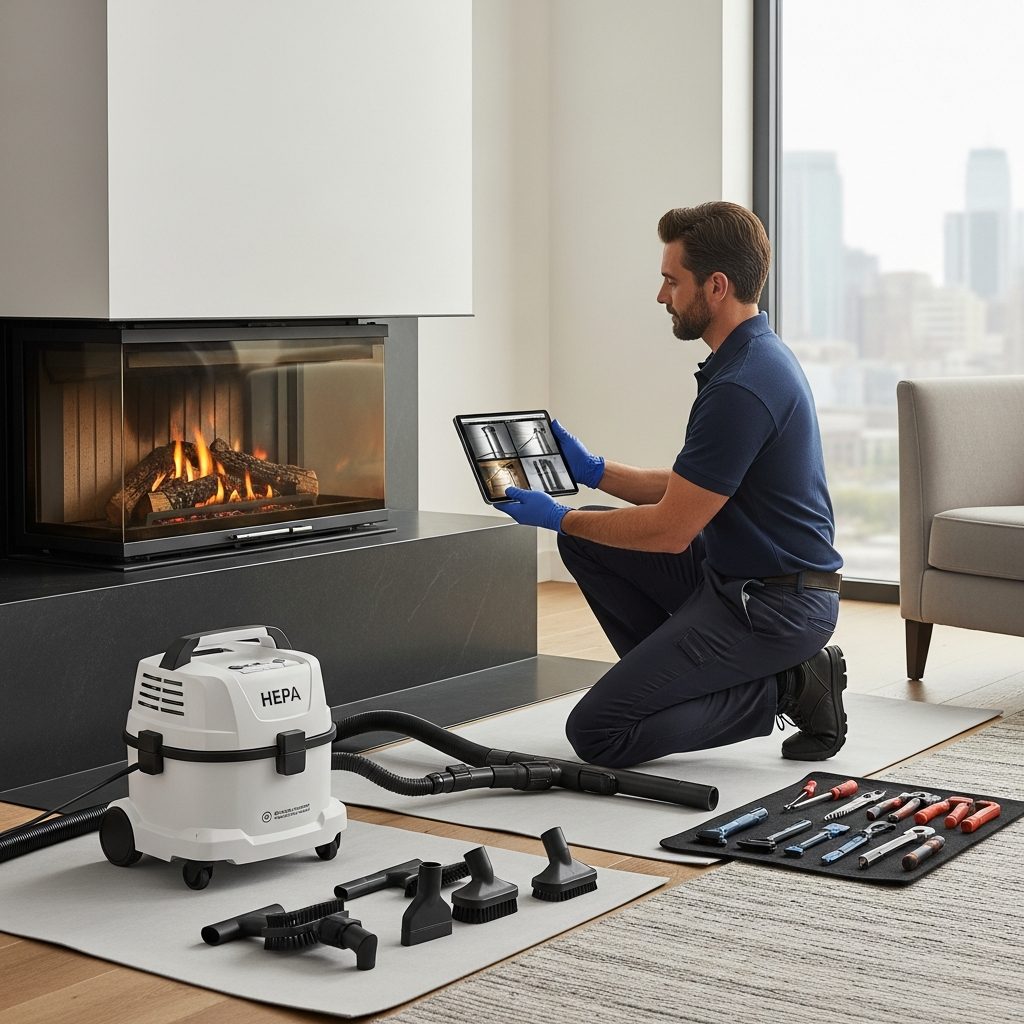
One of the most visible trends is the move toward camera-assisted inspections paired with photo documentation. In a city where many homes have complicated histories—repairs layered over remodels across decades—seeing the interior of a flue is invaluable. Images reveal subtle patterns: smooth soot that points to good combustion, shiny patches that hint at cooler burns, or hairline mortar issues that would be invisible from the hearth. Homeowners appreciate the transparency, and the documentation becomes a living record that informs future service decisions.
For sellers and buyers, this visual record has become a quiet force in real estate negotiations. Rather than vague descriptions, a report includes clear images and notes that help everyone understand the system’s condition. That clarity mirrors the broader Seattle preference for data-backed decisions and reduces the stress that often surrounds older fireplaces.
Cleaner, Quieter Worksites
Another meaningful change is how much cleaner appointments have become. Advanced containment systems with HEPA filtration capture fine particulates before they drift into living spaces. Pros arrive with floor-to-ceiling coverings, targeted suction, and flexible tools that adapt to older, eccentric flues common in neighborhoods like Ballard or Capitol Hill. The result is a visit that feels more like a surgical tune-up than a messy project, which is especially important in condos and townhomes where space is tight and neighbors are close.
Homeowners with allergy concerns or sensitive indoor air appreciate this shift. When the vacuum workhorse hums along and the dust never leaves the sealed path, you feel the difference immediately. Cleanliness is not just an outcome in the flue but an experience in the room.
Moisture Management as a Core Strategy
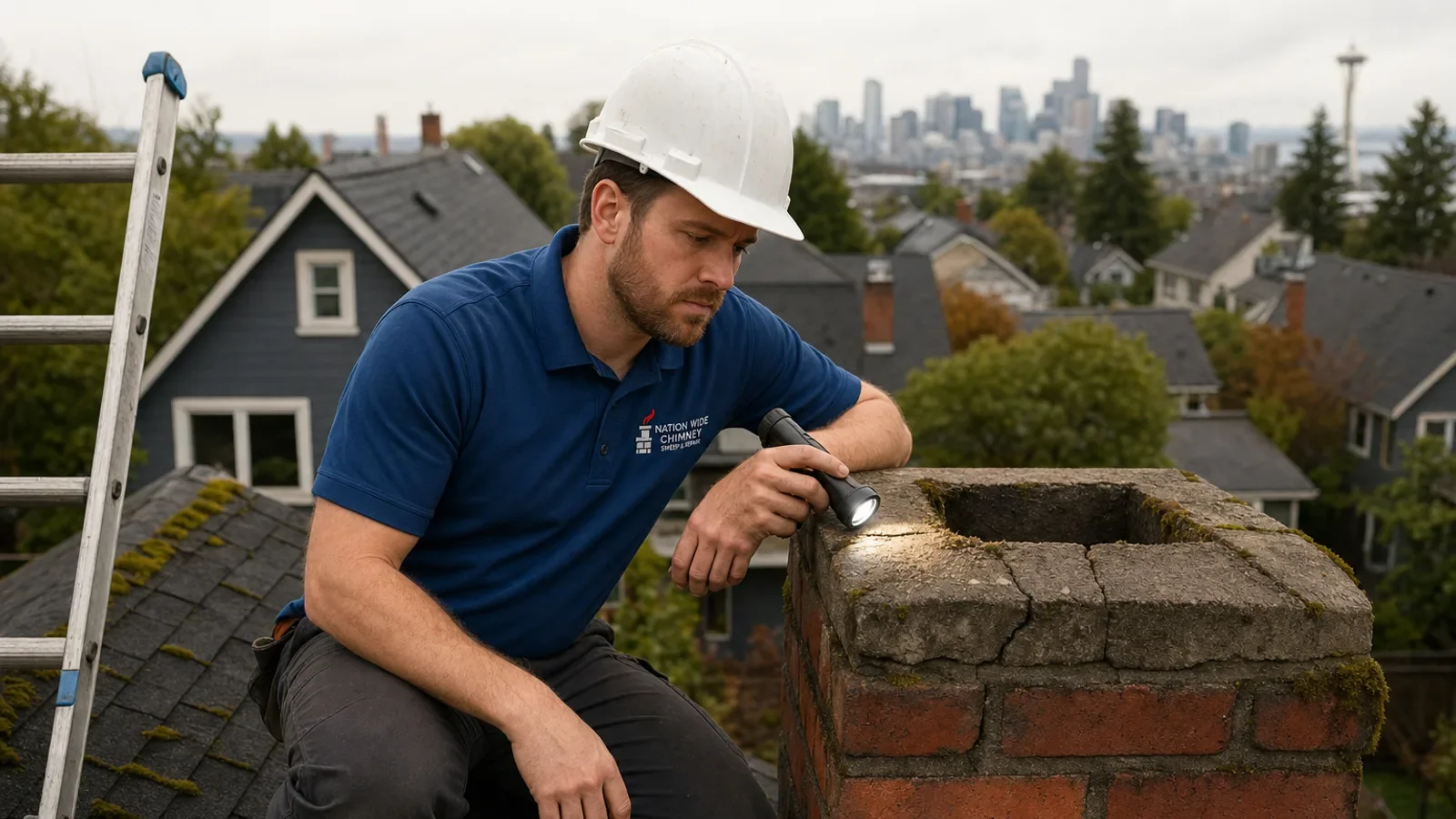
Seattle’s wet winters have always tested chimneys, but pros now treat moisture as a primary design force. During cleaning, technicians assess crowns, caps, flashing, and brick absorption with the same seriousness as soot removal. The trend is toward small, preventive improvements—resealing crowns before cracks widen, upgrading caps to thwart wind-driven rain, and recommending breathable water repellents for thirsty masonry. These steps are not glamorous, yet they reshape how long chimneys last and how they smell on rainy days.
For homes near the Sound where wind funnels through corridors in Magnolia or Alki, selecting the right cap makes an outsized difference. Today’s options are better at shedding rain while stabilizing draft. Paired with a clean flue, they deliver the steady performance that used to feel elusive on stormy nights.
Data-Driven Service Intervals
Another trend is customizing service intervals based on actual use and deposit types. Rather than an automatic annual appointment for everyone, pros review photos, note deposit characteristics, and match cadence to your habits. A family burning seasoned hardwoods on weekends may be comfortable with a longer interval, while a daily wood stove user in a drafty Craftsman might benefit from midseason touch-ups. This tailored approach respects both budgets and realities while keeping safety at the forefront.
Gas appliances are folded into the same rhythm but with different checkpoints: clean sensors, verify vent integrity, and confirm flame quality. The headline is the same—evidence leads—but the details reflect how each system lives.
Eco-Focused Tools and Practices
Seattle homeowners often ask about environmental impact, and the industry has responded. HEPA-standard vacuums, low-dust brushes, and smart containment minimize indoor particulates. Waste handling is more conscientious, and recommendations lean into practices that reduce future buildup: real seasoning times, better airflow in storage, and evidence-based advice about starting and throttling fires. Fewer residues mean fewer visits and cleaner burns, a win for comfort and the environment alike.
Inside the home, the experience is also quieter. Modern equipment hums rather than roars, which matters in tight spaces and during remote work hours. The process has been shaped by how we live now, without sacrificing results.
Integration With Smart Home Habits
While fireplaces are an old technology, their care is syncing with contemporary routines. Homeowners schedule visits via apps, receive photo reports in the cloud, and set reminders based on actual use rather than the calendar alone. The language is practical: here are the images, here is what they mean, and here is the suggested interval based on deposit type and moisture exposure. That transparency turns what used to be a once-a-year mystery into a manageable, well-understood task.
Busy families in neighborhoods like Green Lake and Wallingford appreciate being able to handle everything simply, without losing the thread of what was found last year or what should be checked next time. The system’s story is always at hand.
Attention to Draft and Pressure Dynamics
Seattle’s topography and weather create quirky pressure zones around homes. Hillsides, tall neighboring buildings, and greenbelts can produce swirls and downdrafts. A current trend is to treat these dynamics with the same diagnostic rigor as soot. During cleaning, pros note where turbulence might form, how tight your home’s envelope is after window upgrades, and whether kitchen and bath fans are stealing makeup air. The fix is sometimes as simple as a slight change in start-up routine, and other times it involves a cap upgrade, flue extension, or top-sealing damper to stabilize behavior.
Paired with a clean flue, these adjustments turn “temperamental” fireplaces into dependable ones. The difference shows up the next time a storm sweeps through and your fire still lights easily and stays smoke-free.
Neighborhood-Specific Knowledge
Local experience matters. In older brick-heavy areas like Queen Anne and Capitol Hill, masonry absorption and crown wear are recurring themes. In newer townhome clusters around Ballard and Fremont, venting for gas inserts and shared rooflines present specific access and downdraft challenges. Technicians who clean across the city learn these patterns and bring that context to each appointment. Cleaning becomes both a technical service and a translation of neighborhood history into practical guidance.
That translation helps homeowners make smarter choices. Should you consider a liner upgrade, or will targeted repairs suffice? Is your cap working against a wind pattern unique to your street? The answers often live in local nuance, illuminated during a thorough cleaning and inspection.
Comfort Without Complication
The biggest trend might be cultural: a push toward making hearth ownership effortless. With predictable schedules, visual reports, and quieter, cleaner visits, maintenance no longer feels like a chore you endure. Instead, it is a small, well-planned part of home care that keeps the best parts of winter—cozy nights, holiday gatherings, quiet mornings with coffee—front and center. The system fades into the background because it simply works.
When you do need to make a decision, it is grounded in images and straightforward explanations. You see what we see, and the path forward makes sense. In a city that values clarity, that alignment feels right.
Where the Trends Lead Next
Looking ahead, expect even more emphasis on moisture control and draft stabilization as climate patterns continue to bring intense rain events and blustery winds. Camera technology will sharpen further, and reports will grow more interactive. But the core remains unchanged: remove residues, confirm structural integrity, and make small preventive moves before problems escalate. In Seattle, where weather and architecture meet in complex ways, that steady, evolving approach is the quiet hero of comfortable homes.
For homeowners, the takeaway is simple. Embrace these updates not for novelty’s sake but because they deliver tangible results—cleaner air, smoother fires, and fewer surprises. The fireplace remains the heart of many Seattle homes; new methods simply help it beat more steadily.
Frequently Asked Questions
Do camera inspections replace traditional cleaning?
No. Cameras enhance cleaning by showing what you cannot see from the firebox or roof. They guide attention to trouble spots and document results, but brushing and vacuuming remain the foundation of maintenance.
Are the new tools safe for older chimneys?
Yes. Modern brushes and rotary systems are selected for the flue type and condition. The goal is to remove residue without stressing masonry or liners. Part of the trend is matching tools to each unique system rather than using a one-size-fits-all approach.
Will these trends make visits take longer?
Often the opposite. Cleaner setups and targeted work streamline the process. The report adds a few minutes, but it saves time later because you and your technician share a clear understanding of what was found.
How do these changes help with Seattle’s rain-driven odors?
By pairing residue removal with moisture management. Better caps, sealed crowns, and attention to flashing reduce the damp conditions that amplify odors. A clean, dry system is a neutral-smelling system.
Are gas fireplaces included in these trends?
Absolutely. Photos verify vent condition and flame quality, quieter equipment keeps visits discreet, and data-driven intervals reduce nuisance shutdowns. The same emphasis on clarity and prevention applies.
What can I expect to receive after an appointment?
Typically, a concise photo report with notes about deposits, masonry condition, and recommended intervals. You will know exactly what was done and why any follow-ups are suggested.
Ready to Experience the New Standard?
If you want the benefits of modern methods—clearer reports, cleaner homes, and steadier performance—schedule professional chimney cleaning and see how today’s tools and practices make Seattle hearths easier to own and enjoy.