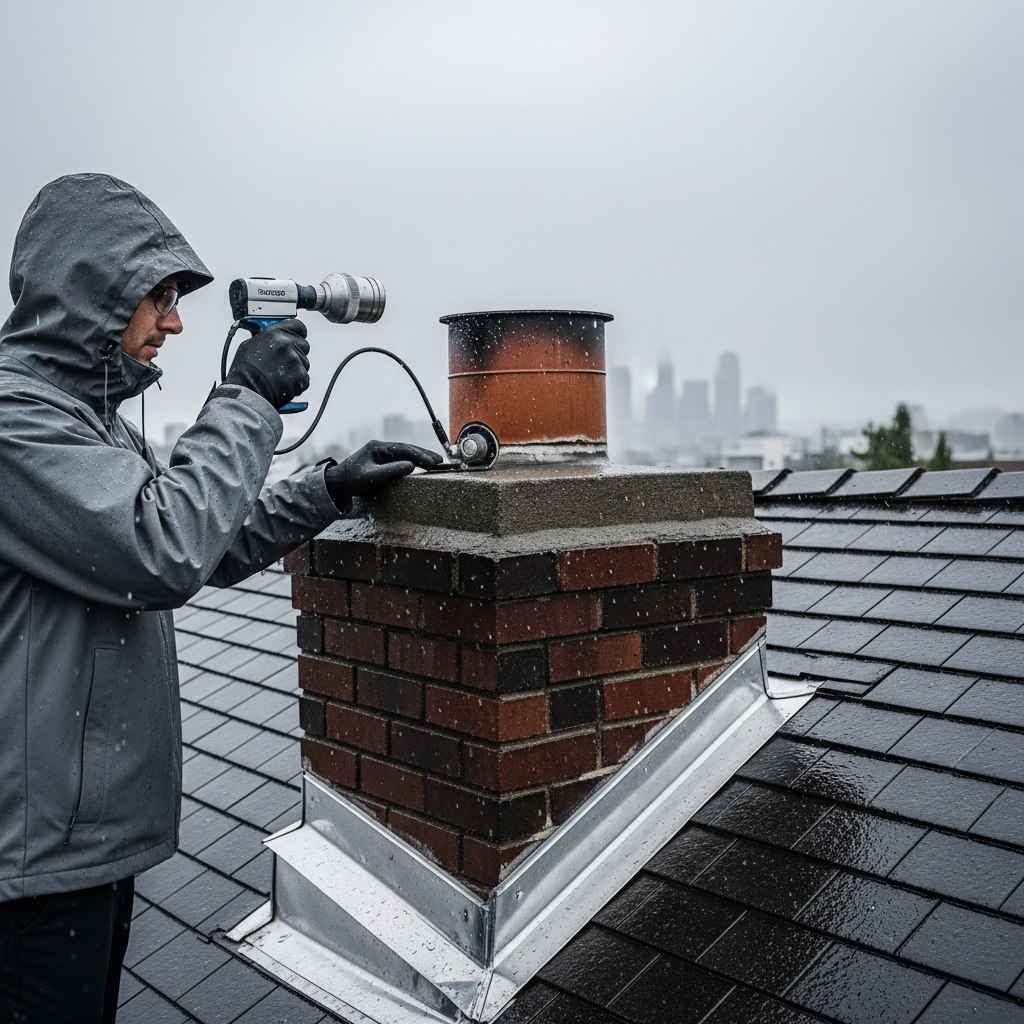
Seattle’s Weather and the Working Chimney
Ask any longtime Seattle resident and they will tell you that a good fireplace or stove becomes a companion during our wet, gray months. Yet the same factors that make a fire appealing—persistent drizzle, cool marine air, and blustery storms—also complicate what happens inside a chimney. Soot and creosote thicken in damp conditions, masonry sees more water than in drier regions, and coastal winds test draft on the worst days. That is why, here more than many places, keeping the system clean is not a luxury; it is part of living comfortably and safely at home.
At the top of the list, regular chimney cleaning strips away combustible deposits that accumulate when wood gases cool too quickly. Those sticky, sometimes glassy layers are the ignition source for many flue fires. In a city where wood quality varies and back-to-back storms can force you to build cooler, smaller fires, that risk rises if the system is neglected. Cleaning resets the baseline, restoring the clear, smooth pathway that encourages reliable draft and steady, smoke-free flames.
Essential for Safety: Limiting the Unexpected
“Essential” is a strong word, but it fits because the consequences of avoidance can be serious. Creosote ignition is sudden, loud, and frightening, and even brief events can mortar-crack liners or warp metal components. By removing the very fuel that makes such an event possible, you dramatically lower the odds. Importantly, cleaning also exposes early warnings, like gaps in mortar, split tiles, or a damper that no longer seals. These are small problems when found early and increasingly costly and disruptive if they are not.
For homes near the water in Magnolia, Alki, and Leschi, salt-laden air and higher winds add a layer of stress to exposed components. A good cleaning visit includes an eye on those parts—caps, crowns, top-sealing dampers—that bear the brunt of the elements. When they are sound, you gain not just safety but also quiet confidence that your system will behave when you most want to enjoy it.
Essential for Efficiency: Better Draft, Better Heat
Seattle’s winter is more about damp chill than arctic cold, which means the psychological comfort of a bright, lively fire counts for a lot. Clean chimneys draft more eagerly. The initial column of warm air forms quickly, smoke goes where it should, and heat radiates instead of slipping up the flue with wasted potential. If you have ever lit a fire and watched it struggle to catch while a ribbon of smoke curled into the room, you have felt the drag of residue and roughened flue walls. Cleaning removes that drag and restores the satisfying, immediate response that makes an evening at home feel special.
Insert and gas log owners see benefits too. Although these appliances do not create creosote in the same way as a wood-burning system, they do rely on unobstructed vents and clean sensors. Dust, pet hair, and spider webs can mislead safety circuits and cause intermittent shutdowns. Routine attention keeps everything within design parameters, which means fewer interruptions and a fireplace that simply works when you want it to.
Essential for Indoor Air and Neighborhood Harmony
On still nights, especially during temperature inversions common in our region, smoke that slips into the room or escapes at the roofline can linger. Indoors, even small amounts are bothersome; they deposit films on windows, create odors in fabrics, and cause discomfort for sensitive family members. Neighbors feel it too on calm evenings when smoke tends to hug the ground. Clean chimneys, paired with good burning habits, noticeably reduce these effects. The result is a hearth you enjoy without worrying about its footprint on indoor air or the block’s evening air quality.
A related Seattle reality is moisture-driven odor. The mix of rain, wind, and occasional warm fronts can push damp air down chimneys and wake up smells that would be milder elsewhere. Removing old soot, confirming damper fit, and ensuring a properly meshed cap go a long way toward keeping the living room fresh between fires. If you have ever come home to a faintly acrid fireplace smell after a windy storm, you know how much this matters.
Seattle’s Building Stock: Vintage Charm, Hidden Needs
Part of Seattle’s allure is its architectural diversity, from early twentieth-century brick homes in Queen Anne and Capitol Hill to mid-century ranches in Wedgwood and modern townhomes in Ballard. Each era brings its own chimney quirks: unlined flues in very old houses, liner tiles that need attention in mid-century builds, and complex venting for contemporary gas systems. Cleaning is the moment when those quirks surface. The soot comes off, and the structure speaks—tiny cracks, faint white efflorescence, or a damper that does not quite sit square. Addressing what we find keeps the charm intact without inviting preventable repairs.
For hillside neighborhoods where wind funnels through greenbelts—think West Seattle and parts of Magnolia—downdrafts are a common complaint. While caps and flue height help, a clean, low-friction flue also resists backpuffing by encouraging steady upward movement. The combination of proper hardware and cleanliness solves more draft riddle than either measure alone.
Midseason Matters: Why Consistency Pays Off
Many homeowners schedule service right before the holidays, and that is wise. But there is another angle: midseason reliability. In January and February, when storms roll in from the Pacific and rainfall seems unending, you will feel the difference between a marginal and a well-tuned system. This is where regular chimney cleaning shows its worth. With a clear flue, you can start a small, efficient fire to take the damp out of the air without it smoking the room or stalling. That makes weeknights cozier and weekends easier.
For wood stoves used as primary or significant supplemental heat, especially in homes farther from city center where power outages are less rare, predictable function is peace of mind. Clean systems hold their own during gusty weather and keep glass clearer, a satisfying visible cue that combustion is complete and efficient.
Preserving Masonry Against Relentless Moisture
Water is the quiet force that damages chimneys over time. It creeps into cracked crowns, sneaks past tired flashing, and soaks into porous brick, then expands and contracts with temperature swings. Cleaning is the opportunity to spot the earliest signs: hairline crown fissures, mortar that crumbles at a touch, or a faint pattern of white mineral salts on the brick face. These observations translate into small, targeted maintenance that lengthens the life of the structure and prevents interior leaks that show up as stains or peeling paint near the fireplace.
For Seattle’s mixed rooflines—steep pitches in older homes, flat or low-slope sections in modern builds—water management around the chimney is especially important. A careful look during service confirms that counterflashing and step flashing still shed water properly and that debris is not creating tiny dams where it should not. When water goes where it belongs, everything else gets easier.
Documentation, Insurance, and Real Estate Calm
Another reason cleaning is essential is not mechanical at all; it is administrative. In a competitive market, well-kept records differentiate a listing and reassure buyers. If you ever face an insurance claim related to the fireplace or chimney, evidence of routine professional attention goes a long way toward smooth resolution. Rather than scrambling to piece together a story under stress, you will already have one ready: your system is cared for on a sensible schedule, and concerns are addressed promptly.
Even if you have no plans to sell, that sense of order pays dividends. Homeownership in our city comes with enough moving parts. Turning the fireplace from a question mark into a known quantity lightens the overall load.
What Homeowners Can Do Between Visits
While the deep work belongs to professionals with the right tools and containment, homeowners contribute mightily by managing fuel and airflow. Store wood where it can actually dry—good sun and cross-breezes beat a tight, shaded pile every time—and resist the temptation to burn scraps or wet rounds. Inside, open the damper fully at startup and let a coal bed establish before throttling down. These small habits do not replace cleaning, but they make each visit more effective and extend the interval before performance declines.
For gas units, keep dust away from intake grilles and quietly observe flame patterns. Flames that suddenly turn lazy or yellow often signal a need for service. When in doubt, err on the side of attention; tiny issues solved early are the least expensive energy you will ever spend on home comfort.
The Emotional Case for Doing It Right
Homes are for living, not for fretting over the mechanics of a flue. When the system is clean and predictable, you get to enjoy the ritual—the first match on a Saturday morning, the glow during a rainstorm, the hush that falls over the room when flames settle in. You stop second-guessing whether smoke will behave, whether a smell will linger, whether a surprise will pop up the next time a storm tests the roof. That freedom is hard to quantify, but once you have it, you will not want to give it up.
In a region that asks a lot of its chimneys, that peace of mind is earned, not chanced. A small commitment to cleanliness yields outsize comfort.
Frequently Asked Questions
How frequently should Seattle homeowners schedule cleaning?
For regular wood-burning households, once a year is a strong baseline. Heavier users benefit from a midseason check, while occasional users might stretch their interval depending on what an inspection shows. Our moist climate tends to favor consistent attention even for lighter use.
Do gas fireplaces need cleaning?
Yes, though the goal is different. You are not chasing creosote so much as maintaining clear vents, reliable sensors, and proper flame characteristics. Dust and debris are the typical culprits behind nuisance shutdowns, and cleaning prevents those surprises.
What warning signs point to immediate service?
Smoke rolling into the room at startup, strong odors after rain, unusual noises from the flue, stains on walls near the chimney, or a damper that no longer fully opens are all signals to schedule an evaluation sooner rather than later.
Will cleaning address smokiness and odors?
Often yes. Removing residue reduces odor sources and restores draft. During the same visit, the technician can verify damper fit, cap function, and the presence of any moisture pathways that make smells worse in wet weather.
Is there a best season for cleaning in Seattle?
Spring and early fall are both excellent. Spring captures fresh observations from the heating season and puts you in position for summer masonry work if needed. Fall provides maximum confidence ahead of holidays and storms. The right season is the one you will reliably keep.
What about older, unlined chimneys?
They merit special attention. Cleaning reveals how the system has aged and whether a liner upgrade or targeted repairs would improve safety and performance. Many vintage chimneys serve beautifully once they are clean and paired with the right improvements.
Take the Next Step Toward Safe, Comfortable Evenings
If you want a fireplace that performs beautifully through Seattle’s wet season, schedule professional chimney cleaning today. You will enjoy easier starts, cleaner air, and the kind of effortless comfort that makes our rainy nights something to look forward to.