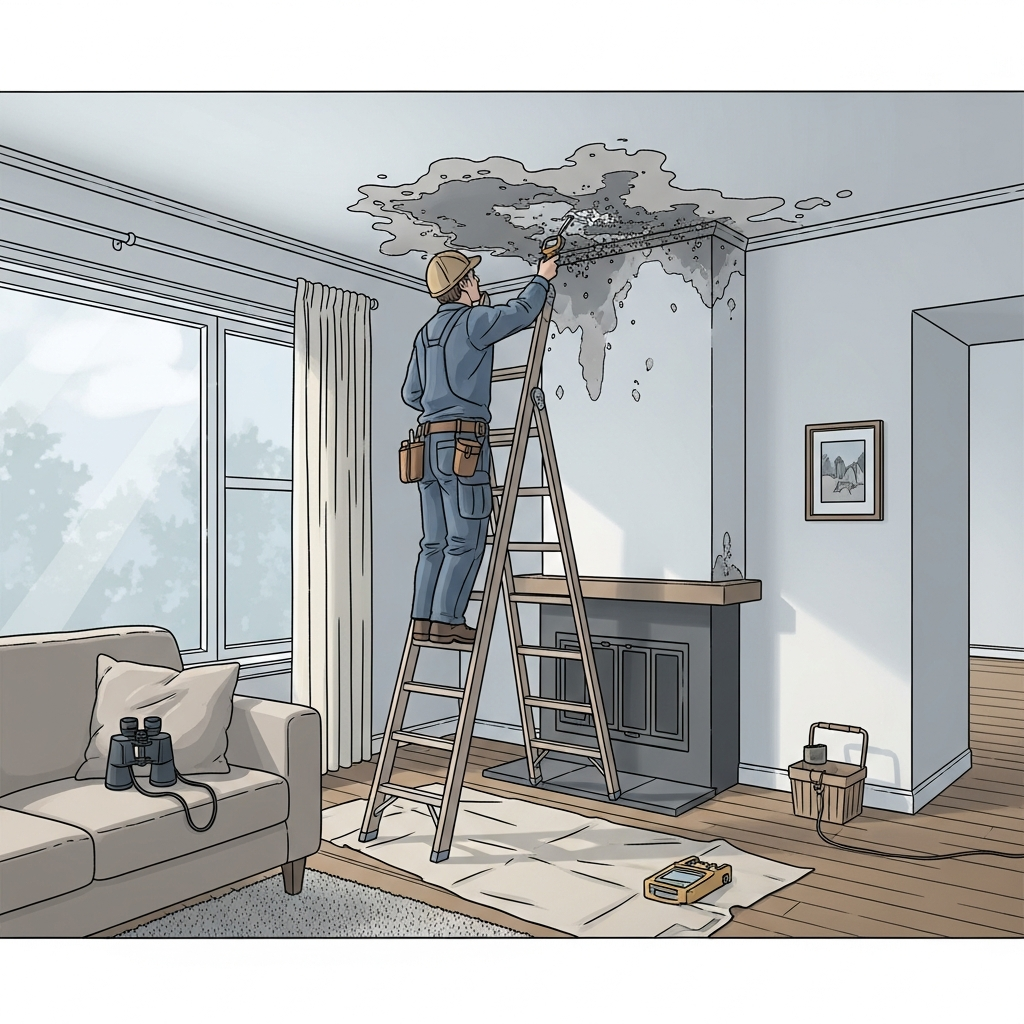
When the first atmospheric river of the season barrels into Seattle, it does not just soak the yard and rattle the windows; it stress-tests every inch of your roofline and chimney. Heavy, wind-driven rain finds gaps you did not know existed, and by morning you might notice a faint stain at the ceiling near the chimney or a musty odor that was not there the day before. Masonry is resilient, but it is not impervious. Brick and mortar are designed to manage moisture, and when a chimney leak appears after a storm, the goal is twofold: stop the active entry and correct the underlying pathway so it does not return. In this city, the difference between a quick patch and a lasting fix is understanding how water actually moves during our storms. If you are starting to research chimney repair for post-rain leaks, here is a Seattle-informed guide to getting from discovery to dry.
Why wind-driven rain is different
Most leaks are not a simple vertical pour through an obvious hole; they are a combination of lateral spray, capillary action, and runoff that backs up where it should flow away. Our storms blow rain sideways, pushing water under caps, up flashing steps, and against the north faces of chimneys that stay damp for days. Even tiny gaps that look harmless in dry weather can admit water when wind pressure is high. A successful repair responds to this reality with details that break water’s momentum, redirect it cleanly, and let masonry dry swiftly between rains.
Common leak sources at the top
Start at the top, because water often does. A cracked or under-sloped crown can hold water long enough for it to seep into hairline fissures and wick down into the top course of brick. A missing or undersized cap lets rain fall directly into the flue and splash onto the crown. Caps that do not project far enough over the crown invite drip-back under the lip during wind. Each of these conditions concentrates water where the chimney is least forgiving. Correcting them with a properly cast crown, a cap that truly shields the top, and flexible joints around flues eliminates a surprising number of leaks.
Flashing and roof intersections
Where the chimney meets the roof, flashing and counterflashing must be integrated tightly into both the masonry and the roofing system. In Seattle, flashing failures are common because repeated wetting and drying loosen sealants or because roofing changes altered water flow without adjusting chimney details. On the uphill side of wider chimneys, a small rooflet—called a cricket—often makes the difference between water ponding and water moving. When inspecting after heavy rain, we look for stains or moss growth patterns that hint at how water lingers. Addressing the geometry, not just the sealant, is how you solve the problem for good.
Masonry joints and absorption
Open mortar joints and hairline cracks in brick faces are like invitations for wind-driven rain. The north and west faces of chimneys in Seattle often show more wear because storms come from those directions. Repointing with the right mortar blend, matched to the age and hardness of your brick, restores the surface and closes pathways where water otherwise wicks in. Follow that with a breathable, vapor-permeable water repellent when appropriate, and you reduce liquid absorption while still allowing trapped moisture to escape. This combination helps the chimney stay drier between storms.
Interior signs that tell an exterior story
Inside, the earliest hints of a leak show up as a shadow on the ceiling near the chimney chase, a faint bubble in paint by the mantle, or that unmistakable damp-earth smell after a long rain. These clues do not always point exactly to the leak’s origin, but they are valuable; they show timing and magnitude. If the stain appears only after wind from the southwest, that narrows possibilities. If it worsens with multi-day rains but not quick showers, absorption may be at play more than a discrete hole. A good technician will listen to the story of when and how you notice symptoms—it is as important as what they see from the roof.
Diagnostics that go beyond guesswork
Diagnosing leaks is part art, part science. We combine roof-level inspection with moisture readings, close-up photography, and sometimes controlled water testing to trace the flow. The goal is to replicate storm conditions carefully, one variable at a time, without soaking the house. We start at the lowest suspect area—often flashing—and work upward, or vice versa depending on the evidence. Seattle’s complexity rewards patience; when you find the true pathway, the repair becomes logical and durable.
Repair strategies that last
Once the source is clear, the solution follows a consistent logic. At the top, rebuild or coat crowns properly, with adequate slope, thickness, and a crisp drip edge that breaks surface tension. Choose or upgrade the cap to ensure coverage over the crown and sufficient side protection from lateral rain. At the roofline, integrate new flashing with the roofing system rather than relying on surface sealants, and add a cricket where water pools uphill. On the masonry, repoint open joints with mortar compatible with your brick and consider a breathable repellent when the surface is sound.
Timing repairs around Seattle’s seasons
Some leak repairs can proceed in wet weather with good protection—especially flashing work tied to roofing—but many masonry tasks benefit from drier windows. Casting crowns, performing broad repointing, and applying repellents are all happier on dry, mild days. That said, temporary protections can buy time during the heart of the rainy season so permanent work can happen during a favorable stretch. A practical plan balances immediate containment with long-term fixes.
Working with older brick and mortar
In neighborhoods with early 20th-century homes, the brick is often softer and pairs best with lime-rich mortar. Using too-hard a mix for repointing can shift stresses into the brick itself, causing spalls later. Matching the original mortar’s feel and color also preserves the character of the chimney while closing water pathways. A thoughtful approach respects both heritage and performance.
What to expect after the repair
When repairs align with the true cause, results are noticeable the next time a big storm rolls in. You should see water shedding cleanly off the crown, no staining down the sides, and a quiet, dry ceiling inside. If a breathable repellent was used, the masonry will darken less during rain and dry more quickly afterward. Over weeks, lingering odors fade as materials cure and moisture pathways are sealed. It is a calm, reassuring change during our wet months.
Midway through problem-solving, many homeowners want a sounding board before committing to a plan, especially if two proposals recommend different approaches. This is a great moment to consult with seasoned Seattle-based chimney repair professionals who can walk the roof with you—figuratively or through photos—and explain how each step addresses a specific leak pathway.
Preventive habits that pay off
Trim branches that shade the chimney and drop debris on the cap. After major storms, take a quick ground-level look at the top; binoculars help you spot a shifted cap screen or unusual staining. Keep gutters and nearby valleys clear so water does not back up against the chimney. If you burn wood, schedule regular cleanings; creosote and moisture are unhelpful companions that complicate leak diagnosis and accelerate wear. Small, consistent attention preserves the gains you make with repairs.
Frequently Asked Questions
Why did my chimney start leaking only after a windstorm?
Wind-driven rain forces water laterally into tiny openings that stay dry during gentle showers. It can also push rain up under caps and along flashing seams. If your leak is tied to specific wind directions, that pattern helps pinpoint whether the source is the crown, cap, or roof intersection.
Can I just seal the outside of the chimney to stop leaks?
A breathable water repellent can be part of a solution, but it is not a cure for structural issues like a cracked crown or failed flashing. In Seattle, where storms are persistent, sealing over a defect often delays the inevitable. Fix the cause first, then use repellents to reduce absorption.
How do I know if the leak is from the flue or the exterior masonry?
Clues include where staining appears and what triggers it. Rain-only leaks that worsen during wind often trace to crowns, caps, or flashing. Odors or stains after burning may point to condensation or flue issues. A camera inspection and targeted water testing help distinguish between the two.
Is a chimney cricket necessary?
On the uphill side of wider chimneys, a cricket can be essential. It divides and redirects water around the stack rather than allowing it to pool. In heavy Seattle rains, that small roof feature prevents chronic wetting at the base where flashing meets brick.
Will repairs change the look of my chimney?
Thoughtful repairs enhance appearance by cleaning lines and improving detailing at the top. Repointing with matched mortar blends well with existing brick, and a properly cast crown with a neat drip edge looks crisp and intentional. The goal is performance with a look that belongs on your home.
How quickly should I act after seeing a leak?
Soons better, because moisture can migrate into framing and finishes. That said, a calm, methodical diagnosis is more effective than hasty patching. Temporary protections can stabilize the situation while a permanent, weather-appropriate plan is scheduled for a dry window.
Ready to get your chimney dry and keep it that way?
If heavy rain just exposed a weakness in your chimney, there is a clear path from discovery to durable repair. Partner with local specialists who diagnose carefully, prioritize water management, and execute details that stand up to our storms. Start the process with experienced chimney repair professionals who understand Seattle’s weather patterns, and enjoy the relief of a tidy, quiet, and dry chimney all season long.